Houthi Strikes on Saudi Oil Hubs Ignite Regional Tension as Tehran Markets Retreat from Recent Highs
حملات حوثیها به تأسیسات نفتی عربستان؛ عقبنشینی قیمتها در بازار تهران در سایه تنشهای منطقهای
Yemen's Houthi rebels have launched fresh attacks on Saudi oil facilities, while massive protests paralyze France, creating a volatile backdrop for global markets. In Tehran, prices for USD and gold have entered a corrective phase despite the regional escalation.
At time of publishing
USD
268,100
Toman
Gold 18K
25.86M
Toman / gram
Bitcoin
$80,332
US Dollar
Tether
267,957
Toman
Regional Escalation: Houthi Strikes and the Rhetoric of Resistance
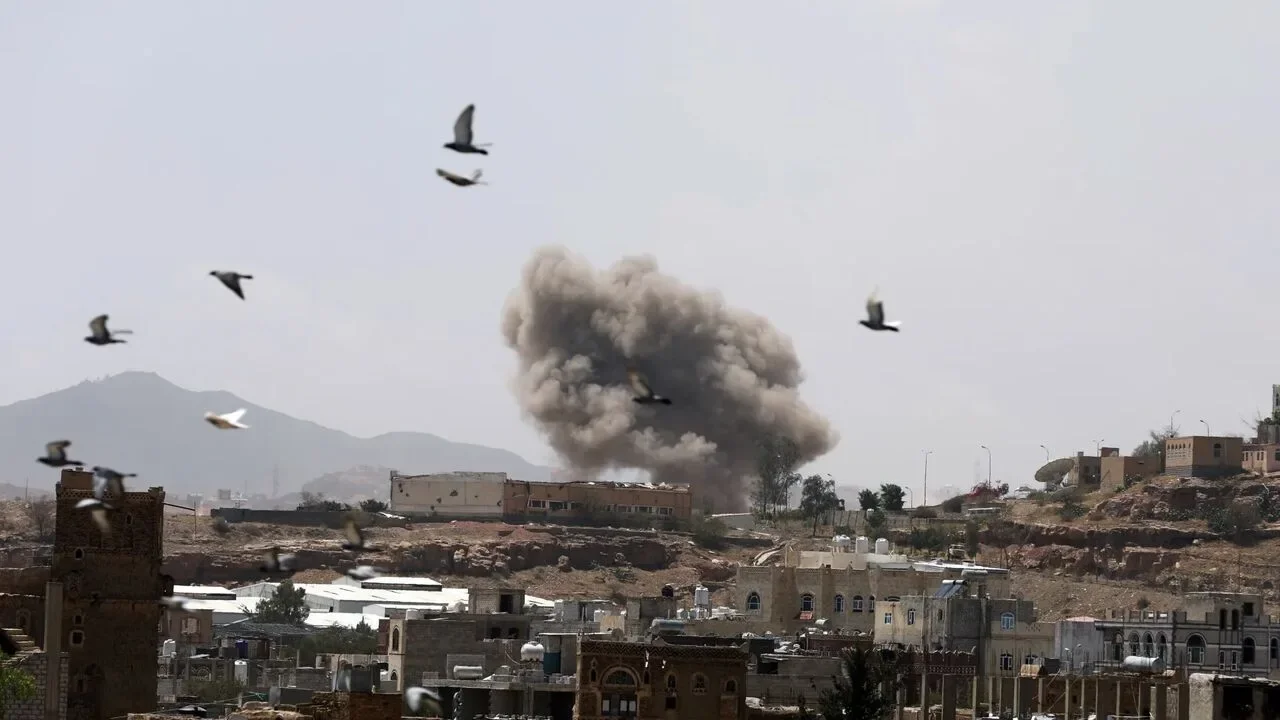
The geopolitical landscape of the Middle East has shifted once again as Yemen’s Iran-allied Houthi rebels claimed responsibility for a series of sophisticated attacks targeting Saudi Arabian oil facilities and airports on Saturday. According to reports from the region, the group utilized ballistic missiles and drones to strike at the heart of the Saudi energy infrastructure, while the Saudi-backed Yemeni government confirmed that at least three ballistic missiles were directed at coast guard installations in the critical port city of Aden. This escalation follows a stern warning from the Foreign Ministry in Sana'a, which stated that the "massacre of Yemeni people" by Saudi-led forces would not deter them from reclaiming their sovereign rights. This renewed friction in the Red Sea and across the Arabian Peninsula threatens to disrupt maritime security at a time when global energy supplies are already under intense scrutiny.
For Iranian observers, these developments carry significant weight beyond mere headlines. Typically, such regional instability triggers a flight to safety, driving up the value of the US Dollar and gold in Tehran. However, the current market response suggests a complex interplay of factors. While the IRGC and Tehran’s official channels continue to support the narrative of resistance, the economic reality on the ground is showing signs of exhaustion. Iran’s active participation in the Gas Exporting Countries Forum (GECF), as highlighted by Ambassador Kazem Jalali in Moscow, underscores a parallel strategy of energy diplomacy aimed at strengthening multilateralism. This suggests that while regional proxies engage in kinetic conflict, the central government is attempting to leverage its energy position to stabilize its standing on the world stage, even as the shadow of sanctions remains ever-present.
France in Turmoil: A Prelude to Global Economic Frustration
While the Middle East grapples with military conflict, Europe is facing a different kind of war—one of social and political stability. On Saturday, hundreds of thousands of protesters took to the streets across France in a massive show of defiance against President Emmanuel Macron’s government. Estimates suggest that at least 400,000 people participated, though trade unions claim the number is closer to 800,000. The protests, which were initially sparked by demands for better school funding and teacher repairs, have morphed into a broader movement against the high cost of living and heavy-handed policing. In Paris and Marseille, the atmosphere turned volatile by evening, with riot police deploying tear gas and water cannons to disperse crowds who feel the government has abandoned political solutions in favor of force.
This domestic crisis in France is part of a larger trend across the Eurozone, with similar protests reported in Italy, Spain, and Albania. For the global economy, this unrest signals a deep-seated frustration with inflation and the erosion of the middle class. As Macron enters the final months of his presidency, his inability to calm the streets is weakening the Euro and creating a ripple effect in global currency markets. Iranian traders often look to European stability as a bellwether for global risk appetite; when Europe burns, investors tend to pull back from emerging markets and high-risk assets, potentially explaining why liquidity is tightening in the Tehran exchange houses despite the headline-grabbing events in Yemen.

Market Correction: Bitcoin Dips and Gold Retreats in Tehran
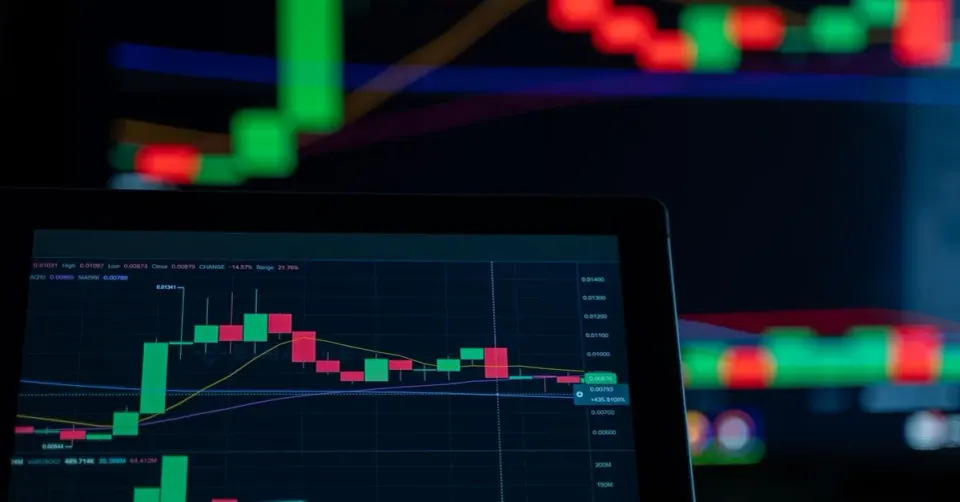
In the financial world, the euphoria of recent weeks appears to be hitting a wall. Bitcoin, the flagship cryptocurrency, briefly slipped below the $80,000 mark on Saturday, triggering a massive wave of liquidations. Data shows that crypto long positions lost over $404 million in just four hours as the market reacted to net outflows from spot Bitcoin ETFs, which lost $773 million over the past two trading days. This sudden dip suggests that the "risk-on" sentiment that propelled Bitcoin to recent heights is cooling, as investors reassess the impact of persistent inflation and geopolitical uncertainty. Despite the dip, BTC is currently trading around $80,332, clinging to a critical psychological support level.
Domestically, the Tehran market is mirroring this corrective trend. The US Dollar (USD) sell rate moved from 269,700 to 268,100, a decrease of 0.6%. Even more pronounced was the drop in the gold market, where the Emami coin fell from 274,000,000 to 267,000,000 Toman, marking a significant 2.6% decline in 24 hours. Gold 18k per gram also retreated by 2.1%, moving from 26,420,887 to 25,855,302 Toman. This correction indicates that the market had perhaps overextended itself in anticipation of a larger conflict that has yet to fully materialize. Furthermore, with nearly 40% of Americans reportedly heading toward retirement without a clear plan, the demand for stable income products like annuities is rising globally, drawing capital away from speculative assets and back into traditional, albeit lower-yielding, safety nets.
Frequently Asked Questions
Why did the price of gold and USD drop in Tehran despite the Houthi attacks?
How significant is the Bitcoin dip below $80,000?
What is the main cause of the protests in France?
How Sanctions Shape the Iran Rial–USD Exchange Rate
Exchange rates are the price of one currency expressed in terms of another, and they can be set by market forces (floating) or by government decree (fixed). When a country faces extensive international sanctions, the normal flow of foreign currency—especially hard currencies like the US dollar—can be severely disrupted, forcing the domestic currency into a state of chronic scarcity and volatility.
Iran operates a dual‑exchange system: an official rate used for essential imports and government‑controlled transactions, and a parallel market (often called the “free market” rate) where most businesses and individuals actually buy and sell dollars. Sanctions that target Iran’s oil exports—its primary source of foreign earnings—tighten the supply of dollars in both markets. Recent Houthi attacks on Saudi oil hubs have further constrained regional oil flows, reducing Iran’s ability to earn dollars through illicit or indirect oil sales and pushing the rial to depreciate faster.
To manage the shortage, authorities impose capital controls, limit foreign‑currency accounts, and sometimes intervene in the market by selling dollars at the official rate. These measures create a widening gap between the official and free‑market rates, a classic symptom of a “black‑market premium.” The resulting devaluation fuels inflation, erodes purchasing power, and makes imported goods—especially technology and medicine—significantly more expensive for ordinary Iranians.
For investors, the volatile rial translates into sharp corrections in Tehran’s stock market, as companies with dollar‑denominated debt see their balance sheets deteriorate. Some turn to alternative stores of value, such as Bitcoin, which recently surged toward $80,000, hoping to hedge against local currency risk. However, crypto assets bring their own regulatory and liquidity challenges, especially under a regime that monitors capital outflows closely.
Understanding how sanctions, oil revenue shocks, and dual‑exchange mechanisms interact helps explain the rapid swings in the USD/IRR rate and the broader economic turbulence seen across the region. It also illustrates why policymakers and investors closely watch geopolitical events—like Houthi strikes or regional protests—as they can instantly reshape currency dynamics.