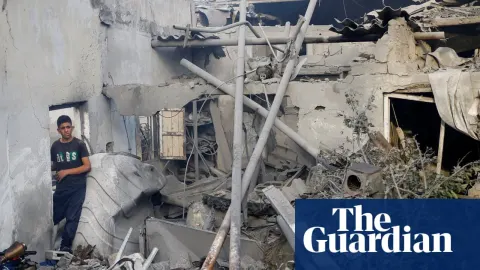
Tehran Signals 'Unimaginable' Response as Gold and Dollar Climb on Regional Tensions
هشدار قالیباف درباره پاسخ «فراتر از انتظار»؛ صعود طلا و دلار در سایه تنشهای منطقهای
Iranian Speaker Ghalibaf warns of a response exceeding enemy expectations as the country moves to high alert, pushing local gold prices up by 1.4%. Meanwhile, massive protests in France and new research on 'phoenix' company failures highlight growing global economic instability.
At time of publishing
USD
270,000
Toman
Gold 18K
26.21M
Toman / gram
Bitcoin
$80,258
US Dollar
Tether
269,651.422
Toman
Tehran Warns of 'Unimaginable' Retaliation as Markets Edge Higher
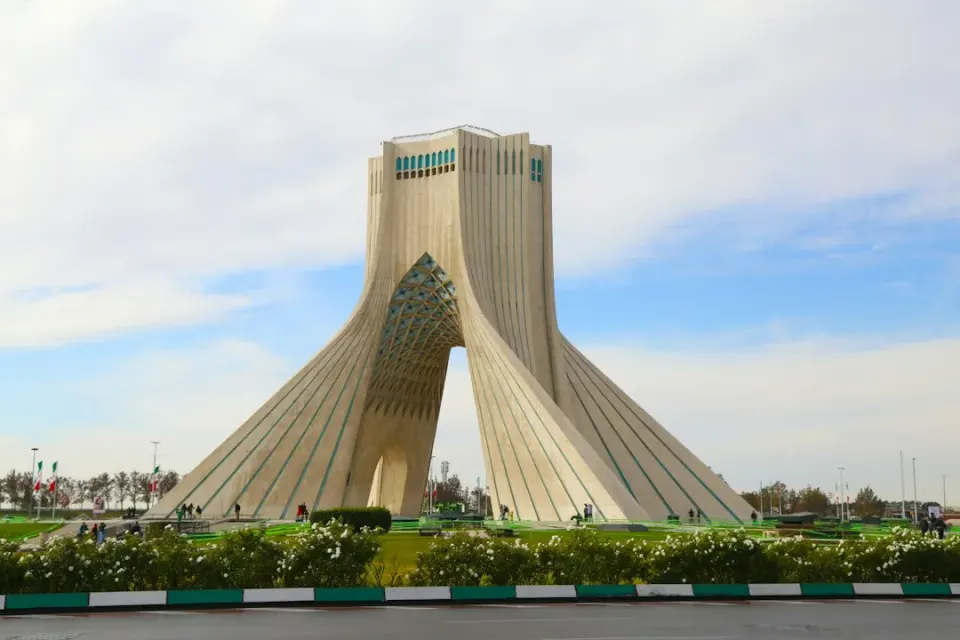
Mohammad Bagher Ghalibaf, the Speaker of the Iranian Parliament, has issued a stark warning to regional adversaries, stating that Iran's response to any violation of its territorial integrity would be "beyond the enemy's imagination." This rhetoric comes at a time of heightened military readiness, with Foreign Ministry officials confirming that the country is currently on its highest level of alert. The timing is critical, as regional tensions continue to simmer, and the "veto power" over the Strait of Hormuz—a sentiment recently echoed by former US President Barack Obama—remains a central pillar of Iran's geopolitical leverage. Foreign Minister Abbas Araghchi has also reinforced this stance, insisting that regional security must be maintained by local powers without foreign interference, further signaling a hardening of Tehran's diplomatic and military posture.
For the average Iranian citizen, these geopolitical signals have translated immediately into market volatility. On Sunday, October 25, 2026, the US Dollar in the open market rose from 267,800 to 270,000 Toman, a 0.8% increase that reflects a growing risk premium. Even more pronounced is the movement in the gold market, where 18-karat gold jumped 1.4% to reach 26,213,121 Toman per gram. This flight to safety suggests that despite official assurances of stability, domestic investors are hedging against the possibility of a wider escalation that could further strain the national economy. The Emami coin also saw a modest rise of 0.4%, reaching 268,000,000 Toman, confirming that the appetite for hard assets remains dominant.
Adding to the diplomatic friction, Saeed Khatibzadeh of the Foreign Ministry’s political center highlighted an attack on the Foreign Ministry Library, comparing the damage to historical "Mongol invasions." This framing serves to solidify the narrative of a nation under cultural and physical siege, a sentiment intended to unify the domestic front. However, the economic reality remains tied to these headlines; as long as the threat of "unimaginable" military action looms, the Toman is likely to remain under pressure, and the cost of imports will continue its upward trajectory. Investors are closely watching the $80,000 support level for Bitcoin, which currently sits at $80,258, as a secondary gauge of global liquidity and risk appetite during this period of regional uncertainty.
French Unrest and the Global Cost of Living Crisis
While the Middle East remains a flashpoint, Europe is grappling with its own internal fractures. In France, hundreds of thousands of protesters took to the streets of Paris and other major cities this weekend to voice their anger over the skyrocketing cost of living and a perceived lack of government resources for essential services. What began as peaceful demonstrations ended in significant clashes with security forces, resulting in nearly 1,000 arrests across the country. The protesters are demanding more government resources for schools and healthcare, arguing that the current administration is failing to protect the purchasing power of the working class amidst persistent inflation.
This social instability in France is not an isolated incident but part of a broader trend of economic discontent sweeping through the Eurozone. As Marine Le Pen officially launches her presidential campaign amidst a far-right party congress in Orléans, the political landscape is shifting toward populism. For global markets, this means increased uncertainty regarding the stability of the Euro and the future of EU fiscal policy. When major economies like France face such deep-seated domestic turmoil, it often leads to a "risk-off" sentiment globally, which can inadvertently support the US Dollar and Gold as safe-haven assets, compounding the pressure already felt in emerging markets.

The 'Phoenix' Trap: Why Revived Companies Often Fail Again
In the world of corporate finance, a new study has shed light on the controversial practice of "phoenixing"—where insolvent businesses are reacquired by their previous management to start fresh without their old debts. According to research published by The Guardian, these "phoenix" deals are significantly more likely to fail a second or third time compared to standard business turnarounds. The study highlights that these entities often pay far less to their creditors, including tax authorities, leaving a trail of financial destruction while the original directors continue to profit. This practice has raised serious questions about the ethics of insolvency laws and the protection of small creditors.
(Para 2) A prime example cited is the case of Andrew Woosnam, whose recruitment firms left creditors millions of pounds out of pocket while he maintained a lavish lifestyle. This "accounting art" of liquidating companies to escape debt is under increasing scrutiny by regulators who argue it undermines market integrity. For investors and creditors, the takeaway is clear: a business that has failed once under a specific management team is a high-risk gamble, even if it appears to be a "new" entity. In a tightening global economy where credit is becoming more expensive, these "phoenix" companies represent a systemic risk to supply chains and financial transparency, warning market participants to look beyond the surface of a corporate revival.

Frequently Asked Questions
چرا قیمت طلا در بازار ایران امروز ۱.۴ درصد رشد کرد؟
منظور اوباما از قدرت وتو ایران در تنگه هرمز چیست؟
چرا اعتراضات فرانسه برای بازارهای جهانی اهمیت دارد؟
Understanding Geopolitical Risk and its Impact on Safe-Haven Assets
Geopolitical risk refers to the potential for political events, conflicts, or instabilities between nations to disrupt global affairs and, consequently, financial markets. These risks can range from trade disputes and diplomatic tensions to armed conflicts and regime changes. When such uncertainties arise, they create an environment of unpredictability that can significantly influence investor sentiment, leading to shifts in capital flows and asset valuations. The headline's mention of "regional tensions" and an "unimaginable response" directly points to heightened geopolitical risk in a sensitive region.
In times of elevated geopolitical tension, investors typically seek "safe-haven assets" – investments perceived to retain or even increase in value during market turbulence. Gold is a classic example, revered for millennia as a store of value and a hedge against inflation and economic instability. Similarly, major reserve currencies like the U.S. dollar often strengthen, as investors flock to the perceived stability and liquidity of the world's largest economy and its financial system. The climbing prices of gold and the U.S. dollar against the Iranian Toman, as highlighted in the news, illustrate this flight to safety, reflecting concerns about regional stability.
A prime example of a geopolitical flashpoint with significant economic implications is the Strait of Hormuz. This narrow waterway, situated between Iran and Oman, is a critical choke point for global oil shipments, through which a substantial portion of the world's seaborne crude oil passes daily. Any threat or disruption to navigation in the Strait can send shockwaves through international energy markets, driving up oil prices and exacerbating global economic uncertainty. Such scenarios amplify geopolitical risk, further prompting investors to divest from riskier assets and move towards safe havens, impacting everything from commodity prices to national currencies.
Understanding the interplay between geopolitical events and financial market reactions is crucial for comprehending global economic dynamics. It helps explain why events far from one's immediate vicinity can still influence local prices for commodities like gold or the value of a national currency. This interconnectedness underscores the importance of monitoring international relations as a key factor in economic forecasting and investment strategy.
Topics
Related Articles