UK’s £9.8bn Cocaine Crisis Deepens as Bitcoin Clings to $80k Support Amid Regional Volatility
بحران ۹.۸ میلیارد پوندی کوکائین در بریتانیا و نبرد بیتکوین برای حفظ سنگر ۸۰ هزار دلاری
A surge in cocaine-linked crimes and record deaths highlights a shifting drug epidemic in Britain, while Bitcoin tests critical psychological support levels. Meanwhile, regional tensions flare as Saudi Arabia intercepts a Houthi missile amid Iran’s diplomatic outreach to Central Asia.
At time of publishing
USD
267,100
Toman
Gold 18K
25.80M
Toman / gram
Bitcoin
$80,534
US Dollar
Tether
266,863.349
Toman
The Hidden Economy of Britain’s £9.8bn Cocaine Epidemic
New data from the United Kingdom reveals a staggering shift in the nation's drug landscape, with the cocaine market now estimated to be worth a massive £9.8 billion annually. Unlike previous waves of drug use that focused on younger demographics, current statistics suggest an "ageing" user base where established consumers are taking the drug more frequently and in higher quantities. This surge has led to a record number of drug-linked deaths and a 10% rise in cocaine-related crimes, including violent assaults and domestic abuse, since 2019. Wastewater analysis across England further confirms that the scale of consumption is far higher than previously thought, with an estimated 2.5 billion "lines" of cocaine consumed in a single year.
This crisis reflects a normalization of Class A drug use across diverse social settings, from professional workplaces to local pubs. The economic implications are profound, as the multibillion-pound industry fuels organized crime networks that challenge domestic security. For the British government, the failure of traditional policing to curb this surge suggests a need for a radical rethink of public health and social welfare policies. Critics argue that the erosion of the UK’s social safety net has contributed to a sense of existential dread, leading many to seek escape through substance abuse, which in turn places an unsustainable burden on the National Health Service (NHS).

Bitcoin Tests the $80,000 Psychological Floor
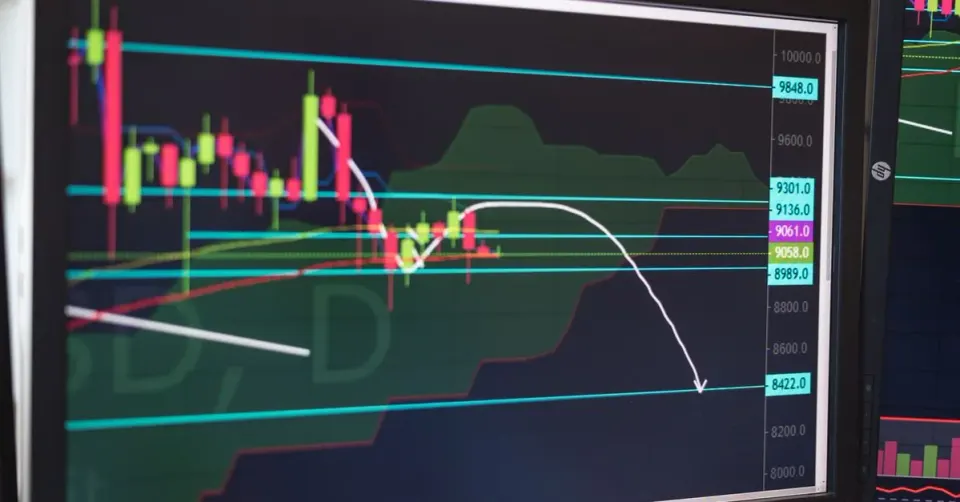
In the financial markets, Bitcoin is currently engaged in a high-stakes battle to maintain its position above the $80,000 support level. As of 11:00 Tehran time, BTC is trading at $80,534, showing signs of a descending triangle pattern on the technical charts. This formation often indicates a period of consolidation before a significant breakout or breakdown. Traders are closely watching this level, as a sustained drop below $80,000 could trigger a wave of liquidations, while a bounce could reinforce the current bullish cycle. The market's anxiety is mirrored in the Iranian domestic market, where the US Dollar has seen a slight correction, moving from 267,800 to 267,100 Toman (-0.3%).
While the global crypto market remains tense, gold continues its historic run, with the spot price sitting at $3,996.90 per ounce, nearing the significant $4,000 milestone. In Tehran, the Emami coin has reflected this slight cooling of local demand, dropping from 267,000,000 to 265,000,000 Toman (-0.7%). This decoupling of gold and crypto movements suggests that investors are hedging their bets; while Bitcoin is seen as a high-risk growth asset, gold remains the ultimate haven during times of geopolitical uncertainty. For Iranian investors, the slight dip in the dollar and coin prices offers a brief window of stability, though the underlying inflationary pressures remain unresolved.
Diplomatic Overtures Amid Regional Ballistic Threats
On the geopolitical front, the Iranian government is attempting to project an image of regional leadership and stability through diplomatic channels. President Masoud Pezeshkian and Foreign Minister Abbas Araghchi both issued statements today, Sunday, October 25, 2026 (۳ آبان ۱۴۰۵), congratulating Kazakhstan on its National Day. These messages emphasized "shared capacities" for promoting regional peace and security. However, this diplomatic rhetoric stands in sharp contrast to the ongoing military friction in the region. Reports from Al Jazeera indicate that Saudi Arabian forces recently intercepted a Houthi-fired ballistic missile targeting Riyadh, a development that underscores the fragile nature of the current regional security architecture.
This "double-track" reality—where Tehran pursues formal diplomacy with Central Asian neighbors while regional proxies continue to engage in high-stakes conflict—creates a complex environment for international observers. For the Iranian public, these diplomatic gestures rarely translate into immediate economic relief, as the shadow of sanctions and the threat of wider regional escalation continue to weigh on the Toman's value. The interception over Riyadh serves as a reminder that despite the congratulatory letters, the Middle East remains a theater of active kinetic engagement, which keeps the risk premium on oil and regional currencies high. Stability remains an aspiration rather than a reality as long as ballistic threats define the relationship between major regional powers.

Frequently Asked Questions
Why is the UK cocaine market growing despite record deaths?
What happens if Bitcoin falls below $80,000?
How did the Toman react to the latest regional tensions?
The Evolving Art of Money Laundering: From Cash to Crypto
Money laundering is the clandestine process by which illegally obtained funds are disguised to appear legitimate, effectively cleaning "dirty" money so it can be integrated into the formal financial system without raising suspicion. This intricate operation typically involves three stages: placement, where illicit funds are introduced into the financial system; layering, where complex transactions obscure the money's origin; and integration, where the laundered funds are returned to the criminals, appearing as legitimate income. The sheer scale of global illicit markets, such as the UK's estimated £9.8 billion cocaine crisis, underscores the immense challenge posed by this activity to economies worldwide.
Historically, money launderers relied on cash-intensive businesses, shell corporations, and offshore bank accounts to move and hide their ill-gotten gains. These methods, while still prevalent, often involve physical movement of cash or complex networks of traditional financial institutions, making them susceptible to detection by law enforcement agencies through financial surveillance and reporting requirements. The objective has always been to break the audit trail and create a veneer of legality that allows criminals to enjoy their wealth.
However, the advent of digital currencies has introduced a new dimension to this age-old problem. Cryptocurrencies like Bitcoin, initially lauded for their innovative technology and decentralized nature, have become increasingly attractive tools for money launderers. Their pseudo-anonymous nature, global reach, speed of transactions, and ability to bypass traditional banking intermediaries offer a potent combination for moving large sums across borders with relative ease, complicating efforts to trace illicit flows. The volatility and rapid price movements, such as Bitcoin clinging to an $80k support level, can also be exploited for obfuscation.
While public blockchains offer a transparent ledger of all transactions, the challenge lies in identifying the real-world identities behind the alphanumeric wallet addresses. Criminals often employ sophisticated techniques like "mixers" or "tumblers" to blend illicit funds with legitimate ones, further obscuring their origin. Law enforcement and financial regulators worldwide are continuously developing new strategies and technologies, including advanced blockchain analytics, to combat this evolving threat and ensure that digital assets do not become a safe haven for criminal enterprises.
Understanding money laundering, especially its contemporary manifestations involving cryptocurrencies, is crucial for grasping the broader economic implications of global illicit trade. It highlights the constant cat-and-mouse game between criminals adapting to new technologies and authorities striving to maintain financial integrity and combat organized crime, impacting everything from national security to the stability of global markets.
Topics
Related Articles