Israel’s Election Shadow Over Gaza as Tehran Warns of 'Greater' Retaliation and Tanker Rates Skyrocket
سایه انتخابات اسرائیل بر غزه همزمان با هشدار تهران و جهش بیسابقه هزینههای حملونقل نفت
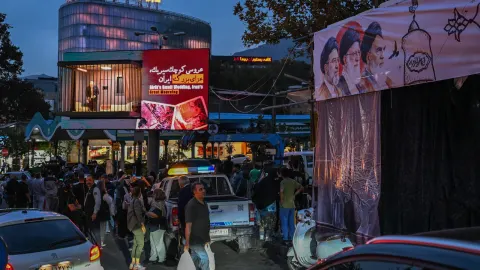
As Israel prepares for a pivotal election, Gaza's humanitarian crisis has been sidelined by political maneuvering, while Tehran blames Washington for the collapse of diplomatic efforts. Simultaneously, the 'Iran war' has pushed global oil tanker rates to record highs, fundamentally altering energy trade routes to Asia.
At time of publishing
USD
267,100
Toman
Gold 18K
25.76M
Toman / gram
Bitcoin
$80,575
US Dollar
Tether
266,863.349
Toman
Gaza Becomes Election Fodder Amidst Mass Evictions in Hebron
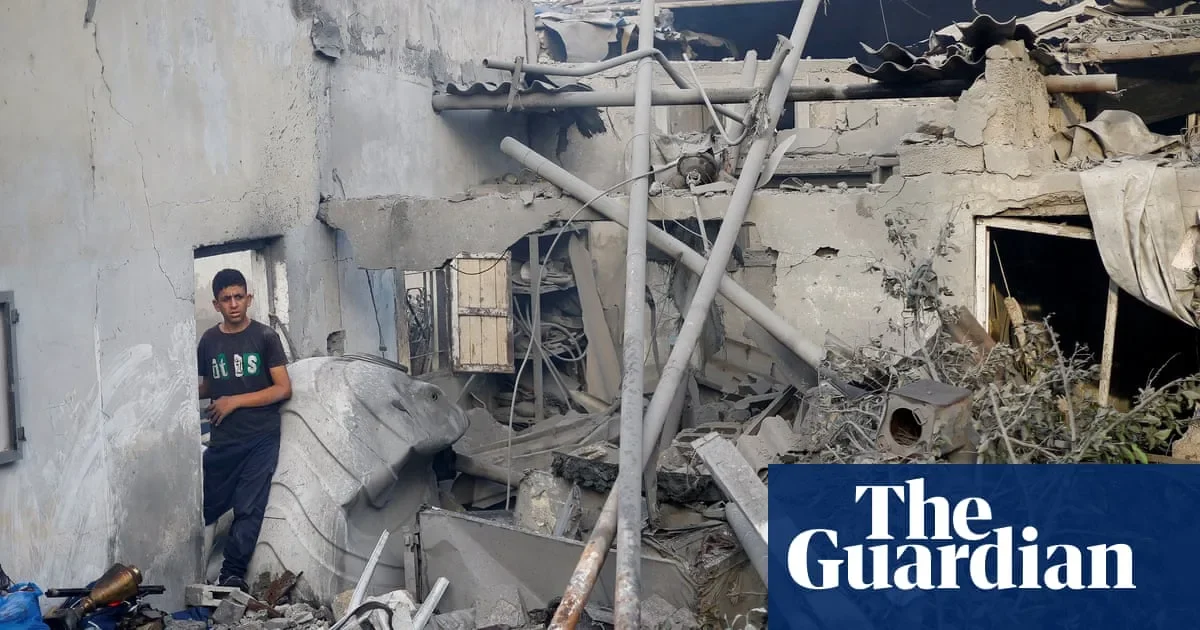
As Israel approaches a high-stakes election, the humanitarian catastrophe in Gaza has increasingly become a backdrop for political posturing rather than a priority for resolution. Rivals Benjamin Netanyahu and Gadi Eisenkot have both centered their campaigns on the total dismantling of Hamas rule, leaving nearly a million displaced Palestinians in Gaza to face deteriorating sanitary conditions and the constant threat of strikes without a clear diplomatic exit. The rhetoric has translated into intensified action on the ground; in Hebron, Israeli soldiers recently razed an entire neighborhood in the Ein Deir Baha district. This move, described by local authorities as collective punishment for a militant attack on an army checkpoint, has driven approximately 1,500 people from their homes and saw nearly 35 hectares of land destroyed.

This escalation signifies a shift where the suffering of civilians is being leveraged to signal 'toughness' to the Israeli electorate. For the broader region, this means the window for a ceasefire or a de-escalation deal is effectively closed until the votes are counted and a new government is formed. The lack of political will to address the humanitarian crisis suggests that the conflict may enter an even more volatile phase, as candidates feel pressured to avoid any appearance of 'weakness' in their stance toward Palestinian territories. This domestic political pressure in Israel is directly contributing to the regional instability that markets are now attempting to price in.
Tehran’s Brinkmanship: Failed Diplomacy and Shifting Markets
In Tehran, the diplomatic atmosphere has soured significantly as the Iranian Foreign Ministry officially blames the United States for the failure of recent negotiations. Spokesperson Esmaeil Baqaei has urged European nations to abandon "coercive approaches" and illegal sanctions, suggesting that any serious commitment to diplomacy must address the root causes of insecurity in the Persian Gulf and the Strait of Hormuz. However, the rhetoric remains aggressive; Tehran has warned that even limited strikes against its interests would trigger a response 'several times greater' than the initial provocation. This stance reflects a government that feels cornered but is determined to maintain a deterrent posture through the threat of regional escalation.

Despite the heightened geopolitical tension, the domestic currency and gold markets in Iran showed a slight cooling trend today, Sunday, October 25, 2026 (3 Aban 1405). The USD/IRR rate moved from 267,800 down to 267,100, marking a 0.3% decrease. Similarly, the Emami coin saw a more pronounced drop, falling from 267,000,000 to 264,000,000 Toman, a 1.1% decline over the last 24 hours. This minor retreat suggests that while the threat of war is ever-present, the local market had perhaps over-extended its risk premium in previous days, or traders are briefly pausing to see if the 'Sunday attack' hinted at by international figures actually materializes.
The Starlink Dependency and the Global Energy Squeeze
Beyond the immediate borders of the Middle East, the 'Iran war' is causing massive ripples in global logistics and technology. Ukraine’s continued reliance on Elon Musk’s Starlink highlights a critical vulnerability in modern warfare; Europe currently lacks a viable alternative to Musk’s satellite network, leaving the continent’s security architecture uncomfortably dependent on a private American entity. This technological bottleneck mirrors the crisis in the energy sector, where record-high tanker rates are crippling the flow of U.S. crude oil to Asia. Freight costs for a single voyage from the U.S. Gulf Coast to China have soared to as high as $80 million—ten times the historical average—as vessel availability crumbles under the weight of war-related inefficiencies.
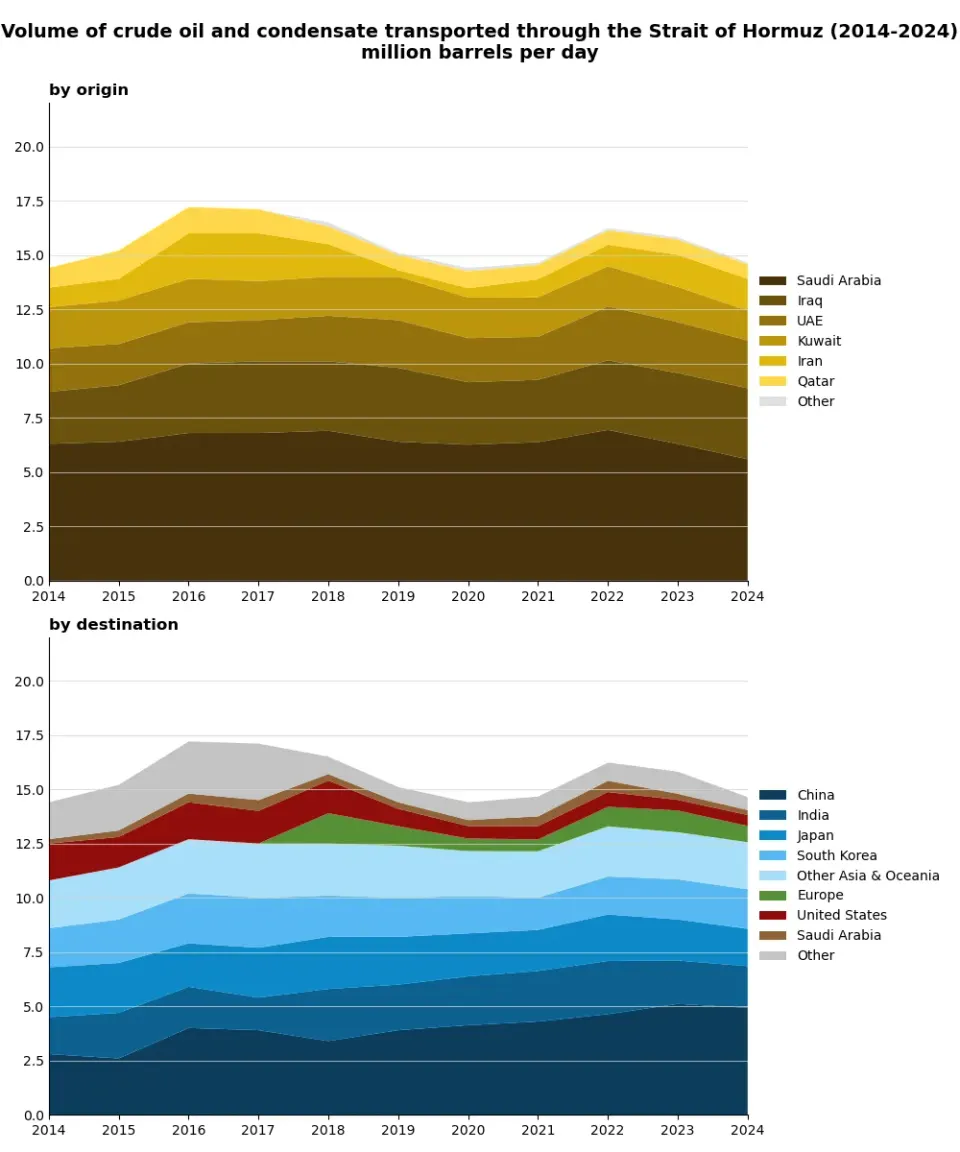
What this means for the global economy is a sustained 'cost shock' that is beginning to manifest in fuel oil prices in Asia. As shipping fuel becomes more expensive than the crude oil used to produce it, the entire supply chain for Asian trade is under pressure. The disruption of supplies from the Middle East, combined with prohibitive transport costs, is creating a scenario where energy security is no longer just about production, but about the sheer physical ability to move products safely through contested waters. For the consumer, this translates to persistent inflationary pressure on goods that rely on these trans-continental shipping lanes.
Frequently Asked Questions
چرا هزینه حملونقل نفت به ۸۰ میلیون دلار رسیده است؟
تاثیر انتخابات اسرائیل بر جنگ غزه چیست؟
چرا با وجود تهدیدات نظامی، قیمت دلار در تهران کاهش یافت؟
Understanding Geopolitical Risk Premium
The recent headline highlighting skyrocketing oil tanker rates amidst regional tensions points directly to a critical economic concept: the Geopolitical Risk Premium. This term refers to the additional cost or price tacked onto a commodity, asset, or service due to actual or perceived political instability, conflict, or uncertainty in a specific region. It's essentially the market's way of pricing in the increased danger and potential disruption caused by geopolitical events.
In the context of the Persian Gulf, a vital artery for global oil shipments, warnings of retaliation and heightened security concerns significantly elevate this risk premium. Shipping companies face higher insurance costs for vessels traversing these waters, or they may opt for longer, safer routes to avoid potential flashpoints. These decisions translate into increased operational expenses—more fuel, longer transit times, and higher crew wages for hazardous zones—all of which are passed on to consumers in the form of elevated freight rates. The "skyrocketing tanker rates" are a clear manifestation of this dynamic, directly impacting the cost of transporting oil worldwide.
The ripple effects of a geopolitical risk premium extend far beyond just shipping costs. Higher tanker rates contribute to increased global oil prices, impacting everything from fuel at the pump to manufacturing costs and consumer goods. This economic pressure can exacerbate inflationary trends and slow global economic growth. Furthermore, the uncertainty itself can deter investment and disrupt long-term trade agreements, highlighting how regional political instability, as suggested by the "Gaza humanitarian crisis" and "Persian Gulf security" keywords, can have profound and widespread economic consequences across the globe.
Topics
Related Articles