Riyadh Airport Reopens Amid Regional Thaw as Toman Slips to 270,000 and Gold Eyes $4,000
بازگشایی فرودگاه ریاض در پی کاهش تنشها؛ دلار تهران به ۲۷۰ هزار تومان رسید
Saudi Arabia reopens its capital's airport after weeks of Houthi-led disruption, signaling a potential pause in regional escalation. Meanwhile, the Iranian Toman faces renewed pressure as gold prices surge toward historic global highs.
At time of publishing
USD
270,000
Toman
Gold 18K
26.14M
Toman / gram
Bitcoin
$80,288
US Dollar
Tether
269,072
Toman
Riyadh Resumes Flights After Weeks of Houthi Threats
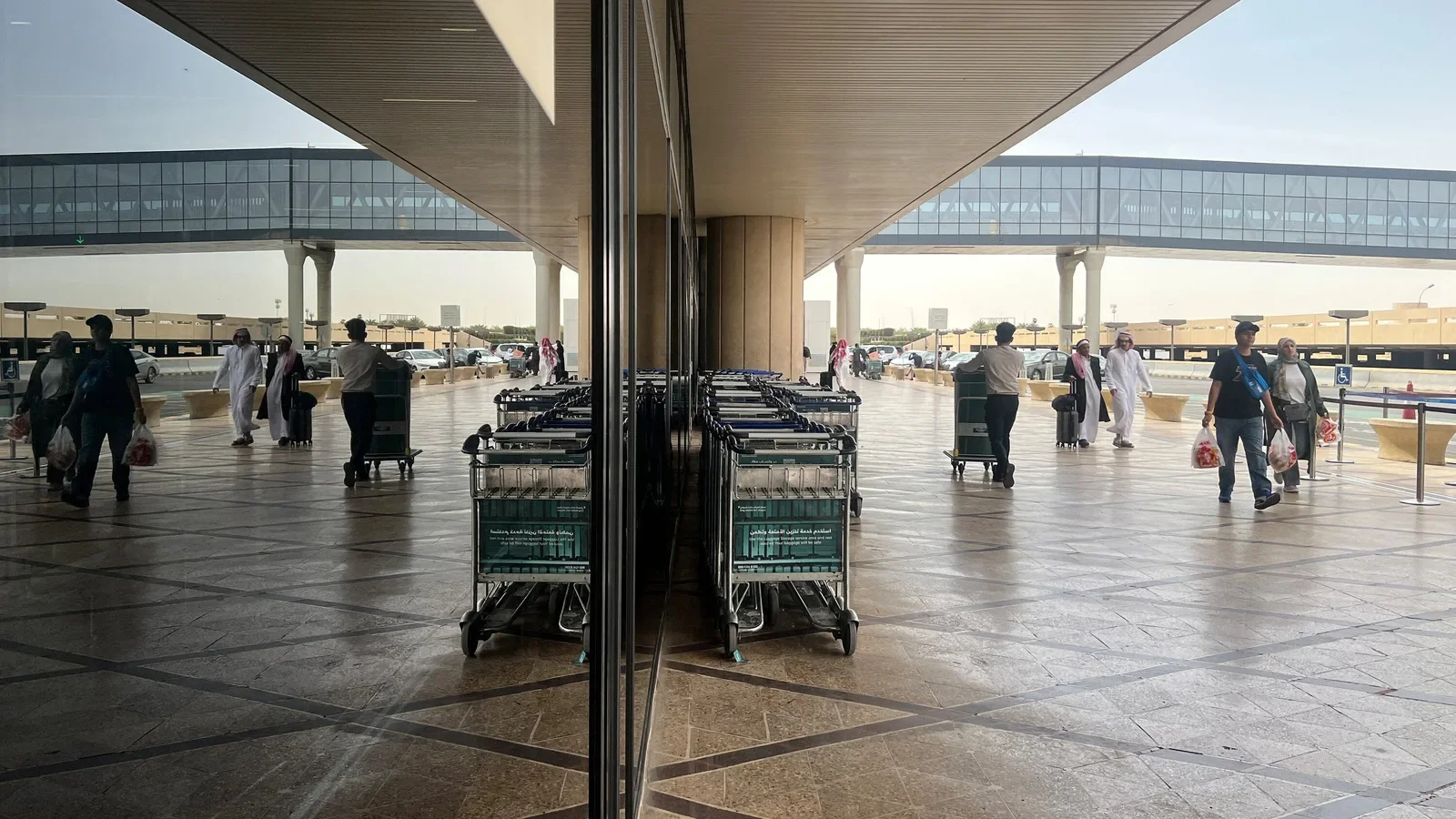
Saudi Arabia has officially reopened King Khalid International Airport in Riyadh today, following a period of intermittent closures and heightened security due to a series of attacks by Iran-backed Houthi militias. The reopening is seen as a strategic move to restore confidence in regional aviation and trade routes, which had been severely hampered by drone and missile threats over the past month. While the Saudi government has not detailed any formal ceasefire, the resumption of full operations suggests a temporary de-escalation or a significant upgrade in defensive capabilities that has allowed the Kingdom to project a return to normalcy.
For the Iranian market, this development is a double-edged sword. On one hand, a reduction in direct regional kinetic conflict typically lowers the 'war premium' on the Toman. However, the underlying tensions between Riyadh and Tehran remain a central pillar of market sentiment. Traders in the Tehran bazaar are watching these developments closely, as any sustained peace in the Arabian Peninsula could lead to a stabilization of shipping costs and oil insurance premiums, which indirectly impacts the foreign exchange availability in the Iranian banking system.
Toman Under Pressure as Global Gold Nears $4,000
Despite the perceived cooling of regional military tensions, the Iranian Toman has continued its downward trajectory. In the last 24 hours, the USD sell rate moved from 267,800 to 270,000 Toman, marking a 0.8% increase. This shift reflects a persistent domestic demand for hard currency as a hedge against long-term economic instability. Simultaneously, the gold market is experiencing a significant rally; 18k gold rose from 25,855,302 to 26,139,249 Toman (+1.1%), driven largely by the global ounce price hovering at a staggering $3,996.90. The psychological barrier of $4,000 for gold is now the primary focus of international investors, further draining liquidity from the Toman.
This trend is exacerbated by shifting expectations regarding global interest rates. City economists in London now suggest that the Bank of England is unlikely to reach its projected 4.75% interest rate by next summer, potentially keeping rates lower for longer to avoid a recession. When major central banks signal a slower pace of rate hikes, non-yielding assets like gold and Bitcoin (currently holding steady at $80,288) become significantly more attractive. For Iranian savers, this means the cost of preserving purchasing power is becoming increasingly expensive as both the dollar and gold move upward in tandem.
Global Unrest and Political Shifts Fuel Market Volatility
Beyond the Middle East, a wave of political instability is contributing to a global 'risk-off' sentiment. In France, hundreds of thousands have taken to the streets to protest President Emmanuel Macron’s policies on education and policing, leading to nearly 1,000 arrests and widespread clashes in Paris and Nice. This domestic crisis in one of Europe’s leading economies has weakened the Euro's outlook and pushed capital toward safe-haven assets. When major Western powers face internal turmoil, the ripple effects are felt in emerging and frontier markets like Iran, where investors interpret global chaos as a signal to dump local currency in favor of gold or crypto.
Adding to this global complexity is the high-stakes election in Brazil, where voters are heading to the polls to choose between the incumbent Lula and Flávio Bolsonaro, the son of the former president. The outcome of this race will redefine the geopolitical alignment of Latin America and its trade relationships with the BRICS bloc. As political landscapes shift from Europe to South America, the lack of a stable global anchor is keeping markets on edge. For the Iranian observer, these events underscore a reality where traditional economic indicators are often secondary to the raw volatility of geopolitics, making the $80,000 support level for Bitcoin and the 270,000 level for USD the new benchmarks of the current era.

Frequently Asked Questions
چرا بازگشایی فرودگاه ریاض برای بازار ایران مهم است؟
علت اصلی رشد قیمت طلا در بازار داخلی چیست؟
آیا بیتکوین ۸۰ هزار دلاری همچنان فرصت خرید دارد؟
Understanding Currency Depreciation: Why a Nation's Money Loses Value
Currency depreciation refers to the decline in the value of a country's currency relative to other currencies. When a currency depreciates, it means that you need more of that currency to buy the same amount of a foreign currency, like the US dollar. This phenomenon is often a response to various economic and geopolitical factors, signaling shifts in a nation's financial health or its standing in the global economy. For instance, if the Iranian Toman "slips to 270,000" against the dollar, it indicates a significant loss of purchasing power for Iranians looking to buy imported goods or travel abroad.
Several factors can drive currency depreciation. High domestic inflation, which erodes the purchasing power of money internally, often leads to its depreciation externally as foreign investors become less willing to hold assets denominated in that currency. Large trade deficits, where a country imports more than it exports, also put downward pressure on the currency as demand for foreign currency to pay for imports outstrips demand for the domestic currency. Furthermore, political instability, regional conflicts (like the Houthi-Saudi conflict), or even a perceived lack of confidence in a government's economic policies can trigger capital flight, where investors move their money out of the country, further weakening the local currency.
The consequences of currency depreciation are far-reaching. While it can make a country's exports cheaper and more competitive on the global market, potentially boosting export-oriented industries, it also makes imports more expensive. This can fuel domestic inflation as the cost of imported goods and raw materials rises, directly impacting consumers' purchasing power. For countries heavily reliant on imports, particularly essential goods like food or medicine, a rapidly depreciating currency can lead to significant economic hardship and social unrest. Understanding these dynamics is crucial for interpreting global economic news and assessing a nation's economic resilience.