Serbia Votes Amidst Corruption Protests; Riyadh Airport Reopens as Houthi Threats Persist
رایگیری در صربستان در میان اعتراضات فساد؛ فرودگاه ریاض بازگشایی شد، تهدیدات حوثیها ادامه دارد
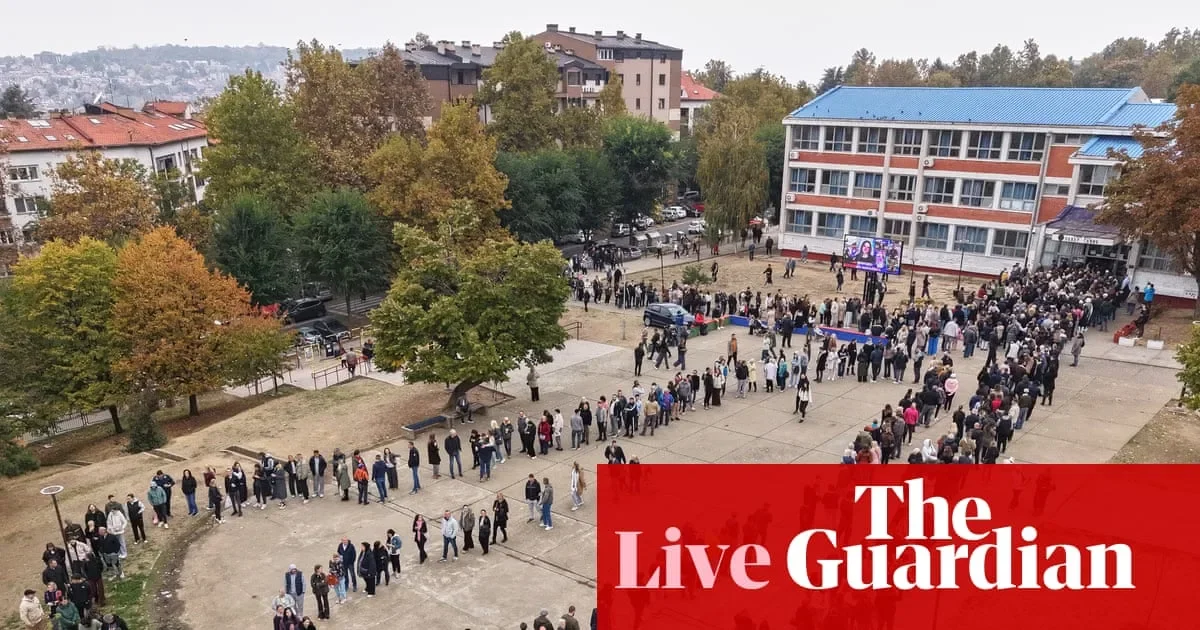
Serbia is holding a crucial election where strongman Aleksandar Vučić faces a significant grassroots challenge, potentially reshaping the country's political landscape. Meanwhile, Saudi Arabia has reopened Riyadh Airport despite ongoing threats from Iran-backed Houthis, signaling continued regional tension.
At time of publishing
USD
269,200
Toman
Gold 18K
25.99M
Toman / gram
Bitcoin
$80,535
US Dollar
Tether
268,918.417
Toman
Serbia Votes Amidst Grassroots Challenge to Vučić's Rule
Serbia is heading to the polls today in an election that could mark a significant shift in its political trajectory. The incumbent, Aleksandar Vučić, who has been in power for over a decade, is facing an unprecedented challenge from the "The Student List" movement. This grassroots initiative has galvanized a wave of protests across the country, fueled by widespread discontent over corruption and alleged authoritarian tendencies within Vučić's Serbian Progressive Party (SNS). Vučić himself has a complex past, having risen to prominence in the 1990s as a nationalist who supported policies of expansionism during the Yugoslav Wars.

The stakes are high for both Vučić and the burgeoning opposition. The "Student List" movement is campaigning on a platform of institutional reform and transparency, seeking to dismantle what they describe as a system deeply entrenched in corruption. Their success could signal a broader trend of democratic resurgence in the Balkans, challenging the established order that has characterized the region for years. The outcome of this election will not only determine Serbia's domestic policy but also its geopolitical alignment, with potential implications for its relationship with the European Union and Russia.
Riyadh Airport Reopens Amid Persistent Houthi Threats
Saudi Arabia has reopened Riyadh Airport, a vital hub for international travel and commerce, following a period of intensified threats and attacks by Yemen's Houthi militia. The Iran-backed group has targeted the airport and other civilian infrastructure in the Kingdom in recent weeks, raising concerns about regional stability and the safety of critical infrastructure. The reopening signifies Saudi Arabia's determination to maintain its normal operations despite the persistent security challenges posed by the Houthi insurgency.

This development comes amid broader regional tensions, with the Houthis continuing their campaign of drone and missile attacks, often aimed at critical energy and civilian targets. While the Houthis claim these actions are in response to the ongoing conflict in Yemen and external pressures, Saudi Arabia and its allies view them as destabilizing acts orchestrated by Iran. The continued threat to civilian air traffic highlights the complex and volatile security situation in the Arabian Peninsula, with potential ripple effects on global trade and energy markets. The reopening of the airport is a calculated move to project an image of resilience and normalcy, but the underlying threat remains a significant concern for regional and international actors.
Crypto Markets Navigate Geopolitical Shifts and Tech Access Concerns
The cryptocurrency market is currently experiencing a period of flux, influenced by a confluence of geopolitical developments and emerging concerns around technological access. Bitcoin and Ethereum are trading within a range, with traders closely watching global events for shifts in risk appetite. The recent news of the US military granting SpaceX access to sensitive tracking data, while ostensibly for space traffic management, has sparked discussions about data control and national security in the burgeoning space industry. This, coupled with ongoing debates about tokenized stocks and data privacy from hardware wallet providers, creates a complex backdrop for digital asset investors.

For Iranian investors, these global trends intersect with local economic realities. While the Toman has seen minor fluctuations, the underlying demand for stablecoins like USDT remains a key indicator of local market sentiment and a hedge against currency volatility. The broader crypto market's reaction to geopolitical instability, such as the situation in Serbia or potential escalations in the Middle East, directly impacts the perceived safety and utility of digital assets. As regulatory discussions around tokenized traditional assets continue, and as companies like Wells Fargo and Cisco express reservations, the path forward for mainstream crypto adoption remains dynamic. The market is thus navigating a delicate balance between technological innovation, geopolitical risk, and investor confidence.
Frequently Asked Questions
What is the main issue in the Serbian election?
Why are the Houthis threatening Saudi infrastructure?
What is the significance of SpaceX gaining access to US military tracking data?
How does the global crypto market instability affect Iranian investors?
What is the current trend for USD/IRR and gold prices?
Understanding Stablecoins: How USDT Works and Why It Matters
Stablecoins are a class of cryptocurrencies designed to hold a stable value by being pegged to an external reference, most commonly a fiat currency such as the US dollar. The most widely used stablecoin is Tether (USDT), which claims to maintain a 1:1 ratio with the dollar by holding equivalent reserves. This design aims to combine the speed and programmability of blockchain assets with the price stability of traditional money, making it attractive for traders, remittances, and decentralized finance (DeFi) applications.
The mechanics behind USDT involve the issuance of new tokens whenever an entity deposits dollars (or equivalent assets) with Tether Ltd., and the redemption of tokens when those dollars are withdrawn. In theory, every USDT in circulation should be backed by a dollar or a mix of cash, cash equivalents, and other assets. However, the company’s reserve composition and audit practices have been repeatedly questioned, leading to high-profile investigations and calls for greater transparency. Critics argue that opaque reserve reporting can undermine confidence, especially during periods of market stress.
Regulatory scrutiny is intensifying worldwide. Authorities in the United States, Europe, and Asia are examining whether stablecoins like USDT should be treated as securities, money market instruments, or a new category of digital assets. Regulatory outcomes can affect everything from the ability of exchanges to list USDT to the legal obligations of issuers regarding reserve disclosures. For investors, this means that the perceived safety of a "dollar‑pegged" token can shift rapidly based on policy changes.
Despite the controversies, USDT remains a cornerstone of the crypto market, accounting for a significant share of daily trading volume and serving as a bridge between fiat and crypto ecosystems. Understanding how it works, its risk profile, and the evolving regulatory landscape helps users make informed decisions about using stablecoins for payments, trading, or savings.
Topics
Related Articles