Oil Slides as Diplomatic Shuttle Hits Tehran; Bitcoin Dips Below $80,000 Amid Fed Caution
عقبنشینی قیمت نفت همزمان با تحرکات دیپلماتیک در تهران؛ بیتکوین به زیر مرز ۸۰ هزار دلار سقوط کرد
Brent crude falls to $114.85 despite US strike threats as Saudi and Turkish officials arrive in Tehran for peace talks. Meanwhile, Bitcoin has lost its $80,000 support level following a pause in institutional buying and renewed inflation concerns.
At time of publishing
USD
270,500
Toman
Gold 18K
26.39M
Toman / gram
Bitcoin
$79,660
US Dollar
Tether
270,151.055
Toman
The Oil Paradox: Diplomacy vs. Escalation
As of 10:00 Tehran time on Tuesday, October 27, 2026, the global energy markets are witnessing a rare moment of cooling despite a backdrop of high-stakes geopolitical friction. Brent crude has retreated to $114.85 per barrel, while West Texas Intermediate (WTI) is trading at approximately $100.87. This downward movement is particularly striking because it occurs in the shadow of potential new U.S. strikes against Iranian interests. The primary driver for this relief appears to be a sudden surge in regional diplomacy. High-ranking officials from Saudi Arabia, Turkey, and Pakistan have reportedly arrived in Tehran to discuss a framework for de-escalation, offering traders a glimmer of hope that a full-scale regional conflagration might still be avoided.
However, the floor for oil remains incredibly high compared to historical averages. Even with this slight dip, the market is pricing in significant risk premiums due to continued Houthi attacks on Saudi energy infrastructure and the ongoing uncertainty regarding Iran’s maritime export capabilities. For the Iranian economy, which is currently seeing the USD sell at 270,500 Toman, these global oil fluctuations are the lifeblood of the national budget. While the government attempts to project a sense of stability through diplomatic channels, the underlying volatility suggests that any breakdown in these talks could send Brent back toward the $120 mark almost instantly.

Crypto’s Reality Check: Bitcoin Falls Below $80,000
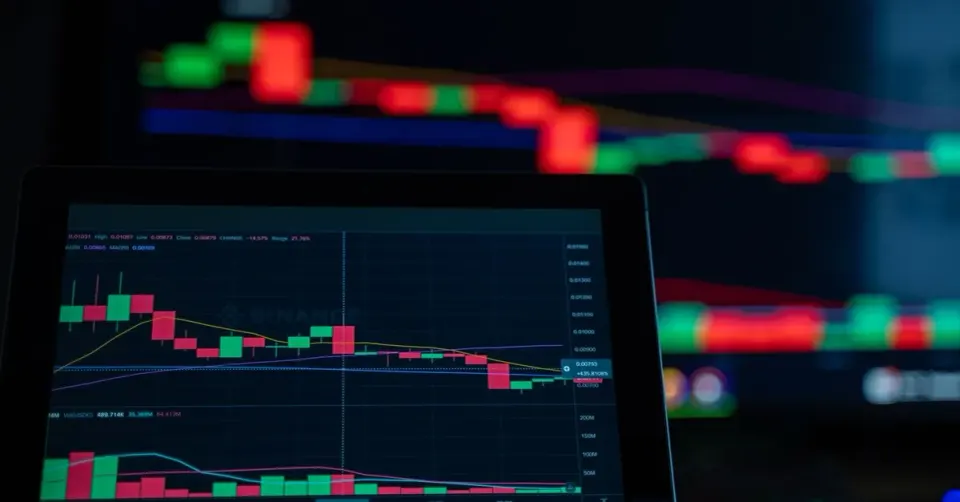
The digital asset market is facing its own set of challenges this morning as Bitcoin (BTC) slipped to $79,660, marking a psychological break below the $80,000 threshold. This correction comes after a period of intense bullish momentum that saw the asset reach historic highs. Analysts point to a combination of factors for this morning's slide: a notable pause in aggressive treasury buying by major corporate players like MicroStrategy (referred to in market circles as 'Strategy') and a general sense of caution emanating from the U.S. Federal Reserve. The Fed’s latest signals suggest that inflation remains stickier than anticipated, dampening hopes for further aggressive rate cuts that typically fuel risk-on assets like crypto.
For Iranian investors, who often use Tether (USDT) as a hedge against local currency depreciation, the current USDT price of 270,151 Toman reflects a tight correlation with the free-market dollar rate. While the 24-hour change for the USD/IRR pair remained flat at 0.0%, the volatility in BTC adds a layer of complexity for local traders. The market is also closely watching the 'AI agent' narrative, with reports suggesting that stablecoin issuers like Circle could face revenue risks as automated AI financial agents move capital toward higher-yielding fiat alternatives. This shift highlights a maturing market where even the most dominant crypto assets must compete with traditional financial yields.
Tehran’s Symbolic and Diplomatic Theater
On the domestic front, the Iranian government continues to lean heavily into symbolic events to bolster national identity amidst external pressure. A high-profile memorial ceremony for Ali Larijani was held at the University of Tehran’s Faculty of Literature, attended by top academic and political figures. While state media portrays these gatherings as signs of unity, they often serve as a backdrop for the regime to reiterate its defiance against Western sanctions. This comes at a time when the regional diplomatic shuttle—involving Saudi and Pakistani mediators—is attempting to find a middle ground between Tehran’s regional ambitions and the security requirements of its neighbors.
Despite the optics of these ceremonies, the economic reality for the average citizen remains strained. Gold 18k is currently trading at 26,393,185 Toman per gram, up slightly by 0.1% over the last 24 hours, while the Emami coin holds steady at 268,500,000 Toman. These prices reflect a deeply entrenched inflationary environment where citizens have little faith in the long-term purchasing power of the Rial. The contrast between the formal diplomatic talks in government halls and the daily struggle at the gold and currency exchanges in the bazaar remains the defining characteristic of the Iranian economy in late 2026.
Global Shifts: Urbanism and Justice
Beyond the Middle East, significant shifts are occurring in global hubs that mirror the changing priorities of the post-pandemic world. In London, the pedestrianization of Oxford Street has moved into a new phase, with shoppers praising the increased space and reduced pollution, even as bus rerouting causes localized chaos. This move toward 'traffic-free' urban centers is a trend being watched by city planners worldwide as they attempt to balance commercial interests with environmental sustainability. It serves as a reminder that while geopolitics dominates the headlines, the physical structure of our cities is undergoing its most radical transformation in decades.
Finally, the international legal landscape continues to produce startling developments. In Australia, the double murder trial of former police officer Beau Lamarre-Condon has gripped the public, as he testified about his failed attempts to report the deaths of Jesse Baird and Luke Davies. Such cases, while geographically distant, contribute to a global conversation about police accountability and the integrity of justice systems. Whether it is the cleaning of Pioneers Park in Belgrade after political upheaval or the push for reparations for slavery during King Charles’s Caribbean tour, the world is currently obsessed with the themes of accountability and the rectification of historical and systemic wrongs.

Frequently Asked Questions
Why did oil prices drop despite US threats against Iran?
What caused Bitcoin to break below the $80,000 support level?
How is the Iranian Rial performing amidst these global changes?
How the Federal Reserve’s Monetary Policy Influences Bitcoin and Other Cryptocurrencies
The Federal Reserve (the Fed) is the United States’ central bank, and its primary tool for managing the economy is the manipulation of short‑term interest rates. When the Fed raises the federal funds rate, borrowing becomes more expensive, which tends to cool consumer spending and business investment, thereby easing inflationary pressures. Conversely, cutting rates is meant to stimulate demand. These policy moves are communicated through the Federal Open Market Committee (FOMC) statements, which markets watch closely for clues about the future path of rates.
Cryptocurrencies, especially Bitcoin, are considered “risk‑on” assets because they do not generate cash flows and their price is driven largely by speculative demand. Higher interest rates increase the opportunity cost of holding non‑yielding assets, prompting investors to shift toward higher‑yielding bonds or cash. As a result, when the Fed signals a more hawkish stance—such as expressing caution about premature rate cuts—Bitcoin often experiences a price pull‑back, as we saw when it slipped below the $80,000 mark.
In addition to the direct effect of rates, the Fed’s stance on inflation shapes the broader macro environment. Persistent inflation erodes the real value of fiat currencies, which can make a deflationary‑like asset such as Bitcoin appear attractive as a store of value. However, if the Fed’s actions succeed in taming inflation, the perceived need for a hedge diminishes, further pressuring crypto prices. This dynamic explains why Bitcoin’s trajectory frequently mirrors the Fed’s narrative on inflation and monetary tightening.
Understanding this relationship helps investors anticipate crypto market moves. When the Fed adopts a dovish tone—suggesting lower rates for longer—risk assets, including Bitcoin, often rally. Conversely, a hawkish outlook typically triggers outflows from crypto into safer, interest‑bearing instruments. Monitoring Fed minutes, speeches by Chair Jerome Powell, and inflation reports therefore provides a valuable early‑warning system for anyone exposed to digital currencies.
Topics
Related Articles