Blueberry Exports: Iran’s New Agriculture Strategy Amid Global Inflation and Alpine Secrets
طلای بنفش در کهگیلویه؛ طرح بزرگ صادرات بلوبری همزمان با بحران هزینههای معیشتی در اروپا
Iran’s Boyer-Ahmad province is pivoting toward high-value blueberry exports to boost non-oil revenue, while the UK slashes tariffs on staples to fight inflation. Meanwhile, melting glaciers in the Dolomites reveal dangerous relics from World War I.
At time of publishing
USD
270,500
Toman
Gold 18K
26.46M
Toman / gram
Bitcoin
$79,607
US Dollar
Tether
270,241
Toman
Iran’s ‘Purple Gold’ Strategy: Investing in High-Value Exports
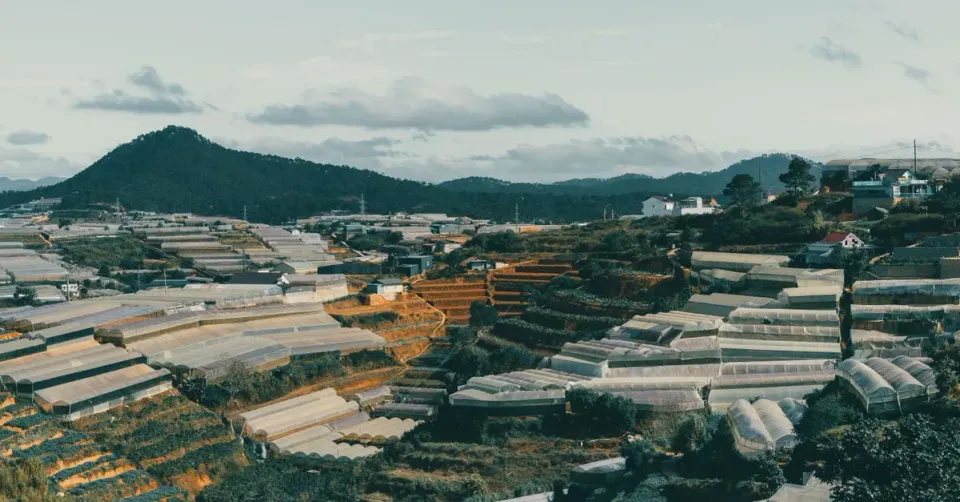
In a strategic move to diversify its non-oil revenue streams, the Kohgiluyeh and Boyer-Ahmad Province has officially opened its doors to significant investment in blueberry cultivation. According to reports from Yasouj, agricultural authorities are highlighting the region's unique climatic diversity as a competitive advantage for producing this high-demand berry. For Iranian investors, this represents a pivot away from traditional, low-margin crops toward "superfoods" that command premium prices in international markets, particularly in the Persian Gulf and Eurasia.
This initiative is more than just a local farming project; it is a calculated response to the ongoing economic pressure on the Rial. With the USD/IRR exchange rate holding steady today at 270,500, the need for stable, non-sanctioned export channels is paramount. By focusing on labor-intensive but high-yield products like blueberries, the province aims to create sustainable jobs while bringing in much-needed foreign currency. The local government claims that the long-term profitability of such crops far outstrips traditional grains, provided that the initial infrastructure for cold chains and export logistics is established.
Global Inflation: UK Slashes Tariffs to Provide ‘Breathing Space’
Across the globe, the battle against the cost-of-living crisis is taking a new turn. The UK Chancellor has announced plans to axe tariffs on several staple goods, a move intended to lower shelf prices for households struggling with persistent inflation. This policy shift underscores a broader global trend where governments are forced to intervene directly in trade barriers to prevent social unrest. As global oil prices remain volatile—with India’s crude basket recently hitting a staggering $123.29 per barrel—the pressure on logistics and food production shows no signs of easing.
For the Iranian reader, this global context is vital. Inflation is not a localized phenomenon, but the tools used to combat it vary wildly. While the UK uses tariff reductions to ease the burden, the Iranian market remains sensitive to the USD/IRR rate and gold prices. Gold 18k rose slightly today to 26,455,515 Toman (+0.4%), reflecting a continued domestic preference for hard assets as a hedge against global uncertainty. The UK’s move suggests that even developed economies are reaching the limit of what monetary policy alone can achieve, turning instead to fiscal and trade-based relief.
Geopolitical Relics: Melting Glaciers and Political Tensions
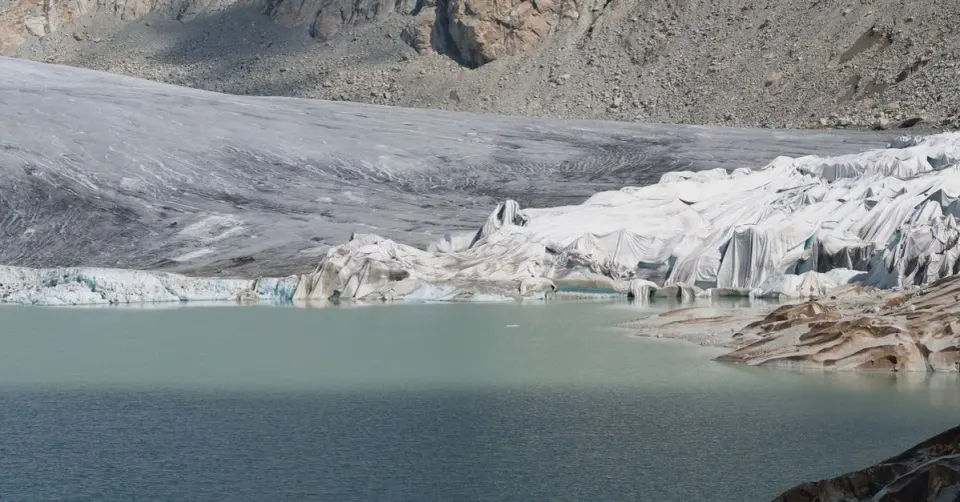
In the Italian Dolomites, the physical reality of climate change is unearthing literal ghosts of the past. The Italian army’s Julia Alpine brigade was recently called to remove and defuse over 250 explosives, including French mortar bombs and Italian artillery shells, that had been encased in ice for over a century. These relics from World War I are emerging as glaciers retreat at an unprecedented pace. This discovery serves as a grim metaphor for the current global state: as old environmental certainties melt away, ancient tensions and forgotten dangers are resurfacing in both physical and political forms.
This sense of instability is echoed in the political sphere. In Australia, Prime Minister Anthony Albanese is facing intense scrutiny over MP safety and the allocation of government grants. The promise of a "swift response" and the potential introduction of panic buttons for politicians highlights a growing atmosphere of domestic volatility. Whether it is the literal unearthing of bombs in Europe or the figurative political landmines in Canberra, the theme of late 2026 is one of managing inherited risks. For markets, this translates to a "risk-off" sentiment, visible in Bitcoin’s recent dip to $79,607 as investors move toward the perceived safety of gold, which is now flirting with the $4,000 per ounce milestone.
Public Health and Infrastructure: The Australian Warning
New data from the Australian Bureau of Statistics reveals a sobering trend: asthma deaths have reached a decade-high, and dementia has become the leading cause of death, accounting for over 10% of all fatalities. These numbers point to a deepening crisis in public health infrastructure that often goes unnoticed behind headlines of war and currency fluctuations. The rise in respiratory issues, in particular, is being linked to changing environmental conditions and urban air quality, a challenge that is equally relevant to major Iranian metropolises like Tehran and Isfahan.

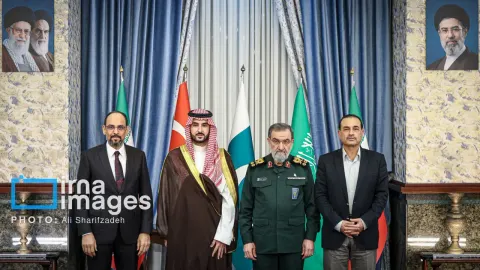
When governments fail to address these underlying social and health crises, the economic toll eventually manifests in lost productivity and ballooning healthcare costs. The Australian situation serves as a warning for other nations: ignoring the health of the citizenry while focusing solely on geopolitical maneuvering can lead to a hollowed-out economy. As we observe the Iranian government's focus on regional security meetings in Tehran, the long-term stability of the nation will ultimately depend on its ability to manage these domestic human factors alongside its broader strategic goals.
Frequently Asked Questions
چرا کشت بلوبری در ایران به عنوان یک فرصت سرمایهگذاری مطرح شده است؟
علت کاهش قیمت بیتکوین به زیر ۸۰ هزار دلار چیست؟
کاهش تعرفهها در بریتانیا چه تأثیری بر بازارهای جهانی دارد؟
Understanding Economic Diversification: Iran's Agricultural Shift
Economic diversification is a strategic approach nations adopt to broaden their economic base, moving away from over-reliance on a single industry or commodity. For countries historically dependent on natural resources, like oil-rich nations, diversification is crucial for long-term stability and growth. The primary goal is to mitigate risks associated with volatile global commodity prices, foster resilience against external economic shocks, and create a more sustainable and varied range of income streams. By investing in new sectors, countries can unlock new avenues for job creation, technological advancement, and overall economic development.
Iran, for instance, has long been a major oil producer, with its economy heavily influenced by global oil market fluctuations. The headline's mention of "Blueberry Exports: Iran’s New Agriculture Strategy" highlights a concerted effort towards economic diversification. This strategy aims to reduce the country's vulnerability to oil price volatility and international sanctions by developing its non-oil sectors, particularly agriculture. Investing in high-value agricultural products like blueberries for export markets can generate foreign currency, create employment in rural areas, and stimulate growth in related industries such as logistics, processing, and packaging.
Global trade policies and market access play a significant role in the success of diversification efforts. The mention of "UK tariff cuts 2026" suggests potential new opportunities for Iranian agricultural products to enter lucrative international markets. Such tariff reductions can make exports more competitive, incentivizing further investment in the agricultural sector. Furthermore, a diversified economy is better positioned to navigate periods of "global inflation," as it relies on a broader array of goods and services, rather than being solely exposed to the price swings of a single commodity.
Ultimately, successful economic diversification requires sustained government support, investment in infrastructure, technological adoption, and market development. While challenging, the long-term benefits include a more robust and resilient economy, less susceptible to external pressures, and capable of providing a wider range of opportunities for its citizens. Iran's push into agricultural exports exemplifies this global trend, demonstrating a proactive approach to building a more stable and prosperous future.
Topics
Related Articles