Iran Slams Trump’s Diplomatic 'Disregard' as Oil Surges Above $115 Amid Rising Regional Tensions
هشدار تهران نسبت به بیاعتباری دیپلماتیک واشینگتن؛ جهش نفت به ۱۱۵ دلار در سایه تنشهای منطقهای
Tehran has formally criticized Donald Trump’s recent remarks on diplomatic MoUs as a sign of American unreliability, while oil prices climbed to $115.70 following renewed regional attacks. Meanwhile, President Pezeshkian’s visit to Moscow signals a tightening energy alliance between Iran and Russia.
At time of publishing
USD
269,800
Toman
Gold 18K
26.46M
Toman / gram
Bitcoin
$80,854
US Dollar
Tether
269,277
Toman
Tehran Critiques Washington’s Diplomatic Accountability
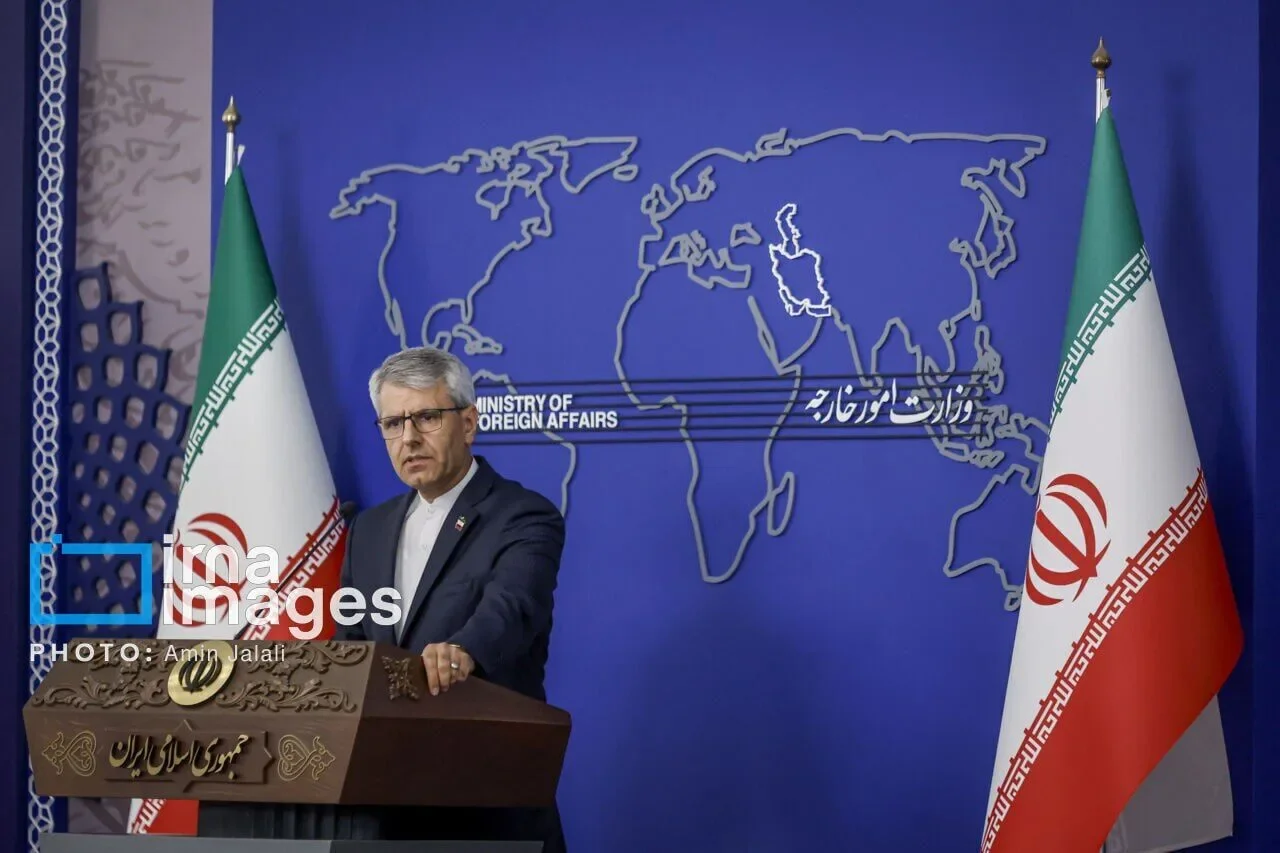
Iran’s Foreign Ministry spokesperson, Esmaeil Baqaei, has issued a sharp rebuke following recent comments by U.S. President Donald Trump regarding the Islamabad memorandum of understanding (MoU). Baqaei argued that Trump’s rhetoric serves as a clear indication of Washington’s persistent disregard for international law and its own diplomatic commitments. This diplomatic friction comes at a sensitive time for the Iranian economy, as the USD sell rate in Tehran reached 269,800 Toman this morning, reflecting a 0.1% increase over the last 24 hours. The Iranian government’s stance suggests that they view any potential future negotiations with a Trump-led or Trump-influenced administration with extreme skepticism, fearing a repeat of the unilateral withdrawals that characterized previous years.
For the average Iranian citizen, this political posturing is more than just a war of words; it is a direct driver of market sentiment. When the Foreign Ministry highlights a lack of accountability in Washington, it often signals to the market that sanctions relief is a distant prospect. This uncertainty keeps the Rial under pressure and encourages investors to seek refuge in hard assets. Indeed, the price of 18k gold has risen significantly to 26,455,515 Toman per gram, a 1.1% jump in just one day, as the public reacts to the perceived instability of international agreements. The narrative from Tehran is clear: they are preparing the domestic audience for a prolonged period of diplomatic deadlock.
Oil Prices Surge as Regional Conflict Hits Supply Lines
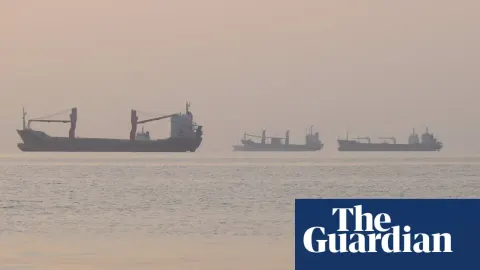
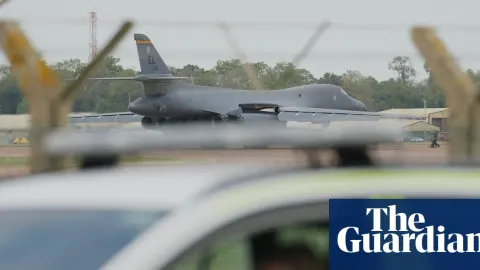
Global energy markets are reacting sharply to a confluence of geopolitical risks in the Middle East. Brent oil futures climbed 1.62% to trade at $115.70 per barrel, while West Texas Intermediate (WTI) rose to $101.20. The primary catalyst for this spike was a series of renewed Houthi attacks on Saudi Arabian energy infrastructure, which has reignited fears of a broader supply disruption. These attacks, combined with reports that the United States may be preparing for a new military campaign against Iranian interests following the upcoming midterm elections, have created a volatile environment where traders are pricing in a significant risk premium.
At the same time, President Masoud Pezeshkian has arrived in Moscow for the Gas Exporting Countries Forum (GECF). His meetings with Russian President Vladimir Putin and the Emir of Qatar at the Kremlin underscore Iran's strategic pivot toward Eastern and regional energy alliances. By positioning itself as a central player in the global gas market alongside Russia, Iran is attempting to mitigate the impact of Western sanctions. This energy diplomacy is a high-stakes game; if Iran can successfully coordinate with Russia and Qatar, it may gain enough leverage to offset the loss of Western oil revenue. However, the immediate consequence for the global economy is clear: higher energy prices that threaten to sustain inflationary pressures across the globe.
The Real-World Impact of AI and Digital Hate
In a stark warning from the tech sector, Australian Federal Police (AFP) Commissioner Krissy Barrett highlighted how integrated technology and artificial intelligence are now translating online grievances into physical violence. During a Senate hearing, Barrett noted that the "geography" that once protected nations from foreign influence and criminal actors has been eroded by social media and AI-driven radicalization. This is not merely a theoretical concern; it reflects a broader global trend where algorithmic amplification of hate speech is leading to attacks on public officials and marginalized communities. The commissioner’s comments suggest that the next phase of technological regulation will likely focus on the accountability of platforms whose systems allow inequality and extremism to flourish.
This trend toward digital instability is also manifesting in the corporate world. Datavault AI saw its stock plummet by 50% after a deal involving $150 million worth of Bitcoin fell through due to withdrawal issues. This incident serves as a cautionary tale for the integration of crypto-assets into traditional corporate finance. As AI continues to dominate market narratives, the intersection of blockchain volatility and AI valuation is creating a "bubble" atmosphere that has some Silicon Valley analysts worried. For users and investors, the message is that while AI offers immense productivity gains, the social and financial infrastructure supporting it remains fragile and susceptible to rapid collapse.

Frequently Asked Questions
Why did oil prices jump to $115.70 today?
What was the significance of Pezeshkian's visit to Moscow?
How did the Iranian gold market react to the latest diplomatic tensions?
What happened to Datavault AI in the crypto market?
Understanding the Geopolitical Risk Premium in Oil Markets
When headlines speak of rising regional tensions and diplomatic 'disregard' alongside surging oil prices, it's crucial to understand the concept of a Geopolitical Risk Premium. This isn't merely about the physical supply and demand of oil; it's an added component to oil prices that reflects the market's perception of potential future disruptions due to political instability, conflicts, or diplomatic breakdowns in oil-producing or transit regions. Essentially, it's the extra cost buyers are willing to pay to hedge against the uncertainty of future supply.
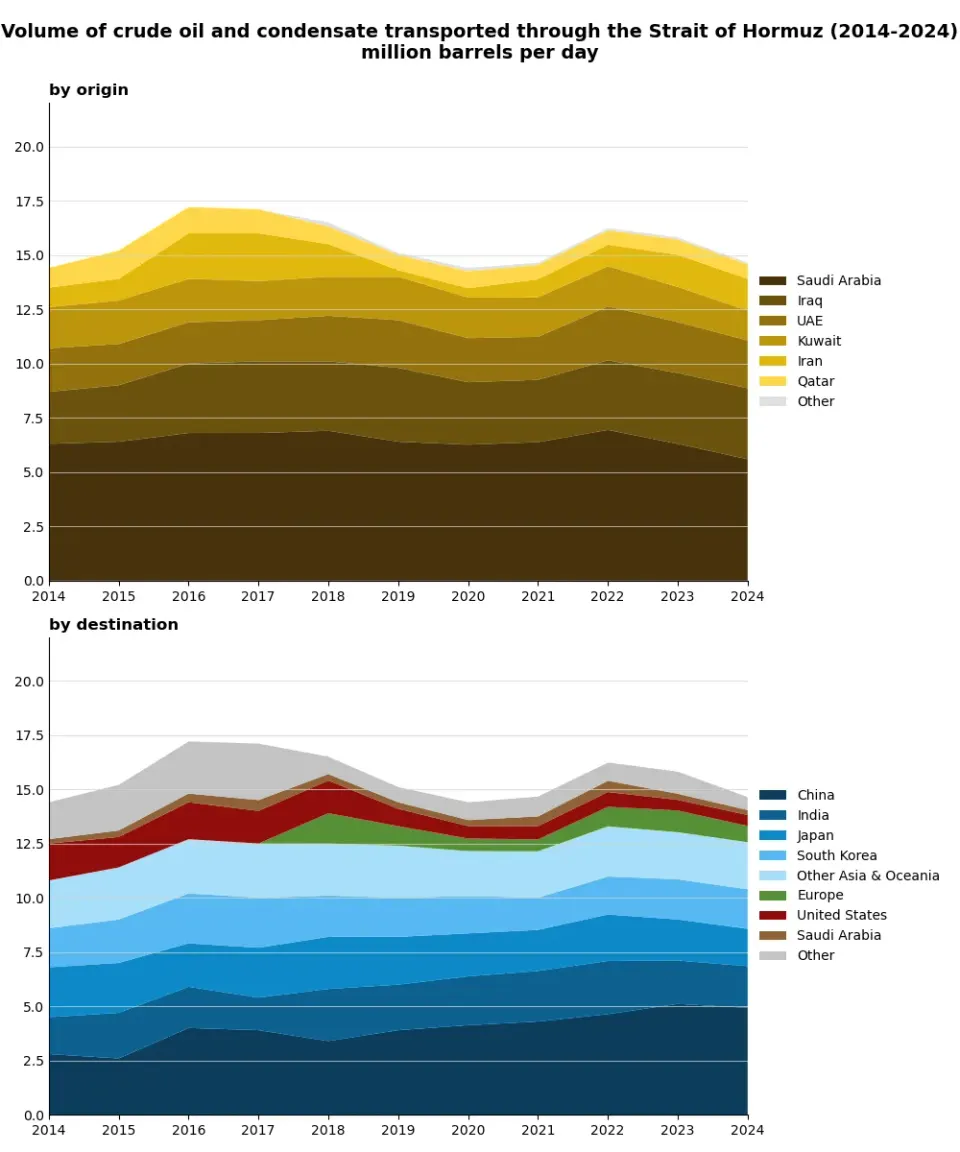
This premium manifests through several mechanisms. Threats to critical shipping lanes, such as the Strait of Hormuz or the Red Sea (relevant given the Houthi attacks), or the imposition of sanctions on major oil producers (like Iran), can trigger a risk premium. Even if actual supply hasn't been cut, the fear of future disruption prompts traders and refiners to bid up prices, stockpiling crude or speculating on higher future costs. This psychological element, driven by uncertainty and the potential for escalation, plays a significant role in price volatility.
The recent surge in Brent crude prices to over $115 amid tensions involving Iran, US diplomacy, and regional conflicts like the Houthi-Saudi attacks, exemplifies this phenomenon. These events create a palpable sense of insecurity in the market. Investors and energy companies factor in the possibility of supply interruptions, higher insurance costs for tankers, or even direct damage to infrastructure. The premium reflects this collective anxiety, pushing prices beyond what fundamental supply-demand balances might otherwise dictate.
The broader economic implications of a geopolitical risk premium are substantial. Higher oil prices translate into increased costs for transportation, manufacturing, and energy across the globe, fueling inflation and potentially dampening economic growth. For countries heavily reliant on oil imports, it can strain national budgets and consumer purchasing power. Thus, understanding this premium is key to grasping how international relations directly impact global economic stability and the everyday cost of living.