Gulf States Launch High-Stakes Peace Gambit to Avert US-Iran Conflict as Gold Hits Historic Peaks
قمار بزرگ کشورهای حاشیه خلیج فارس برای صلح؛ طرحی برای بازگشایی هرمز و لغو تحریمها در اوجگیری قیمت طلا
A secret diplomatic push by Gulf nations seeks to reopen the Strait of Hormuz and lift sanctions in exchange for Houthi retreats. Meanwhile, gold prices surge globally, and India's Jio makes a blockbuster market debut.
At time of publishing
USD
269,800
Toman
Gold 18K
26.43M
Toman / gram
Bitcoin
$80,798
US Dollar
Tether
269,277
Toman
Market Open — Gold Shines While Currency Holds Steady
Good morning from the Arzbin editorial desk. On this Wednesday, October 28, 2026, the Iranian markets are opening with a distinct focus on precious metals. The price of 18k gold has climbed significantly, rising from 26,160,025 to 26,432,429 Toman per gram, a solid 1.0% increase in just 24 hours. This move mirrors the global trend where the gold ounce is trading at a staggering $4,030.90, reflecting deep-seated international anxiety over geopolitical stability. The Emami coin followed suit, gaining 0.6% to reach 268,000,000 Toman, signaling that local investors are hedging heavily against potential volatility. In the currency corridor, the US Dollar showed remarkable stability despite the regional tension, edging up only 0.1% to settle at a sell rate of 269,800 Toman. Bitcoin remains the titan of the digital space, holding firm at $80,798, while Tether (USDT) is trading at 269,277 Toman. The market seems to be in a 'wait-and-see' mode, balancing the optimism of potential diplomatic breakthroughs against the reality of ongoing regional friction. For the average reader, this means your gold holdings are currently your strongest shield, while the Rial's stability remains fragile and tied to the headlines coming out of the Gulf.
The Gulf’s Peace Gambit: Reopening Hormuz and Lifting Sanctions
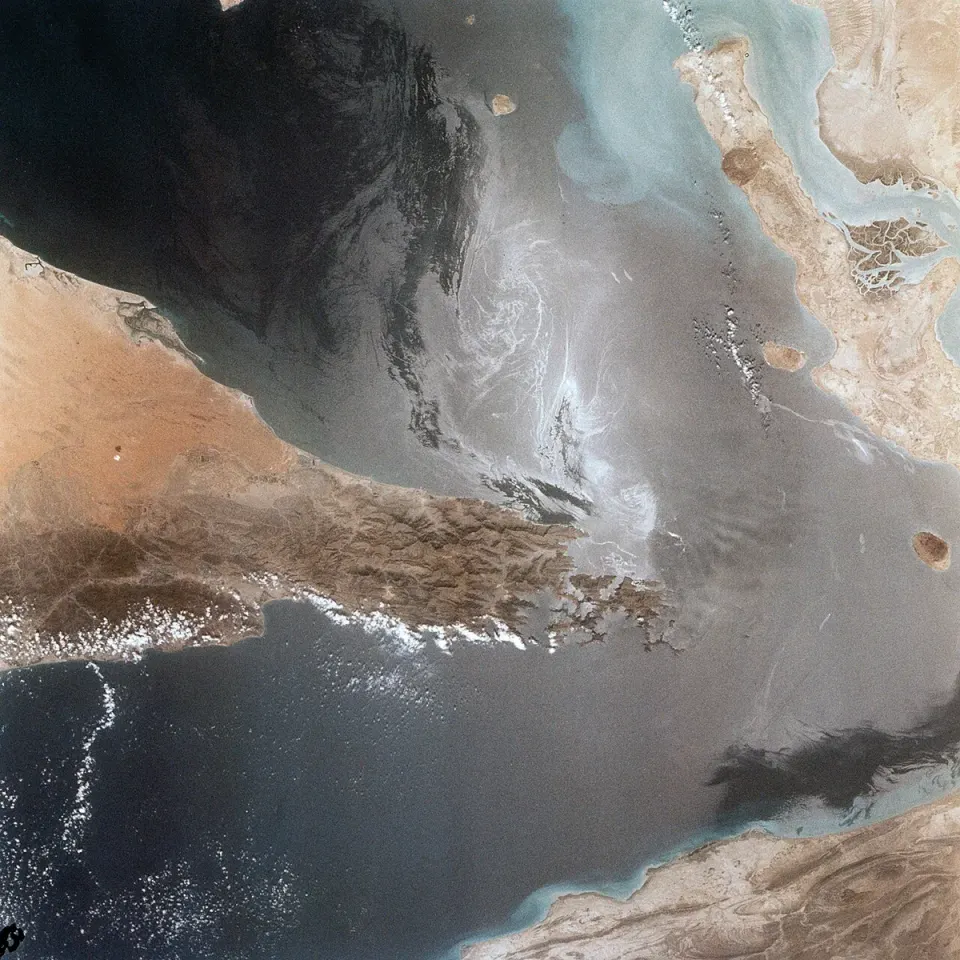
In a major overnight development, Gulf nations have reportedly accelerated a multipart peace deal aimed at preventing a full-scale renewal of conflict between the United States and Iran. According to reports from The Guardian, the core of this proposal involves a lightning-fast reopening of the Strait of Hormuz—potentially within four days of sanctions being lifted—coupled with a substantial withdrawal of Houthi forces in Yemen. This diplomatic maneuver represents a desperate but calculated attempt by regional powers like Saudi Arabia and the UAE to insulate their economies from a war they believe would be catastrophic for all parties involved.
While the US is aware of these negotiations, the path to a signature remains cluttered with obstacles. Washington is reportedly holding out for a major concession, likely involving the return of UN weapons inspectors to Iranian facilities—a move suggested by European powers to bridge the trust gap. For Iranians, the stakes could not be higher; a deal that successfully lifts sanctions would fundamentally alter the trajectory of the Rial and inflation. However, the complexity of coordinating a Houthi retreat with international sanctions relief means that while the plan is on the table, its execution remains a high-wire act of diplomacy.
India’s Jio Surges 21% in Blockbuster Market Debut
While the Middle East focuses on security, the global financial spotlight shifted briefly to Mumbai. Jio, the telecom and digital giant owned by Reliance Industries, made a historic market debut, with its shares surging 21% on the first day of trading. This rally has catapulted Jio to become India’s second-most valuable listed company, trailing only its parent organization. The success of this IPO underscores a massive shift in global capital towards emerging market technology and telecommunications, as investors look for growth outside the traditional Western hubs.

This surge is not just a win for Mukesh Ambani but a signal of the growing autonomy of the Indian economy. As inflation remains a persistent headache in Australia and parts of the West—where leaders are increasingly blaming geopolitical conflicts for rising costs—India’s tech sector is demonstrating that localized growth can still thrive. For the global investor, the Jio IPO is a reminder that while geopolitics creates risk, the digital transformation of the world's most populous nation continues to offer some of the most lucrative opportunities in the 2026 market landscape.
Security Tensions in the UK: A Shadow Over Diplomacy
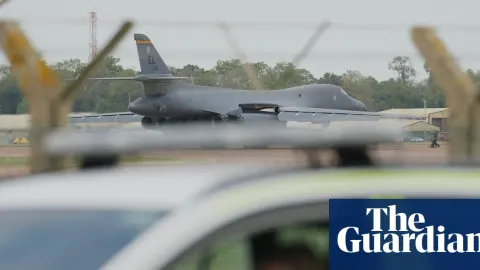
Just as peace talks gain momentum, a shadow has been cast by legal developments in the United Kingdom. British prosecutors have charged two men in connection with a suspected plot targeting RAF Fairford, a strategic base used by the United States. Crucially, authorities allege the incident was coordinated by an individual acting on behalf of Iran. This development creates a significant 'trust deficit' at the international level, potentially complicating the very peace negotiations the Gulf states are trying to broker.

This incident highlights the dual-track reality of current international relations: while diplomats talk about lifting sanctions and reopening trade routes, security agencies remain on high alert over covert activities. For the Iranian public, these conflicting signals often lead to market confusion. Official statements from Tehran, such as President Pezeshkian's recent comments on the 'fruitful' Gas Exporting Countries Forum in Russia, attempt to project a sense of constructive engagement. However, as long as security incidents in Europe are linked back to regional actors, the road to full sanctions relief will likely remain long and winding.
Frequently Asked Questions
چرا کشورهای عربی به دنبال میانجیگری برای لغو تحریمهای ایران هستند؟
آیا جهش قیمت طلا در ایران صرفاً به دلیل انس جهانی است؟
چرا عرضه اولیه شرکت Jio در هند برای بازارهای جهانی مهم است؟
Understanding Safe-Haven Assets: Gold's Role in Geopolitical Uncertainty
In the complex world of global finance, certain assets are dubbed "safe havens" because they are expected to retain or even increase in value during periods of market turbulence, economic uncertainty, or geopolitical crises. Unlike typical investments that might plummet during a downturn, safe havens offer investors a perceived refuge, a place to park their capital when the outlook is bleak. This behavior is driven by a fundamental desire to preserve wealth and reduce risk when traditional markets become volatile or unpredictable.
The quintessential safe-haven asset is gold. For millennia, gold has been recognized as a store of value, independent of any government's solvency or corporate earnings. Its tangibility, limited supply, and universal acceptance contribute to its enduring appeal. When headlines speak of "Middle East Conflict Inflation" or potential disruptions in vital shipping lanes like the "Strait of Hormuz," investors often flock to gold. This surge in demand during times of fear and uncertainty helps explain why "Gold Hits Historic Peaks" and why its price might be projected to reach "Record 2026" levels, as it acts as a hedge against inflation and a buffer against geopolitical shocks.
The dynamic of gold as a safe haven is particularly evident when geopolitical tensions escalate. A potential "US-Iran Conflict" or the ongoing implications of "Iran Sanctions Relief" create an environment of heightened risk. Such scenarios can lead to increased volatility in currency markets (like the "USD IRR Market"), potential supply chain disruptions, and a general erosion of confidence in traditional financial instruments. In response, investors reallocate their portfolios towards assets like gold, which are less correlated with the broader market and are perceived to offer stability.
Ultimately, understanding safe-haven assets, especially gold, is crucial for comprehending global market reactions to political and economic events. It highlights how investor psychology, driven by fear and the desire for security, can profoundly influence asset prices, turning a precious metal into a critical barometer of global stability and a key component of risk management strategies during uncertain times.