Israel Election Deadlock and Sanctioned Tankers Shift to Gulf as Gold Breaks $4,040
بنبست سیاسی در اسرائیل و بازگشت نفتکشهای تحریمی به خلیج فارس همزمان با رکوردشکنی طلا
Israel faces a political stalemate as exit polls show a tie between Netanyahu and Eisenkot, while sanctioned oil tankers pivot to the Persian Gulf. Meanwhile, gold prices continue their historic ascent, putting fresh pressure on the Iranian market.
At time of publishing
USD
270,000
Toman
Gold 18K
26.43M
Toman / gram
Bitcoin
$80,835
US Dollar
Tether
269,277
Toman
Israel Plunges into Political Uncertainty Amid Election Tie
Initial exit polls from Israel’s latest general election suggest a profound political deadlock that could paralyze the nation’s decision-making for weeks. The results indicate a neck-and-neck race between the right-wing bloc led by Prime Minister Benjamin Netanyahu and the opposition alliance headed by Gadi Eisenkot. Neither side appears to have secured the 61-seat majority required to form a government in the 120-seat Knesset. This stalemate is further complicated by a reported surge in support for Arab and Palestinian parties, which could potentially serve as kingmakers or, conversely, make the formation of a stable coalition nearly impossible for either mainstream bloc.
For regional observers and markets, this uncertainty translates directly into heightened geopolitical risk. A leaderless or weak Israeli government often faces internal pressure to take more aggressive stances externally to project strength, particularly regarding the ongoing tensions with Iran and its regional proxies. As the vote count continues, the possibility of yet another round of elections looms, which would extend the period of strategic ambiguity in the Middle East. The rise of the far-right, despite some losses for figures like Itamar Ben-Gvir, ensures that any future coalition will be fragile and beholden to radical elements, likely keeping the regional temperature at a boiling point.

Sanctioned Tankers Pivot to Lucrative Persian Gulf Routes
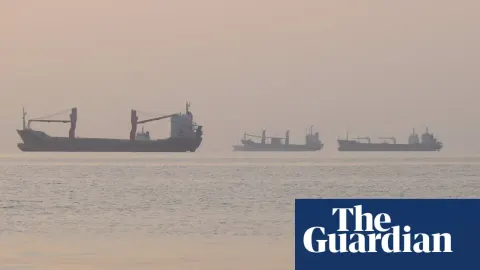
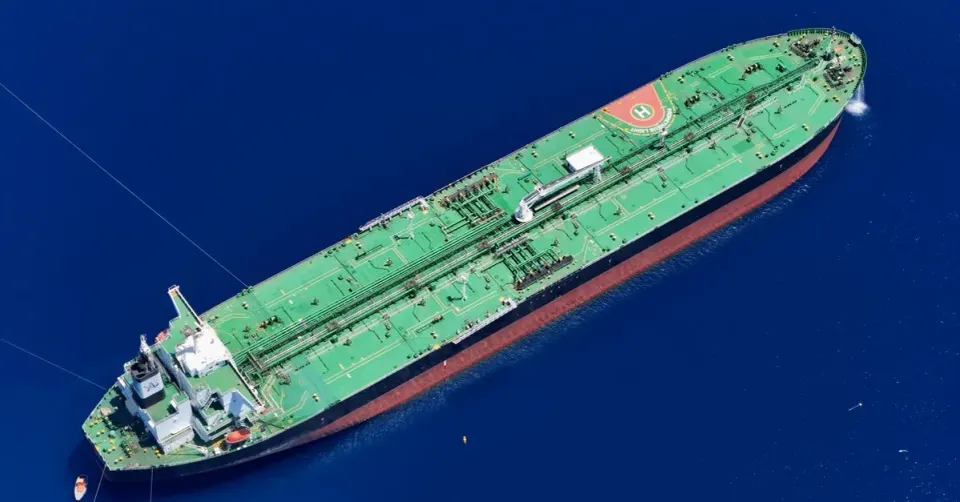
In a significant shift in the global energy 'gray market,' oil tankers that were previously blacklisted for transporting Venezuelan crude are now finding a second life in the Persian Gulf. According to recent maritime tracking data and reports from Bloomberg, at least two very large crude carriers (VLCCs) have been delisted or granted specific licenses, allowing them to pivot toward Middle Eastern export hubs. This transition suggests a maturing infrastructure for sanctioned trade, where vessels move seamlessly between different restricted jurisdictions as geopolitical winds shift. Two additional tankers are reportedly en route from South American waters to the Gulf of Oman, signaling a coordinated redeployment of the so-called 'shadow fleet.'
This movement is not merely a logistical curiosity; it has direct implications for Iran’s oil export capacity and the broader pricing of Brent crude. By utilizing vessels that have already operated under the radar of Western financial monitors, regional exporters can more easily mask the final destination of their product. For the Iranian economy, which remains heavily dependent on these opaque shipping networks to bypass US-led sanctions, the arrival of more 'experienced' tankers in the region could provide a slight cushion against tightening enforcement. However, it also increases the density of high-risk maritime traffic in the Strait of Hormuz, raising the stakes for any potential naval confrontation.
Gold Hits Historic $4,040 Peak as Iranian Markets React
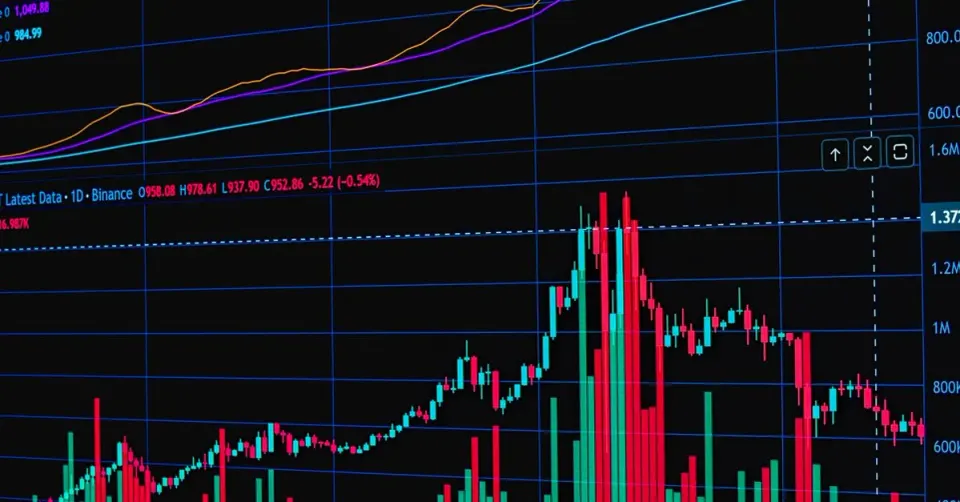
Global gold prices have surged to an unprecedented $4,040.90 per ounce, driven by a combination of US election jitters and a broader shift toward safe-haven assets. This rally has had an immediate and palpable impact on the Iranian domestic market. In the last 24 hours, 18-karat gold in Tehran rose from 26,160,025 to 26,432,429 Toman, marking a 1.0% increase. The Emami coin followed suit, climbing from 266,500,000 to 268,000,000 Toman (+0.6%). These movements reflect a growing anxiety among Iranian investors who see gold as the final hedge against both domestic currency devaluation and the threat of regional escalation.
While gold steals the spotlight, the US Dollar in the open market showed relative stability but maintained its upward trajectory, moving from 269,600 to 270,000 Toman (+0.1%). The psychological barrier of 270,000 Toman for the dollar, combined with the record-breaking gold ounce, suggests that the market is pricing in a 'worst-case' scenario for the upcoming weeks. Retail traders in Iran are increasingly caught between the high cost of entry for gold and the volatility of the crypto market, where Bitcoin is currently hovering near the $80,835 mark. The convergence of these high prices across all asset classes indicates a period of extreme capital protectionism among the Iranian public.
Tehran Commemorates Behbahan Tragedy Amid Sanction Disputes
On this Wednesday, October 28, 2026 (چهارشنبه ۶ آبان ۱۴۰۵), Iranian state media has focused heavily on the anniversary of the 1983 Iraqi missile attack on Shahid Pirouz Middle School in Behbahan. The event, which resulted in the deaths of 69 students, is being used by the government to reinforce a narrative of national resilience and historical grievance. Portraying the tragedy through newly released archival photos and memorial services from Behbahan to Minab, the state seeks to draw parallels between historical military aggression and modern economic pressure. This domestic messaging serves to bolster public support at a time when the cost of living continues to rise due to systemic economic mismanagement and external sanctions.
Simultaneously, on the international stage, Iran’s UN envoy Gholamhossein Darzi has intensified the diplomatic rhetoric, officially labeling international sanctions as a form of "economic terrorism" and an "act of aggression" under international law. While such statements are a staple of Iranian diplomacy, the timing—coinciding with the UK’s first budget under the Burnham government and the Israeli election results—suggests an attempt to challenge the legal framework of Western pressure. By framing sanctions as illegal warfare, Tehran is signaling to its domestic audience that the current economic hardships are an externally imposed 'siege' rather than a result of policy failures, even as the public continues to struggle with the 270,000 Toman dollar.
Frequently Asked Questions
چرا نتایج انتخابات اسرائیل برای بازار ارز ایران مهم است؟
دلیل بازگشت نفتکشهای تحریمی به خلیج فارس چیست؟
آیا رکوردشکنی اونس طلا ادامه خواهد داشت؟
Understanding Gold as a Safe-Haven Asset Amidst Geopolitical Unrest
When global headlines feature political deadlocks, international sanctions, and shifts in critical energy routes, one asset frequently comes into sharp focus: gold. The concept of gold as a safe-haven asset is crucial for understanding why its price often soars during periods of uncertainty and instability, as reflected by its recent breach of the $4,040 mark. A safe-haven asset is an investment that is expected to retain or even increase in value during times of market turbulence or geopolitical turmoil, offering a refuge from the volatility that typically affects other financial instruments.
Gold has historically served this role due to several inherent characteristics. Unlike fiat currencies, its value is not tied to the stability or policies of any single government or central bank. It is a tangible, scarce commodity with a long-standing perception as a store of value across millennia and cultures. In times of economic downturn, inflation fears, or geopolitical crises—such as election deadlocks, escalating sanctions, or disruptions in vital shipping lanes—investors flock to gold, perceiving it as a reliable hedge against the depreciation of paper money and a tangible asset that cannot be easily devalued or confiscated.
The recent surge in gold prices to record highs can be directly attributed to the confluence of various global stressors highlighted in the news. Political uncertainty, exemplified by election deadlocks, creates an environment where investors seek stability away from potentially volatile stock markets. The expansion of international sanctions and their impact on global energy markets, forcing shifts in tanker routes and creating supply chain anxieties, further fuels demand for assets perceived as secure. Additionally, concerns about currency depreciation, particularly in regions affected by severe sanctions, drive individuals and institutions to convert their wealth into gold, which is seen as a more stable medium of exchange.
Ultimately, gold's performance serves as a barometer for global anxiety. When the world faces a complex web of political instability, economic pressures, and geopolitical tensions, the demand for this precious metal typically increases. Its ability to act as a hedge against inflation, a store of wealth, and a universally accepted medium of value makes it an indispensable component of many investment portfolios, especially when the future appears unpredictable. Understanding this fundamental role of gold provides critical insight into how financial markets react to the intricate dynamics of global events.
Topics
Related Articles