Spain Mourns Rail Disaster as Oil Prices Retreat on Surprise Vance-Tehran Diplomatic Overture
سوگواری ملی در اسپانیا و عقبنشینی قیمت نفت؛ نامهنگاری غافلگیرانه ونس برای احیای مذاکرات با ایران
Spain begins three days of national mourning following a catastrophic high-speed train collision that killed 68, while global oil prices dip as U.S. Vice President JD Vance moves to restart dialogue with Tehran.
At time of publishing
USD
270,700
Toman
Gold 18K
26.26M
Toman / gram
Bitcoin
$80,016
US Dollar
Tether
270,411.163
Toman
Desolation in Spain: A Nation Mourns After Rail Catastrophe
Spain has entered a somber three-day period of national mourning this Thursday, October 29, 2026, following one of the deadliest rail disasters in European history. A high-speed train collision has claimed at least 68 lives and left dozens more injured, with emergency crews still working through the wreckage in a desperate search for survivors. The incident, described by officials as a scene of 'desolation and despair,' has sent shockwaves through the continent, raising immediate and piercing questions regarding the safety protocols of high-speed rail networks that were once considered the gold standard of European infrastructure.

The cause of the collision remains under intense investigation, but preliminary reports suggest a catastrophic failure in signaling or automated speed control systems. For the Spanish government, the tragedy is not just a humanitarian crisis but a political one, as critics demand accountability for recent maintenance budgets. For the broader public, the event serves as a grim reminder of the fragility of modern transport systems. As flags fly at half-mast across Madrid and Barcelona, the focus remains on identifying the victims and providing support to families who have seen their lives upended in an instant.
Oil Markets Retreat as Vance Initiates Surprise Tehran Outreach
In a move that has caught global markets off guard, U.S. Vice President JD Vance has reportedly reached out to the secretary of Iran’s Supreme National Security Council in an attempt to restart stalled peace negotiations. This diplomatic overture, confirmed by reports in the Wall Street Journal, led to an immediate cooling of energy prices. Brent crude, which had been flirting with higher levels earlier in the week, fell to $114.14 per barrel, while West Texas Intermediate (WTI) dropped to $101.45. The shift suggests that the U.S. administration is seeking a de-escalation of regional tensions to stabilize global energy supplies before the winter peak.
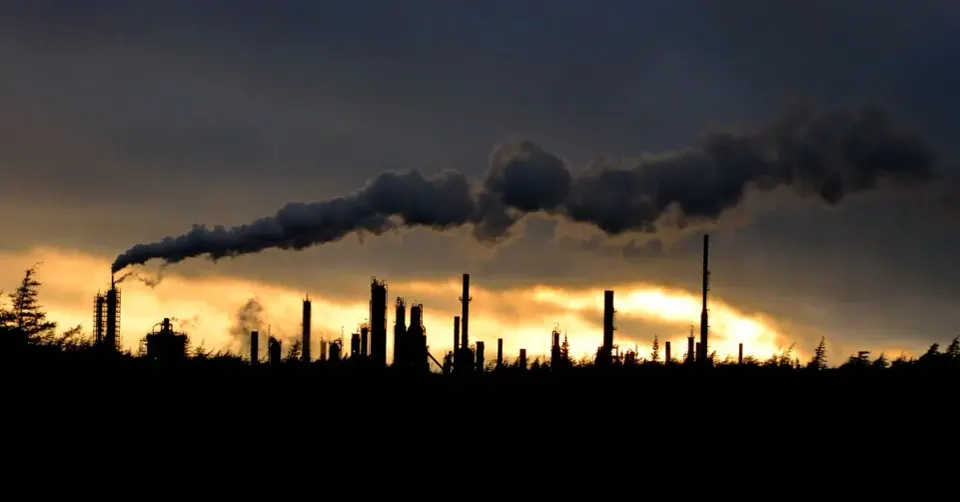
Despite the diplomatic friction, analysts remain skeptical about a long-term price floor. While the prospect of talks is a bearish signal for oil, the underlying reality of damaged infrastructure in the Middle East and Russia keeps the market on edge. Standard Chartered has noted that even with renewed diplomacy, oil buyers should not expect a return to sub-$100 prices anytime soon. Tehran continues to demand the lifting of sanctions and the end of the port blockade as a prerequisite for any formal agreement, indicating that while the 'Vance letter' has provided a temporary reprieve for markets, the path to a genuine settlement remains fraught with systemic obstacles.
Security Tensions Flare: IRGC Claims MQ-1 Drone Interception
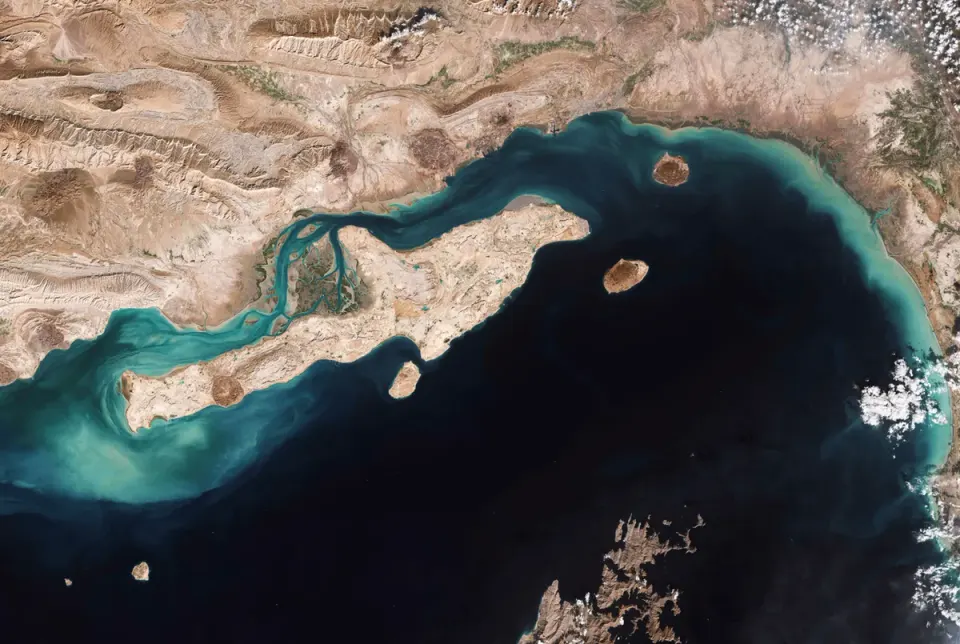
Adding a layer of complexity to the diplomatic efforts, Iran’s Islamic Revolutionary Guard Corps (IRGC) announced on Thursday that it successfully intercepted and destroyed an American MQ-1 drone over the eastern Strait of Hormuz. According to Iranian state media (IRNA), the drone was targeted after allegedly violating Iranian airspace. This incident highlights the volatile 'dual-track' nature of current relations, where high-level diplomatic letters are exchanged even as military hardware is downed in the world’s most sensitive oil chokepoint. The drone incident serves as a reminder that the IRGC often operates on a parallel track to the diplomatic gestures of the civilian government.
In the domestic markets, these geopolitical swings have kept the Iranian Toman relatively stable but under pressure. The USD/IRR rate remained unchanged at 270,700 Toman, reflecting a market that is waiting for concrete results from the Vance-Tehran channel rather than reacting to initial rumors. Meanwhile, gold prices saw a slight correction, with 18k gold dropping -0.7% to 26,259,291 Toman per gram. The regional security environment is further complicated by statements from Hezbollah’s Naim Qassem, who claimed that Iran is prioritizing an end to Israeli attacks on Lebanon. For investors, the takeaway is clear: the region is caught in a high-stakes tug-of-war between total escalation and a desperate search for a new status quo.
Frequently Asked Questions
چرا قیمت نفت با وجود تنشها کاهش یافت؟
تلفات حادثه قطار اسپانیا چقدر است؟
واکنش بازار ارز تهران به اخبار مذاکرات چه بود؟
Understanding the Brent Crude Benchmark
The global oil market relies on a handful of price benchmarks to signal how much a barrel of crude costs in different regions. The most widely quoted of these is Brent Crude, a blend of light, sweet crude oils extracted from the North Sea. Because it is relatively easy to transport and refine, Brent serves as a proxy for the price of oil in Europe, Africa, and the Middle East, and it is the reference point for roughly two‑thirds of the world’s oil contracts.
Brent’s price is determined every day on the Intercontinental Exchange (ICE) through an electronic auction where traders submit bids and offers for futures contracts. The spot price – the price for immediate delivery – is derived from the most actively traded futures contract, typically the one expiring in the near term. This mechanism makes Brent highly responsive to real‑time news, such as geopolitical tensions, supply disruptions, or sudden shifts in demand.
Geopolitical events, especially those involving major oil‑producing regions like the Strait of Hormuz, can cause sharp Brent price movements. For instance, a diplomatic overture between the United States and Iran that hints at easing sanctions may lower perceived risk of supply interruptions, prompting a rapid decline in Brent prices, as seen in the 2026 price retreat mentioned in recent headlines.
Understanding Brent is crucial for investors, policymakers, and anyone tracking energy costs because it influences the price of gasoline, jet fuel, and even non‑energy commodities that are priced in dollars. When Brent falls, it can ease inflationary pressures, but it also hurts oil‑producing economies that depend on higher revenues.
For a deeper dive, explore the history of Brent’s development, its role in the futures market, and how it interacts with other benchmarks like West Texas Intermediate (WTI).