Israel’s Election Stalemate: Netanyahu’s Fate Hangs on Historic Arab Bloc Turnout
زلزله سیاسی در اسرائیل؛ سرنوشت نتانیاهو در دستان ائتلاف بیسابقه اعراب
As Israel counts its final ballots, an unprecedented surge in Arab voter turnout has left Benjamin Netanyahu’s political future precariously balanced. Meanwhile, Bitcoin holds steady above $80,000 despite a hawkish Federal Reserve, and the US health sector braces for an RFK Jr. shakeup.
At time of publishing
USD
270,700
Toman
Gold 18K
26.32M
Toman / gram
Bitcoin
$80,148
US Dollar
Tether
270,469
Toman
Market Open — Stability in Tehran as Gold Corrects
Good morning. As of 09:30 Tehran time on Thursday, October 29, 2026, the domestic currency market shows a rare moment of stillness. The US Dollar (USD/IRR) is trading at 270,700 Toman, showing no change (0.0%) over the last 24 hours. This plateau suggests a 'wait-and-see' approach from traders as they digest regional geopolitical shifts and the final outcomes of major international elections. While the Rial remains under pressure, the lack of immediate volatility provides a brief window of predictability for local businesses and importers.
In the gold market, we are seeing a slight cooling off after recent rallies. 18k gold is currently priced at 26,321,621 Toman per gram, a decrease of 0.4% from yesterday. Despite this minor domestic dip, the global gold ounce remains remarkably strong, hovering at $4,028.20. The Emami coin, however, defied the slight downward trend in bullion, rising 0.2% to reach 268,500,000 Toman. This divergence often indicates that local demand for minted coins as a hedge remains more resilient than the demand for raw gold, reflecting a persistent inflation-protection mindset among Iranian investors.
Israel’s Political Deadlock: The Arab Vote Changes the Game
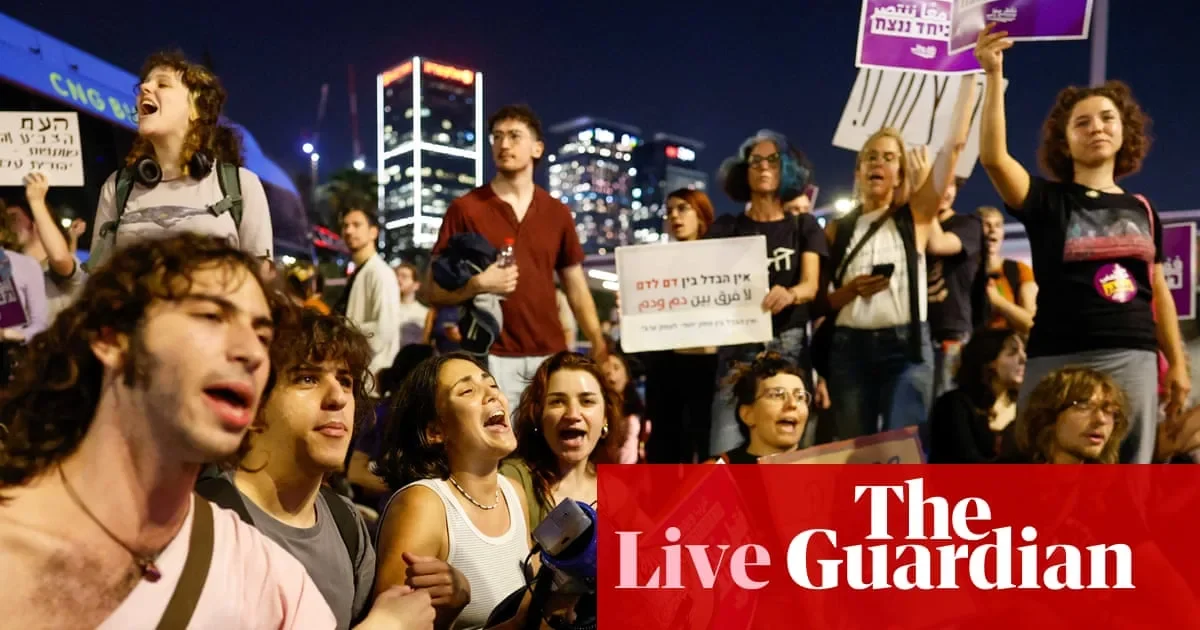
Israel is waking up to a transformed political landscape this morning as the count of absentee ballots begins. The headline story is the unprecedented achievement of the Arab community, which turned out in record numbers to secure a projected 19 seats in the Knesset. This surge has effectively neutralized Benjamin Netanyahu’s traditional path to a majority. Experts suggest that Gadi Eisenkot’s opposition bloc now holds the upper hand, but only if they are willing to break a long-standing political taboo: forming a government backed by Palestinian parties.
For the region, and specifically for Iran, this is a high-stakes transition. A government led by Eisenkot with Palestinian backing would likely represent a shift away from Netanyahu’s maximalist confrontational stance, potentially opening backchannels for de-escalation. However, the internal friction within such a diverse coalition would be immense. Netanyahu is not expected to go quietly, and the coming days of coalition horse-trading will determine whether Israel moves toward a new era of internal partnership or sinks deeper into political instability. The markets are watching closely, as any sign of a more stable, less hawkish Israeli cabinet usually leads to a temporary softening of the 'war premium' on oil and regional currencies.

Bitcoin Defies the Fed: The $80,000 Floor Holds
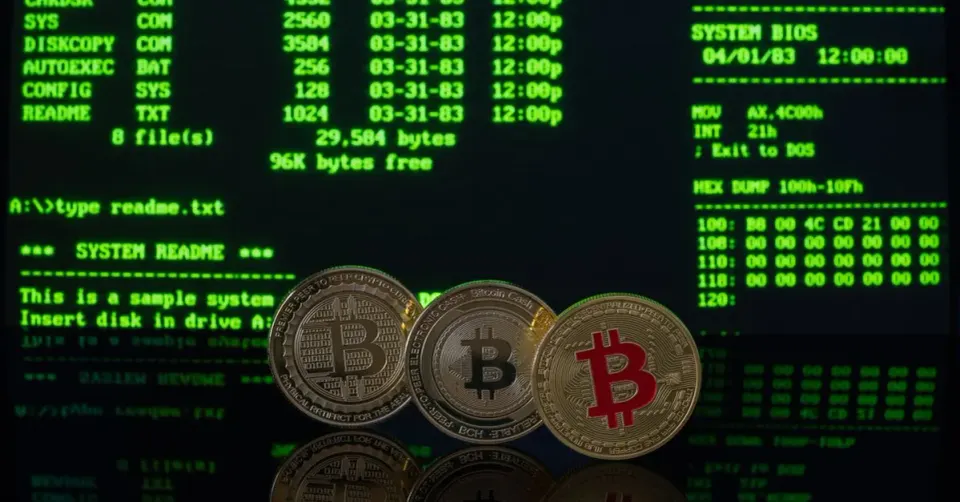
In the world of digital assets, Bitcoin (BTC) continues to trade with remarkable strength, currently sitting at $80,148. This comes despite a 'hawkish hold' from the US Federal Reserve, which has signaled that interest rates may stay higher for longer to combat stubborn inflation. Typically, high interest rates are a headwind for non-yielding assets like Bitcoin, but the market seems to be decoupled from traditional macro pressures. Analysts point to massive institutional inflows and the maturing of Bitcoin ETFs as the primary drivers keeping the price floor elevated.
For Iranian crypto traders, the focus remains on the USDT/IRT rate, which is currently at 270,469 Toman. With Bitcoin at these historic levels, the 'fear of missing out' (FOMO) is palpable, but the Fed’s stance remains a significant risk factor. If upcoming US inflation data comes in hotter than expected, the 78% probability of a December rate hike could trigger a sharp correction. For now, the crypto market is showing a 'risk-on' appetite that suggests investors are more worried about currency debasement than they are about the cost of borrowing.
RFK Jr. and the Peptide Revolution: A US Health Shakeup
In a move that has sent shockwaves through the global pharmaceutical industry, US Health Secretary Robert F. Kennedy Jr. has announced plans to expand public access to unapproved peptides. These compounds, which are often used for anti-aging, muscle growth, and cognitive enhancement, have long existed in a regulatory gray area. Kennedy’s push to bypass traditional FDA clinical trial timelines is part of a broader 'Make America Healthy Again' agenda that seeks to dismantle what he calls the 'captured' relationship between regulators and big pharma.

This policy shift is more than just a medical story; it is an economic one. By opening the doors to these treatments, the US could see a massive boom in bio-hacking startups and specialized clinics, while traditional pharmaceutical giants may see their patent-protected monopolies challenged. However, health experts are sounding the alarm, warning that widespread use of substances without long-term human trials could lead to a public health crisis. For global observers, this represents a radical experiment in deregulation that could either spark a new era of personalized medicine or end in a regulatory catastrophe.
Frequently Asked Questions
چرا با وجود کاهش قیمت طلا، قیمت سکه امامی افزایش یافته است؟
آیا تغییر دولت در اسرائیل بر قیمت دلار در تهران اثر میگذارد؟
پپتیدهای مورد نظر رابرت کندی جونیور چه هستند و چرا مهماند؟
Israel’s Electoral Threshold and the Power of the Arab Bloc
In Israel’s parliamentary system, the electoral threshold is the minimum share of the national vote a party must obtain to win any seats in the 120‑member Knesset. Since 2014 the threshold has been set at 3.25 % of the vote, a figure that deliberately squeezes out very small parties and encourages pre‑election mergers. The rule is crucial because Israel uses a pure proportional representation system: the number of seats a party receives is directly proportional to its share of the vote, provided it clears the threshold.
The Arab parties, which collectively represent Israel’s Arab minority (about 20 % of the population), have historically hovered around the threshold. When turnout among Arab voters is high, these parties can secure a bloc of 7‑10 seats, enough to become kingmakers in a fragmented parliament. In a system where no single party has ever won an outright majority, coalition building is the norm, and the side‑bars of the political spectrum—particularly the Arab bloc—can tip the balance in favor of either the right‑wing Likud‑led coalition or a centrist/left‑wing alternative.
Because of this, the Arab bloc’s turnout becomes a strategic factor in every election. A low turnout can push Arab parties below the threshold, effectively removing their seats and weakening the opposition’s bargaining power. Conversely, a surge in Arab voter participation can force the leading party, such as Netanyahu’s Likud, to negotiate policy concessions—ranging from budget allocations for Arab municipalities to broader civil‑rights reforms—in order to secure a stable governing coalition.
Understanding the threshold and the dynamics of the Arab bloc helps explain why Israeli elections often result in prolonged stalemates. It also illustrates a broader lesson about proportional representation: small, well‑organized minorities can wield disproportionate influence when the overall party system is highly fragmented.
For anyone following the 2026 election, watching the Arab voter turnout will be as important as the headline poll numbers, because it directly determines whether the incumbent can form a government without making significant policy compromises.