Tehran Sets Seven Hard Conditions for US Deal as Toman and Gold Retreat from Recent Peaks
هفت شرط سخت تهران برای توافق با آمریکا؛ عقبنشینی ۱.۱ درصدی دلار و کاهش قیمت طلا
Iran's envoy to Egypt has outlined seven non-negotiable conditions for a deal with Washington, signaling a rigid diplomatic stance even as domestic currency and gold markets see a slight correction. Meanwhile, a rare humanitarian truce in Ukraine and a funding reality check for OpenAI dominate the global news cycle.
At time of publishing
USD
271,000
Toman
Gold 18K
25.24M
Toman / gram
Bitcoin
$77,502
US Dollar
Tether
269,868
Toman
Tehran’s Seven Pillars: A Rigid Stance on US Diplomacy
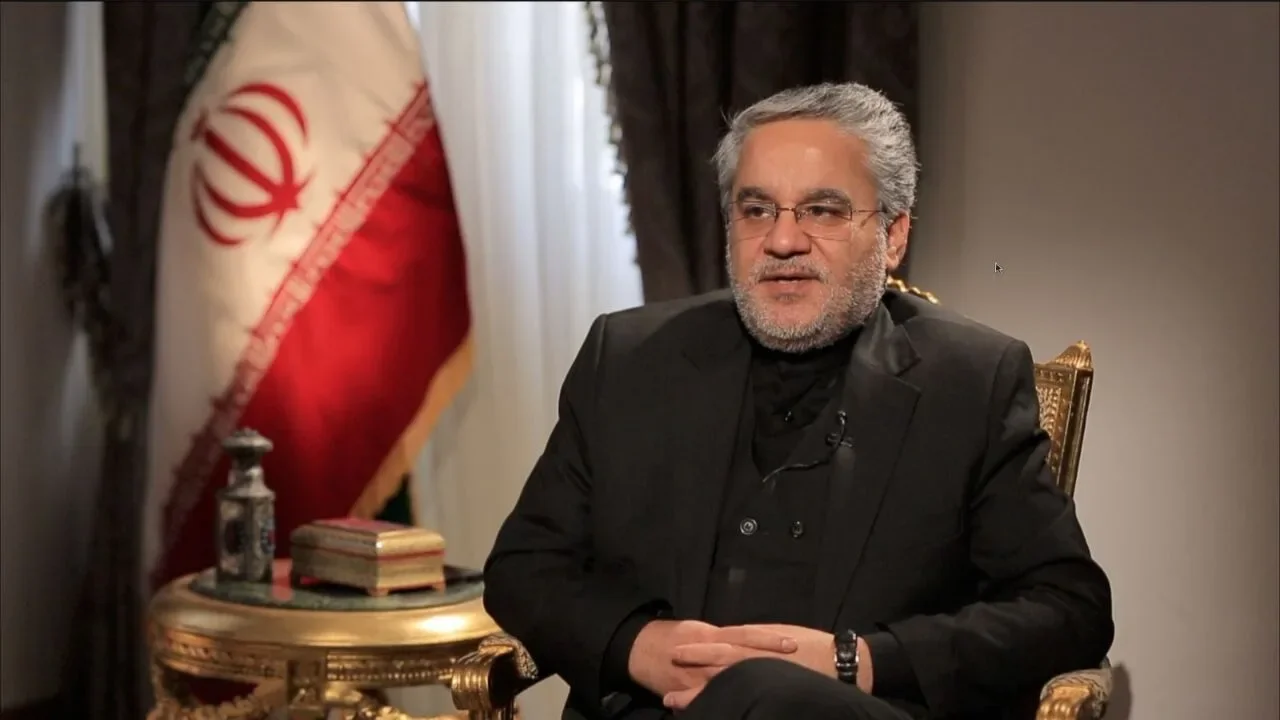
In a significant diplomatic disclosure, Mojtaba Ferdowsipour, Iran’s ambassador to Egypt, stated on Saturday that Tehran will not abandon its seven specific conditions for any potential agreement with the United States. According to reports from the state-run IRNA, these conditions include a total cessation of all regional conflicts and a fundamental lack of trust in Washington's commitment to past promises. This rhetoric comes at a time when regional tensions are at a boiling point, and the Iranian leadership appears to be doubling down on its 'resistance' narrative rather than seeking a quick path to the negotiating table.
For the average Iranian citizen and market observer, this statement serves as a cold reminder that sanctions relief remains a distant prospect. The insistence on these conditions, particularly the demand for an end to regional wars as a prerequisite, suggests that Tehran is positioning itself as a central arbiter of Middle Eastern stability. While such statements are often seen as opening salvos in long-term geopolitical posturing, they also dampen the optimism of those hoping for a swift economic opening. The market's reaction to such hardline stances is usually one of cautious stagnation or increased volatility, as the path toward normalizing international trade remains blocked by deep-seated mutual distrust.
Market Correction: Toman and Gold Prices Dip
Despite the stern diplomatic signals from Tehran, the domestic financial markets experienced a notable cooling period during Saturday’s sessions. The US Dollar, which has seen intense pressure in recent weeks, fell from 274,000 to 271,000 Toman, marking a 1.1% decline. This retreat was mirrored in the gold sector, where 18-karat gold per gram dropped 1.9% to 25,243,547 Toman, and the Emami gold coin saw a 2.4% decrease, landing at 260 million Toman. This downward movement suggests a temporary exhaustion of the recent bullish trend, as traders take profits or react to a lack of immediate military escalation despite the high-stakes rhetoric from military commanders.
This correction is vital for understanding the current psychology of the Iranian market. While the long-term trend is often dictated by inflation and geopolitical risk, short-term fluctuations are frequently driven by local liquidity and the immediate perception of threat. The fact that the Toman gained ground even as officials reiterated their "no-limit" response to aggression indicates that the market had perhaps over-priced the immediate risk of a wider conflict. However, with the USD sell rate still holding at 271,000 Toman, the cost of living remains historically high, and this minor dip offers only limited relief to consumers struggling with imported goods' prices.
Global Shifts: Ukraine Truce and OpenAI’s Funding Reality
On the international stage, two major stories are reshaping the narrative of conflict and innovation. In Ukraine, a rare humanitarian breakthrough occurred as a ceasefire allowed civilians to evacuate the besieged city of Oleshky. This truce, reportedly brokered through the intervention of US First Lady Melania Trump, allowed families to reunite after years of being trapped in Russia-occupied territories. For global markets, any sign of successful de-escalation—even if localized and humanitarian in nature—is viewed as a positive signal for regional stability and a potential reduction in the 'war premium' currently baked into energy and commodity prices.
Simultaneously, in the technology sector, OpenAI is reportedly lowering its funding target for its latest investment round. This move suggests that even the most dominant players in the artificial intelligence space are not immune to the cooling sentiment in venture capital. After a year of feverish hype, investors are beginning to demand more concrete paths to profitability and sustainable growth rather than just technological promises. For the broader tech market, this serves as a cautionary tale: the era of 'growth at any cost' is being replaced by a more disciplined approach to valuation, which could have ripple effects on startups and AI-focused firms globally.

Protests in London and Regional Security Concerns
In London, tensions flared as over 100 protesters gathered outside the US embassy to oppose the proscription of the group 'Palestine Action.' The Metropolitan Police made several arrests, alleging that the gathering was an attempt to purposefully commit crimes under the new legal framework. This event highlights the growing domestic friction in Western nations regarding Middle Eastern policy, a friction that often influences the diplomatic maneuvering of world powers. As public pressure mounts on Western governments, their ability to maintain a unified front on regional sanctions and military aid becomes increasingly complicated.
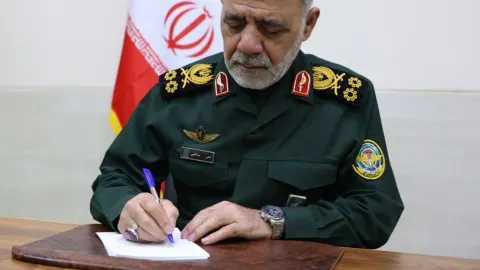
Back in the Persian Gulf, the security situation remains delicate. While missing crew members from a fishing boat near Qeshm Island were recently found following an incident involving US forces, the rhetoric from Iranian military officials remains aggressive. Major General Ali Abdollahi has pledged a "firm and decisive" response to any perceived aggression, stating that Iran's retaliatory capabilities have no geographical limits. This constant cycle of threat and counter-threat continues to be the primary driver of the 'risk-on' sentiment in the Iranian economy, keeping the Toman under structural pressure regardless of daily price fluctuations.
Frequently Asked Questions
هفت شرط ایران برای توافق با آمریکا چیست؟
چرا قیمت دلار علیرغم تهدیدهای نظامی کاهش یافت؟
نقش ملانیا ترامپ در آتشبس اوکراین چه بود؟
How International Sanctions Drive Currency Devaluation and Gold Prices in Iran
International sanctions have become a defining feature of Iran’s macro‑economic landscape. Since the early 2000s, successive U.S. and EU measures have restricted Iran’s ability to export oil, access the global financial system, and attract foreign investment. When a country cannot sell its primary export or borrow abroad, the supply of foreign currency—especially dollars and euros—sharply contracts, while the demand for the domestic unit, the toman (officially the rial), remains high. This imbalance forces the central bank to let the exchange rate slide, turning the toman into a rapidly depreciating currency.
The mechanics of devaluation are straightforward: fewer dollars entering the market mean the rial must be sold at a higher price to obtain the same amount of foreign currency. In practice, the official rate often lags behind a much higher market (or “black‑market”) rate, prompting businesses and individuals to seek alternative stores of value. Capital flight intensifies as Iranians move money abroad or into assets that are less vulnerable to sanctions, further eroding confidence in the national currency.
Gold, by contrast, is a globally traded commodity that retains value independent of any single nation’s monetary policy. When the toman weakens, Iranians traditionally turn to gold as a hedge against inflation and currency risk. Consequently, gold prices in Tehran tend to surge in tandem with sharp drops in the exchange rate, creating a feedback loop: higher gold prices reinforce the perception that the rial is losing purchasing power, prompting even more demand for the metal.
Negotiations with the United States, such as the recent “seven hard conditions” set by Tehran, are therefore more than diplomatic bargaining chips—they are attempts to restore some certainty to the financial system. If sanctions are eased, foreign currency inflows could rise, the rial might stabilize, and the speculative demand for gold could recede. Understanding this interplay helps explain why both the toman and gold prices can move dramatically in response to political headlines.
Topics
Related Articles