Hormuz Tanker Fire Ignites Security Fears; Binance Recovers 90% of $6.3B Loot as Toman Cools
آتشسوزی نفتکش در هرمز و بازگشت ۹۰ درصدی داراییهای بایننس؛ آرامش شکننده در بازار دلار
A tanker strike in the Strait of Hormuz has reignited maritime security concerns, while Binance CEO claims the exchange has replenished nearly all funds from its record-breaking heist. Despite the geopolitical heat, the Toman saw a 1.5% correction today.
At time of publishing
USD
270,000
Toman
Gold 18K
25.36M
Toman / gram
Bitcoin
$77,507
US Dollar
Tether
269,178
Toman
Maritime Escalation: Tanker Strikes Mines East of Hormuz
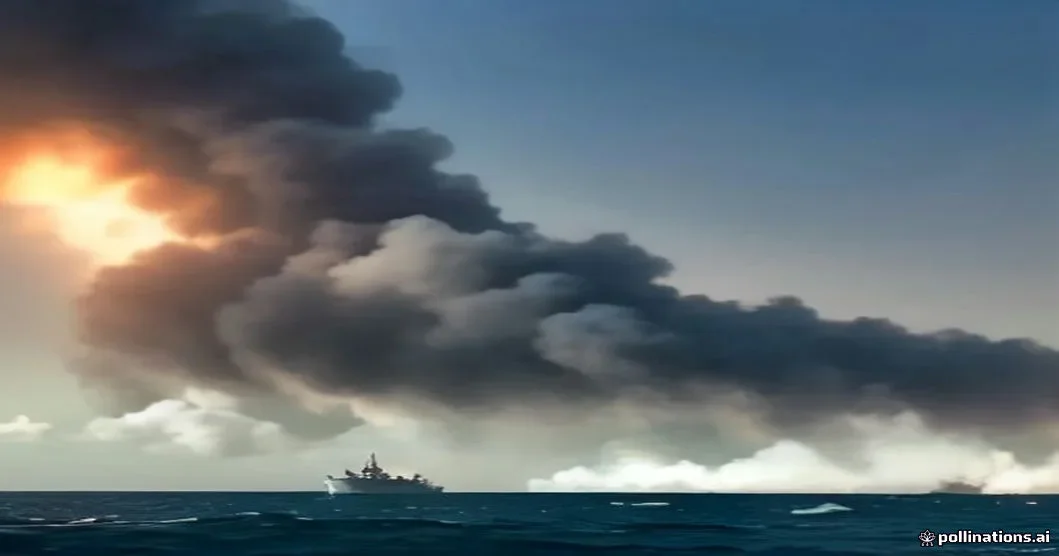
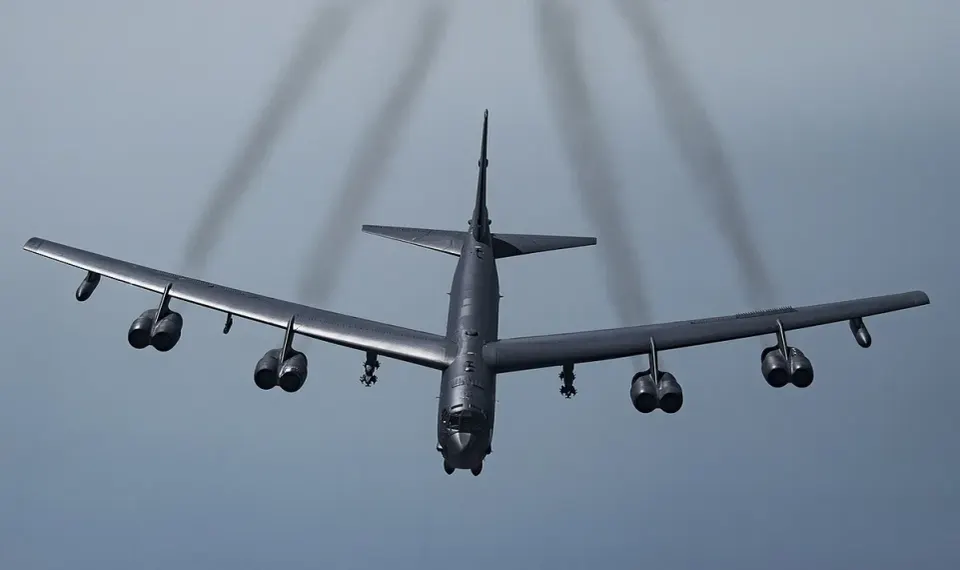
Geopolitical tensions in the Persian Gulf reached a fever pitch on Saturday night after the Iranian Army Navy reported that an oil tanker caught fire following a strike on naval mines. According to state media, the vessel was sailing through what the military described as an "unauthorized and unsafe area" east of the Strait of Hormuz. While the identity of the tanker and its cargo remain subject to verification, the incident serves as a stark reminder of the volatile security landscape in the world's most critical oil chokepoint. The framing of the event by official sources suggests a hardening of maritime enforcement, which could signal further disruptions to international shipping lanes in the coming days.
For the Iranian market, such incidents typically act as a catalyst for currency volatility. However, the timing of this strike—occurring late on Saturday—means the full weight of the news may not be felt until the next trading session. Traders are currently weighing the risk of a broader maritime blockade against the current technical correction in the Toman. If insurance premiums for regional shipping spike in response to this fire, we can expect a direct inflationary pass-through to the price of imported goods, further pressuring the domestic economy already struggling with sanctions-induced isolation.
Binance Restores $5.6 Billion as Bitcoin Turns Eighteen
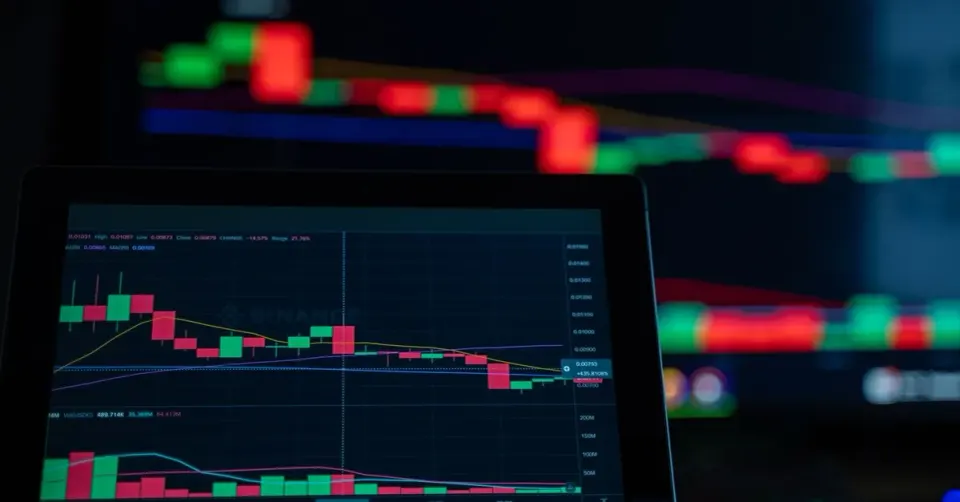
In a surprising turn for the global crypto community, Binance CEO announced that the exchange has successfully "replenished" 90% of the staggering $6.3 billion stolen in a recent record-breaking heist. The exchange is reportedly using its own corporate reserves to cover the losses, ensuring that retail users are not left holding the bag. This move is seen as a desperate but necessary attempt to maintain trust in the world’s largest exchange, especially as the remaining 10% of the loss consists of less liquid assets that are harder to replace immediately. The recovery comes at a symbolic moment, as Bitcoin officially turns 18 years old today, navigating a landscape increasingly defined by high-stakes cyber warfare and institutional fragility.
For Iranian crypto enthusiasts, who often use Binance or its liquidity pools indirectly, this news provides a much-needed sigh of relief. The stability of major exchanges is a prerequisite for the local USDT market, which serves as a shadow peg for the Toman. Had Binance failed to cover these losses, the resulting liquidity crunch could have sent Bitcoin—currently trading at $77,507—into a tailspin, dragging the Toman-denominated crypto market down with it. Instead, the market is showing resilience, even as cyber threats like "crypto wrench attacks" and home invasions for digital assets reach new highs in 2026.
Global Unrest: From French Protests to Australian AI Wars
While the Middle East remains a flashpoint, the West is grappling with its own internal fractures. In France, the interior ministry reported that 320,000 people took to the streets this Saturday in a fresh round of protests against the government. Clashes in Paris highlight a growing sense of social exhaustion that is beginning to weigh on the Euro's sentiment. Simultaneously, in Australia, Prime Minister Anthony Albanese is facing a creative rebellion in his own backyard. Artists and creators in Sydney are uniting against a government proposal that would allow AI companies to scrape copyrighted content without compensation. This battle over "digital sovereignty" is becoming a global trend, as creative economies fight to survive the onslaught of generative AI.
These seemingly disparate events—protests in Paris and copyright battles in Sydney—contribute to a global "risk-off" environment. When major economies like France face domestic instability, or when tech-heavy nations like Australia enter legal deadlocks over AI, capital tends to seek safety in hard assets. This explains why the global gold ounce remains elevated at $3,876.40. For the Iranian observer, this global chaos is a double-edged sword: it keeps gold prices high while simultaneously weakening the international diplomatic appetite for resolving regional crises, leaving the Middle East in a state of perpetual low-level conflict.
Market Analysis: The Toman’s Fragile Correction
Despite the alarming news from the Strait of Hormuz, the Iranian currency market experienced a downward correction on Saturday, October 31, 2026. The USD/IRR sell rate moved from 274,000 to 270,000, representing a 1.5% decrease over the last 24 hours. This retreat from recent peaks suggests that the market had already priced in a significant amount of geopolitical risk and is now entering a technical cooling phase. Similarly, the price of 18k gold per gram fell from 25,739,877 to 25,358,973 Toman (-1.5%), mirroring the currency's movement. The Emami coin saw an even sharper decline, dropping 2.4% to settle at 260,000,000 Toman.
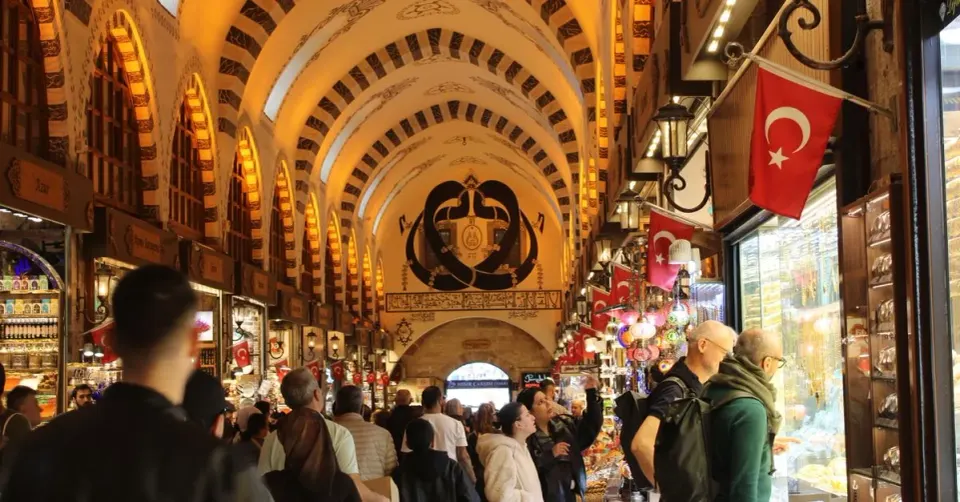
This cooling trend should be viewed with caution. The gap between the USD buy rate (268,402) and sell rate (270,000) remains narrow, indicating high liquidity and active trading. While the immediate reaction to the tanker fire was muted, any sign of retaliatory action or a further escalation in the Persian Gulf could easily wipe out today’s gains. Investors are currently caught between a technical need for a price correction and a fundamental reality of increasing regional danger. For now, the 270,000 Toman level for the Dollar acts as a critical psychological support that will be tested as soon as the markets reopen tomorrow morning.
Frequently Asked Questions
چرا با وجود حادثه در تنگه هرمز، قیمت دلار کاهش یافت؟
آیا دارایی کاربران ایرانی در بایننس پس از هک اخیر امن است؟
تاثیر تظاهرات فرانسه بر بازار ارز ایران چیست؟
Why the Strait of Hormuz Matters: A Key Chokepoint in Global Energy Security
The Strait of Hormuz is a narrow waterway that links the Persian Gulf with the Gulf of Oman, measuring roughly 21 nautical miles (about 39 km) at its widest and narrowing to just 2 nautical miles (3.7 km) at its tightest point. This geographic bottleneck lies between the Iranian coast to the north and the United Arab Emirates and Oman to the south, making it one of the world’s most strategically important maritime passages.
Despite its modest size, the strait handles an outsized share of global energy traffic. Roughly 20 percent of the world’s petroleum—about 21 million barrels per day—and around 30 percent of liquefied natural gas (LNG) shipments transit the Hormuz corridor each year. Any disruption can ripple through oil markets, influencing prices from Houston to Hong Kong and affecting the balance sheets of both oil‑exporting and oil‑importing nations.
Security concerns are therefore a constant feature of the region. Iran has repeatedly threatened to close the strait in response to geopolitical pressures, while the United States maintains a naval presence (the Fifth Fleet) to ensure freedom of navigation. Incidents such as the 2024 tanker fire that sparked a brief evacuation of vessels underscore how quickly a localized event can raise alarms about broader maritime security.
The economic fallout of a closure would be immediate: oil prices would likely surge, shipping insurers would hike premiums, and some carriers might reroute around the Cape of Good Hope—a detour that adds weeks and thousands of miles to voyages. These costs would be passed on to consumers worldwide, highlighting how a single chokepoint can amplify global economic volatility.
Looking ahead, policymakers are exploring ways to reduce dependence on the Hormuz route, from expanding overland pipelines to investing in alternative energy sources. Yet, given its entrenched role in the global supply chain, the strait will remain a focal point of diplomatic negotiations and security calculations for the foreseeable future.
Topics
Related Articles