Memorial in Mexico for Minab Victims Amid Tensions; Binance Reopens After Record $6.3B Hack
یادبود قربانیان میناب در مکزیک؛ بازگشایی تدریجی بایننس پس از هک ۶.۳ میلیارد دلاری
Iran's embassy in Mexico honors 168 children killed in regional conflicts as Binance begins phased withdrawals following a massive $6.3 billion hack. Meanwhile, global unrest grows as France enters its third week of 'Act III' protests over the cost of living.
At time of publishing
USD
272,500
Toman
Gold 18K
25.66M
Toman / gram
Bitcoin
$78,046
US Dollar
Tether
272,568
Toman
A Symbolic Memorial in Mexico City
In a striking display of international solidarity and cultural syncretism, the Iranian Embassy in Mexico has utilized the traditional 'Day of the Dead' celebrations to honor 168 Iranian children from Minab who were victims of military aggression. The memorial, reported by state media, comes at a time of heightened geopolitical friction between Tehran and the Western-aligned bloc. By embedding this remembrance within one of Mexico's most sacred and visible traditions, Iranian diplomats are attempting to project a narrative of victimhood and resilience to a Latin American audience, bypassing traditional Western media channels.
This move is more than just a cultural gesture; it signifies Iran's ongoing 'pivot to the Global South' strategy. As relations with Europe and the United States remain fractured, Tehran is doubling down on soft power initiatives in regions like Latin America and Southeast Asia. The choice of Mexico is particularly poignant given its proximity to the United States, suggesting an effort to build emotional and political bridges in Washington's own backyard. For Iranian citizens, such events are framed as proof that the nation's grievances are recognized globally, even as domestic economic pressures continue to mount.

Binance Navigates the Aftermath of a $6.3 Billion Heist
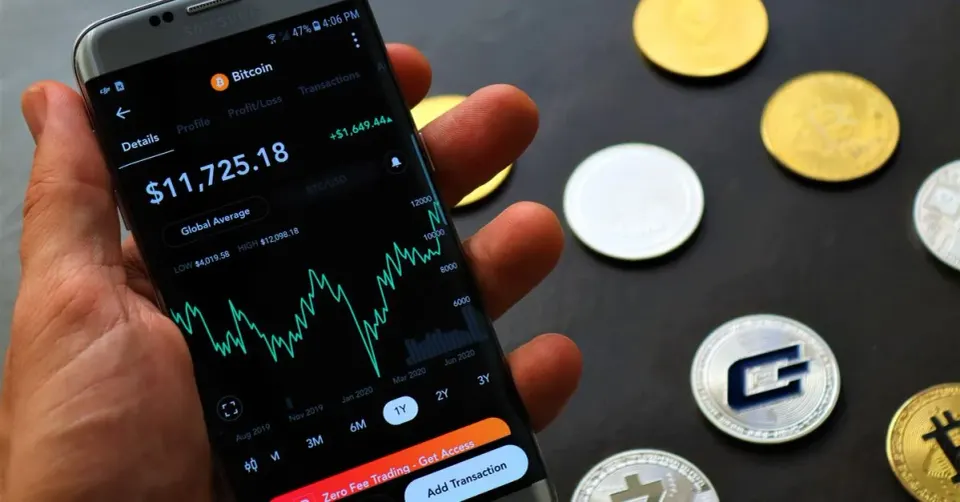
Binance, the world’s largest cryptocurrency exchange, has officially begun the first phase of resuming withdrawals after a staggering $6.3 billion hack that has sent shockwaves through the digital asset industry. The FBI has formally attributed the breach to North Korean-linked cyber actors, specifically the 'TraderTraitor' group, highlighting the evolving sophistication of state-sponsored crypto theft. Binance leadership has moved quickly to reassure users, claiming that they have already covered 95% of the stolen tokens through their internal insurance funds, though the market remains on edge regarding the long-term solvency and security protocols of major exchanges.
For Iranian crypto traders, who often operate in a grey market due to international sanctions, the Binance hack is a sobering reminder of the systemic risks inherent in centralized platforms. While the resumption of withdrawals is a positive sign, the incident has fueled a spike in the demand for self-custody solutions and hardware wallets within the Iranian community. The volatility in the crypto space today is mirrored by the local currency market, where USDT (Tether) is currently trading at 272,568 Toman, reflecting a persistent premium as investors seek refuge from the depreciating Rial.
Global Unrest and the Economic Engine of Sport
While the 2026 Youth Olympic Games have successfully kicked off in Dakar, Senegal—marking the first time an Olympic event has been held on the African continent—the celebration is shadowed by an intense economic crisis. Senegal's leadership is attempting to use the Games as an 'economic and social engine' to jumpstart growth, yet the contrast between the lavish opening ceremony and the daily struggles of the Senegalese population is stark. This tension is not unique to Africa; in Europe, France is witnessing its third consecutive weekend of 'Act III' protests. Hundreds of thousands have taken to the streets in Paris, Marseille, and Bordeaux to demand relief from the rising cost of living and better funding for public services.
These global protests signal a broader trend of 'cost-of-living' geopolitics that is directly impacting market sentiment. In Iran, the ripple effects are felt through the currency and gold markets. On this Sunday, November 1, 2026, the USD sell rate in Tehran moved from 270,000 to 272,500 Toman, a 0.9% increase in just 24 hours. Similarly, Gold 18k rose by 1.2% to reach 25,659,079 Toman per gram. As citizens across the globe from Dakar to Paris and Tehran grapple with inflation, the demand for hard assets like gold and stable foreign currencies continues to drive local prices to new heights.
Market Realities: Gold and Currency Trends
The Iranian domestic market remains in a state of high sensitivity to both regional news and global economic shifts. The Emami coin has climbed to 262,500,000 Toman, a 1.0% rise from yesterday's 260,000,000. This steady climb in gold prices is a direct response to the uncertainty surrounding diplomatic efforts in the region and the massive scale of the Binance hack, which has temporarily dampened enthusiasm for purely digital speculative assets. Investors are returning to the 'tried and true' safety of physical gold, which is reflected in the global ounce price holding firm at $3,876.40.
What this means for the average reader is a continued tightening of purchasing power. With the USD trending upward and gold following suit, the cost of imported goods and general services is expected to rise in the coming weeks. The 'bridge' between these global events—whether it's a hack in the digital world or a protest in the streets of Europe—and the price of bread in Tehran is the exchange rate. As long as geopolitical tensions remain high and global financial infrastructure shows vulnerability, the pressure on the Toman is unlikely to subside.
Frequently Asked Questions
آیا داراییهای کاربران ایرانی در بایننس پس از هک ایمن است؟
چرا قیمت طلا در ایران بیش از دلار رشد کرده است؟
اهمیت مراسم سفارت ایران در مکزیک چیست؟
State-Sponsored Cybercrime: North Korea's Digital Heists for Funding
State-sponsored cybercrime represents a critical and evolving threat in the digital age, where national governments leverage sophisticated hacking capabilities to achieve strategic objectives. North Korea stands out as a prominent actor in this arena, widely accused of orchestrating large-scale cryptocurrency hacks to circumvent international sanctions and fund its illicit weapons programs. These operations, often attributed to groups like the Lazarus Group and designated by the FBI as "TraderTraitor," target vulnerabilities in cryptocurrency exchanges and decentralized finance platforms, siphoning vast sums of digital assets.
These cyber operations are far from simple digital burglaries; they are meticulously planned and executed campaigns. North Korean state-sponsored actors employ advanced social engineering tactics, phishing schemes, and custom malware to gain access to sensitive systems. Once inside, they move swiftly to transfer stolen cryptocurrencies through complex laundering networks, often involving multiple exchanges and mixing services, making attribution and recovery incredibly challenging for law enforcement agencies worldwide. The sheer scale of these thefts, sometimes totaling hundreds of millions of dollars from a single incident, underscores their sophistication and the significant resources dedicated to them.
The primary motivation behind North Korea's digital heists is economic survival and military advancement. Facing stringent international sanctions designed to curb its nuclear and ballistic missile programs, Pyongyang has turned to cybercrime as a vital source of foreign currency. The stolen funds are then allegedly used to procure critical components, finance research and development, and sustain the regime's operations, directly undermining global non-proliferation efforts and international stability. This makes cryptocurrency security a matter of national security for many countries.
Combating state-sponsored cybercrime requires a multi-faceted approach. International law enforcement agencies, including the FBI, actively track and disrupt these groups, issuing advisories and collaborating with cybersecurity firms and financial institutions. However, the anonymous nature of cryptocurrencies and the sovereign boundaries that protect state actors present significant hurdles. Enhanced cybersecurity measures, robust regulatory frameworks for digital assets, and strengthened international cooperation are essential to mitigate this persistent threat and prevent rogue states from exploiting the global financial system for their illicit agendas.
Lazarus Group
en.wikipedia.org
North Korean Hackers Behind $625 Mln Ronin Theft - U.S. Treasury
reuters.com
FBI Identifies North Korean Cyber Actors as Responsible for Theft of $620 Million in Ethereum
fbi.gov
Security Council Committee established pursuant to resolution 1718 (2006) concerning the Democratic People's Republic of Korea
un.org