Maritime Redline: Iran Files Port Attack Evidence with IMO as Toman Hits 272,000
شکایت ایران به سازمان جهانی دریانوردی همزمان با صعود دلار به ۲۷۲ هزار تومان
Iran has submitted formal evidence of attacks on its maritime infrastructure to the IMO, heightening regional tensions. Meanwhile, the Iranian Toman continues its slide as the USD reaches 272,000, and UK politics sees a major shift with calls to rejoin the EU.
At time of publishing
USD
272,000
Toman
Gold 18K
25.58M
Toman / gram
Bitcoin
$77,925
US Dollar
Tether
272,319
Toman
Iran Takes Maritime Grievances to the International Stage
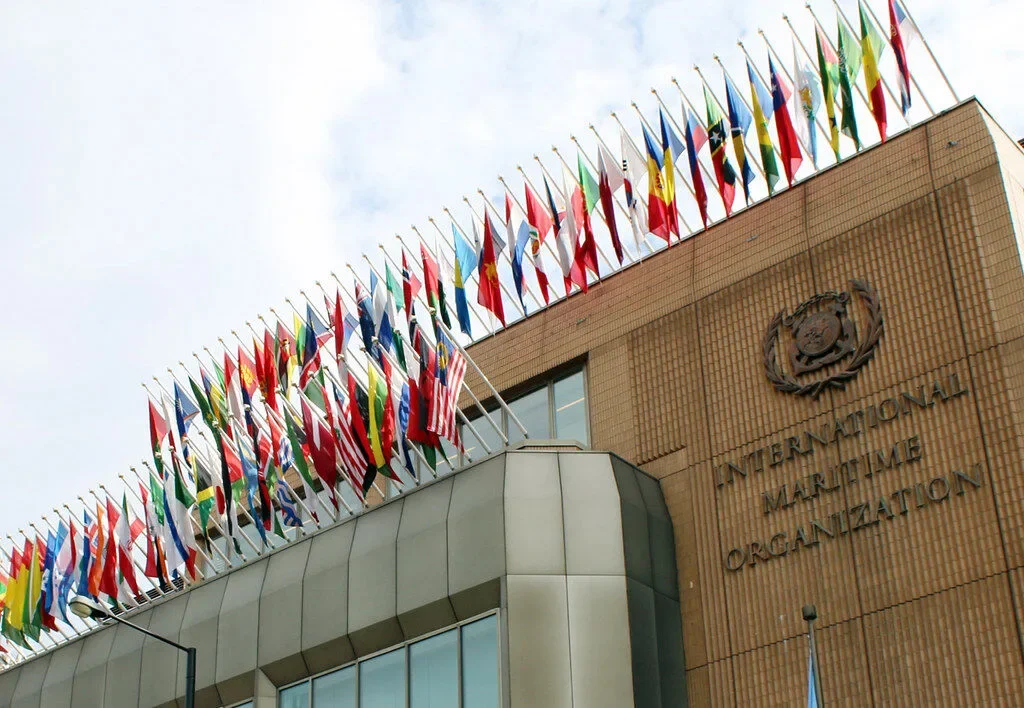
In a significant escalation of diplomatic and legal maneuvering, Iranian state media reported that the Islamic Republic has formally submitted a cache of documents and photographic evidence to the International Maritime Organization (IMO) in London. The filing allegedly details specific attacks by U.S. and Israeli forces against Iranian ports, civilian vessels, and critical maritime infrastructure. This move is framed by Tehran as a warning to the international community that the safety of the Persian Gulf, the Sea of Oman, and the vital Strait of Hormuz is being systematically compromised. By taking this to the IMO, the government is attempting to build a legal narrative that places the onus of any future maritime disruptions on its adversaries.
The implications of this filing extend far beyond the courtroom or the halls of the United Nations. For the global shipping industry, any formal acknowledgment of targeted attacks on port infrastructure signals a massive increase in risk premiums. If the IMO or international insurers perceive these routes as active conflict zones, the cost of shipping everything from oil to consumer goods through the Strait of Hormuz will skyrocket. For the average Iranian, this translates to further inflationary pressure, as the cost of imported staples is inextricably linked to the safety and efficiency of the country’s southern ports. The government's claims, while yet to be independently verified by international observers, serve as a stark reminder of how fragile the regional status quo remains.
The Toman’s Retreat: Markets React to Geopolitical Friction
As news of the IMO filing and continued regional friction filtered into the Tehran bazaar today, Sunday, November 1, 2026, the domestic currency market showed immediate signs of strain. The US Dollar (USD) moved from 270,000 to 272,000 Toman, marking a 0.7% increase in just 24 hours. This move reflects a persistent 'security premium' that investors are placing on hard currency as diplomatic tensions refuse to subside. Gold followed a similar upward trajectory, with 18k gold rising from 25,358,973 to 25,578,281 Toman per gram, a 0.9% jump. The Emami coin also breached the 262 million Toman mark, gaining 1.0% since yesterday.
This market behavior suggests that the Iranian public and local traders are increasingly skeptical of short-term stabilization. When the state enters a formal dispute regarding maritime safety, the market anticipates potential disruptions in trade and oil revenue. Gold, as always, acts as the primary hedge for local capital. The fact that the Toman is losing ground even as global gold prices remain volatile indicates that the primary driver here is domestic and regional anxiety rather than just international market trends. For households, this continues the painful cycle of eroding purchasing power, making even basic financial planning a challenge in a high-volatility environment.
---
A British U-Turn? The Growing Chorus to Rejoin the EU
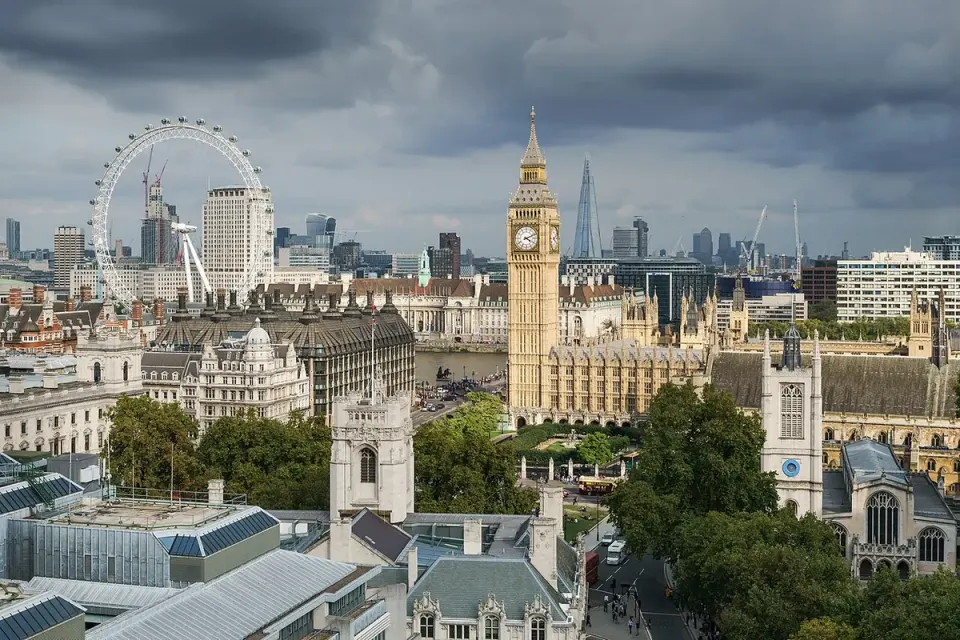
Across the globe, a major shift is occurring in British politics that could redefine European trade for the next decade. Rachel Reeves, the former Chancellor, has made her first major intervention since leaving the Treasury, stating bluntly that Brexit has made the United Kingdom "poorer, weaker, and less secure." Supporting the current leadership's softer stance toward Europe, Reeves argued that the UK’s future must eventually lie back within the European Union. This marks a significant departure from the cautious 'make Brexit work' rhetoric of previous years and suggests that the economic reality of trade barriers is finally forcing a political reckoning in London.
For global markets, a UK move back toward the EU single market or customs union would be a massive stabilizing force. Since the 2016 referendum, the British economy has struggled with lagging investment and labor shortages, many of which are directly attributed to the loss of frictionless trade with its largest partner. While a full re-entry into the EU remains a distant and politically fraught prospect, the mere discussion of it by high-ranking officials signals a pivot toward pragmatism. Investors are watching closely to see if this leads to a formal renegotiation of trade deals, which would likely bolster the British Pound and provide a much-needed boost to European economic sentiment.
Global Snapshots: From Reparations to Regional Elections
In other international developments, the UK government is currently navigating a sensitive diplomatic minefield regarding its colonial past. Ministers have signaled that while Britain may acknowledge its 'complicated history' in the slave trade, this will not lead to direct financial reparations. This stance, delivered ahead of a Commonwealth leaders' meeting, highlights the ongoing tension between historic accountability and modern fiscal constraints. The debate is not just about history; it is about Britain's soft power and its ability to maintain influence in the Global South, where demands for restorative justice are becoming increasingly organized and vocal.
Meanwhile, the geopolitical landscape in South America and the Middle East remains in flux. In Brazil, the reelection of Luiz Inácio Lula da Silva is being analyzed as a consolidation of the 'pink tide,' while in Israel, Benjamin Netanyahu continues to navigate a complex political landscape to maintain his grip on power following razor-thin election margins. These shifts, captured in recent global imagery, underscore a world in a state of constant political realignment. For the Iranian reader, these events are more than just distant news; they represent the shifting alliances of potential trade partners and the evolving nature of international diplomacy in a multipolar world.
Frequently Asked Questions
Why did Iran file a complaint with the IMO now?
How does the IMO filing affect the price of the Dollar in Tehran?
Is the UK actually rejoining the European Union?
What is the 'security premium' mentioned in the gold market?
The Geopolitical Significance of Maritime Choke Points: The Strait of Hormuz
Maritime choke points are narrow sea passages that are crucial for international navigation and trade, making them areas of immense strategic importance. These natural bottlenecks concentrate shipping traffic, particularly for vital resources like oil and natural gas, and any disruption can have far-reaching global economic and geopolitical consequences. Understanding these geographical features is key to comprehending many international tensions and conflicts.
One of the most critical maritime choke points in the world is the Strait of Hormuz, located between Oman and Iran. This narrow waterway connects the Persian Gulf to the Arabian Sea and, by extension, to the global ocean. It is a lifeline for global energy markets, as approximately one-fifth of the world's total petroleum consumption, and a significant portion of its liquefied natural gas (LNG), passes through its waters daily. Its strategic position makes it indispensable for oil-producing nations in the Middle East to export their resources.
The Strait's narrowness – at its tightest point, it is only about 21 nautical miles (39 kilometers) wide, with shipping lanes just two miles wide in each direction – makes it particularly vulnerable. This geographical reality means that any disruption, whether due to military conflict, piracy, or political instability, can severely impede the flow of energy and goods. Such interruptions can lead to spikes in global oil prices, impacting economies worldwide and fueling international diplomatic efforts to ensure its security.
The tensions often seen in the Persian Gulf, including incidents like port attacks or naval confrontations, are frequently rooted in the strategic control and security of the Strait of Hormuz. International bodies, including the International Maritime Organization (IMO), play a role in setting standards for maritime safety and security, but the ultimate responsibility for maintaining peace and ensuring safe passage often falls to regional and international naval forces. The stability of this choke point is thus a constant concern for global policymakers, energy markets, and shipping industries alike.
Topics
Related Articles