
Tehran Pushes 48-Hour Ceasefire Plan as Trump’s MAGA Base Fractures Over Economic Toll
پیشنهاد طرح ضربتی آتشبس ۴۸ ساعته تهران همزمان با شورش در بدنه حامیان ترامپ
Tehran has proposed an accelerated two-day ceasefire window to end the current conflict, even as Donald Trump faces a historic low in approval ratings. While global oil prices have cratered by 7%, the Tehran gold market remains resilient, signaling deep-seated skepticism among local traders.
At time of publishing
USD
271,800
Toman
Gold 18K
25.77M
Toman / gram
Bitcoin
$76,909
US Dollar
Tether
271,736
Toman
The Domestic Toll: Clancy Retrial and the Cracks in the American Shield
As the United States approaches a critical midterm election cycle, the domestic legal and political landscape is showing signs of extreme fatigue. Prosecutors have recently hinted at a potential retrial for Lindsay Clancy, a case that has gripped the national consciousness, with Judge William Sullivan suggesting a timeline as early as March 2027. While a criminal trial might seem distant from the geopolitical theater, it serves as a potent symbol of the domestic distractions and judicial pressures weighing on the American public. For Iranian observers, these internal American frictions are more than just tabloid news; they represent a thinning of the political capital required for Washington to maintain a prolonged military or economic stance in the Middle East.
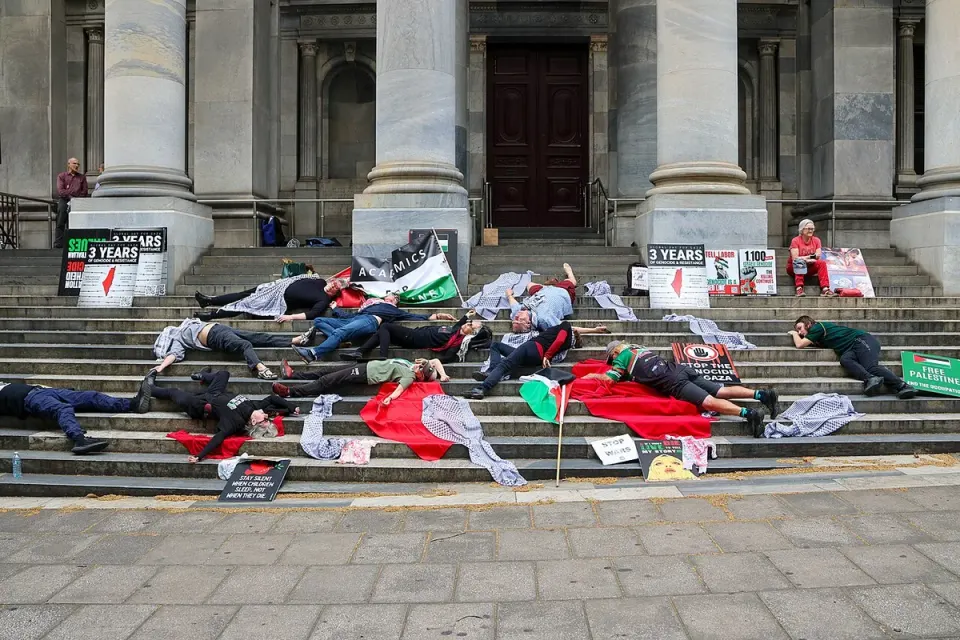
The strain is not limited to the courtroom. Donald Trump, once thought to have an iron grip on his 'MAGA' base, is witnessing a significant fracture in his coalition. With approval ratings languishing at 32%, a historic low for this stage of a presidency, the 'America First' promise is being tested by the harsh reality of the war in Iran and the ongoing blockade of the Strait of Hormuz. Supporters who once cheered for a hardline stance are now grappling with the domestic fallout: rising energy costs, supply chain disruptions, and the looming shadow of the Epstein files scandal. This internal instability suggests that the U.S. administration may be more desperate for a diplomatic exit than its rhetoric suggests, potentially giving Tehran more leverage in the coming days.
Tehran’s 48-Hour Gambit and the Oil Market’s Collapse
In a significant diplomatic escalation, Tehran has reportedly condensed its proposed ceasefire plan, suggesting it could be implemented within a mere 48 hours. This move, communicated through regional mediators, signals a strategic pivot by the Iranian government to capitalize on the growing domestic pressure within the United States. By offering a rapid de-escalation window, Tehran is placing the ball firmly in Washington's court, forcing the Trump administration to choose between a quick diplomatic win before the midterms or continuing a conflict that is hemorrhaging support among its most loyal voters. This accelerated timeline is designed to bypass lengthy bureaucratic delays and test the true appetite for peace on the international stage.
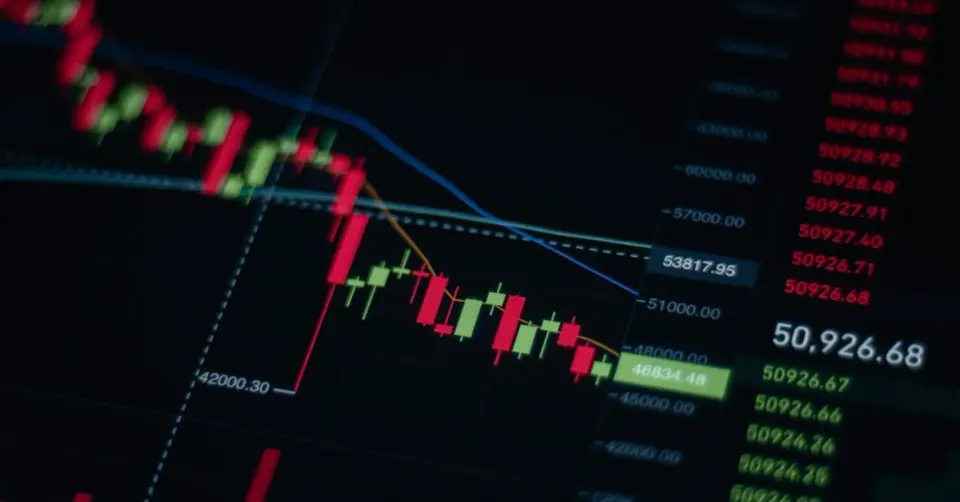
The market reaction to these diplomatic whispers has been swift and violent in the energy sector. Crude oil prices have plummeted, falling below the $100 per barrel mark to reach approximately $98. Retail gas prices in the U.S. have already begun to follow suit, dropping to $4.12 a gallon. This 7% slide in oil prices is a direct reflection of the market's hope that a resolution to the Iran conflict is finally within reach. However, the crypto market has failed to join the rally; Bitcoin (BTC) has struggled to maintain its footing, actually dropping toward the $76,000 level despite the cooling of geopolitical tensions. This divergence suggests that while energy traders are optimistic, the broader speculative market remains wary of a 'fake out' or a sudden breakdown in talks.
Tehran’s Gold Defiance: Why Local Markets Aren't Selling Yet
Despite the global collapse in oil prices and the talk of a 48-hour ceasefire, the Tehran market is telling a different story. The price of the Emami gold coin rose by 1.0% today, reaching 263,500,000 Toman, while 18k gold edged up 0.2% to 25,774,504 Toman per gram. This resilience in the face of 'peace news' indicates a deep-seated lack of trust among Iranian investors. Historically, the Toman market has been slow to price in diplomatic breakthroughs until concrete actions—such as the lifting of sanctions or the physical movement of tankers—are observed. For the average Iranian saver, gold remains the only reliable hedge against a diplomatic process that has failed them many times before.
Adding to the global sense of unease is a sophisticated wave of cyber-sabotage targeting European food supply chains. Supermarket fridges and freezers across seven European countries have been remotely hacked, with thermostats cranked up to 50°C in a deliberate attempt to spoil food stocks and undermine consumer confidence. This 'gray zone' warfare highlights that even if a kinetic ceasefire is reached in the Middle East, the broader global conflict is shifting toward infrastructure and economic disruption. For readers in Iran, this is a reminder that the path to economic stability is rarely a straight line; as global powers clash in the digital and physical realms, the pressure on local currency and commodity prices is likely to remain volatile regardless of the headlines from the diplomatic front.

Frequently Asked Questions
چرا قیمت سکه در تهران با وجود اخبار صلح کاهش نیافت؟
دلیل اصلی سقوط ۷ درصدی قیمت نفت چه بود؟
حمله سایبری به سوپرمارکتهای اروپا چه ارتباطی به تنشهای فعلی دارد؟
The Strategic Importance of the Strait of Hormuz
The Strait of Hormuz is a narrow waterway that connects the Persian Gulf with the open ocean, and it is one of the world’s most critical maritime chokepoints. Roughly 20% of global oil consumption passes through this 21‑mile‑wide channel each day, making it a linchpin for energy‑dependent economies ranging from the United States to China. Because the strait lies between Iran and the United Arab Emirates, any disruption—whether from military tension, piracy, or a deliberate blockade—can instantly reverberate through oil markets, causing price spikes and prompting swift diplomatic responses.
The geography of the strait amplifies its vulnerability. Its narrowness, shallow depths in parts, and proximity to land‑based missile installations mean that even a small fleet of fast attack craft can threaten commercial tankers. Historically, Iran has used the threat of closing the strait as leverage during negotiations, most famously in the 2011‑2012 “Operation Praying Mantis” skirmishes and the 2019 attacks on oil tankers. These incidents illustrate how control over a physical bottleneck can become a powerful bargaining chip in broader geopolitical disputes.
From an economic perspective, the strait’s importance is reflected in the concept of “price elasticity of supply” for oil. When a chokepoint is threatened, the perceived risk of supply interruption reduces the effective elasticity, causing even modest supply shocks to generate outsized price movements. This mechanism helped fuel the dramatic oil price crash of 2026, when speculative traders over‑reacted to rumors of a Hormuz blockade, underscoring how market psychology intertwines with physical infrastructure.
International law also plays a role. Under the United Nations Convention on the Law of the Sea (UNCLOS), the strait is classified as an international strait, granting the right of transit passage to all vessels, including warships. However, enforcement relies on the cooperation of bordering states, creating a delicate balance between sovereign rights and global commerce. Diplomatic efforts, such as the 2024 Gulf Cooperation Council (GCC) maritime security framework, aim to keep the waterway open while managing regional tensions.
Understanding the strategic dynamics of the Strait of Hormuz helps explain why headlines about ceasefire proposals, oil price crashes, and regional hacks often converge on this narrow channel. It is not merely a geographic feature but a pivotal node where geopolitics, economics, and international law intersect, shaping the daily lives of billions who rely on affordable energy.
Topics
Related Articles