Blue Wave Hits Washington as Tehran Unveils 'Kill Trump' Banners: Markets React to US Midterm Shift
موج آبی در واشینگتن و بنرهای تهدیدآمیز در تهران؛ واکنش بازارها به نتایج انتخابات آمریکا
As Democrats seize control of the US Congress in a historic 'Blue Wave,' Tehran marks the anniversary of the 1979 embassy seizure with aggressive rhetoric against Donald Trump. Despite the geopolitical tension, the Iranian Toman saw a slight recovery while gold prices surged to new heights.
At time of publishing
USD
269,200
Toman
Gold 18K
25.99M
Toman / gram
Bitcoin
$78,485
US Dollar
Tether
268,755
Toman
The 'Blue Wave' and the Tehran Rhetoric
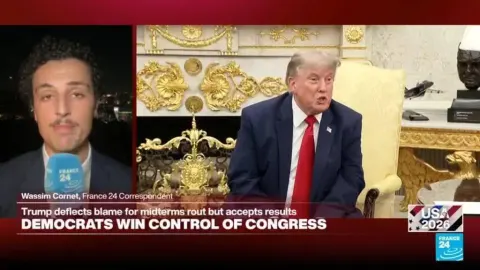
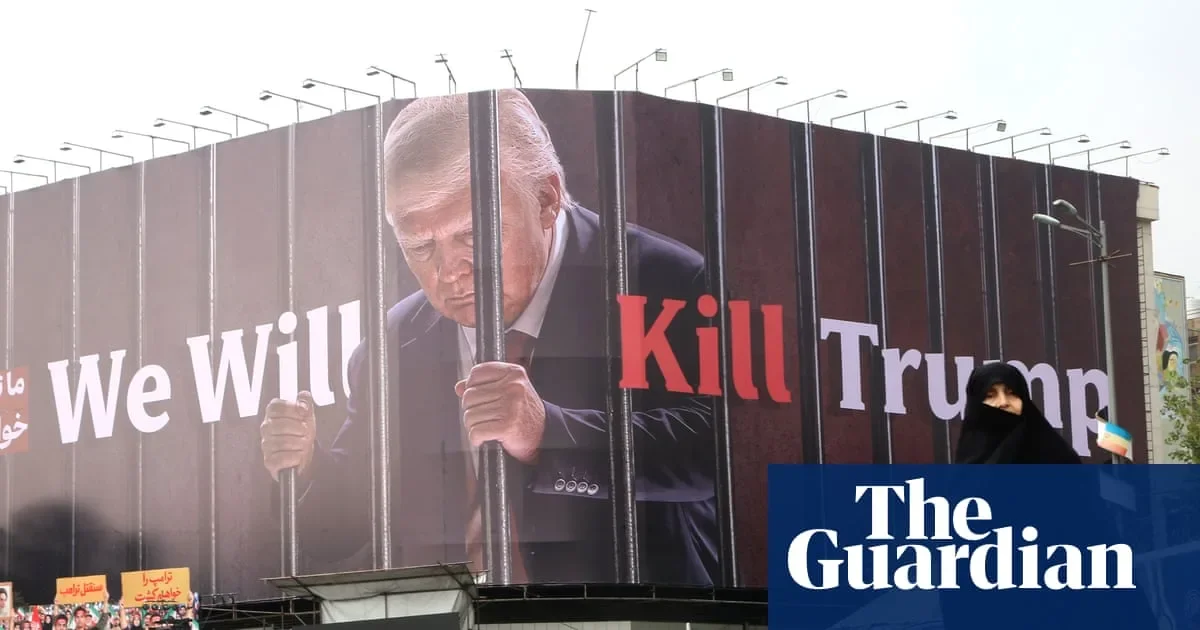
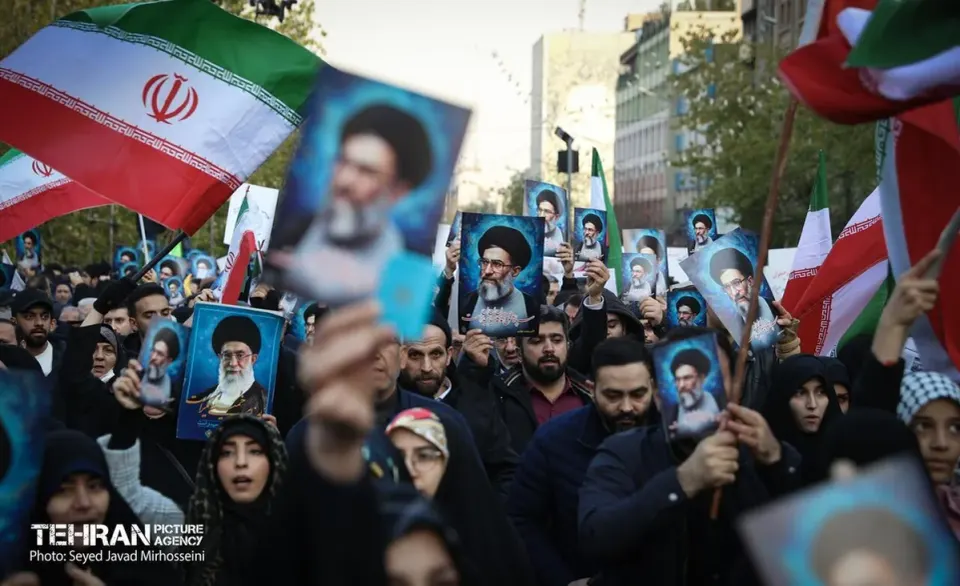
On the 47th anniversary of the seizure of the US embassy in Tehran, the Iranian capital witnessed a surge in state-sponsored anti-American sentiment. A massive billboard was unveiled in Enqelab Square depicting Donald Trump behind bars with the explicit message, "We will kill Trump." This escalation in personal animus comes at a critical juncture as the US midterm election results confirm a massive shift in power. The Democratic Party has successfully flipped at least seven Senate seats and secured control of the House of Representatives, a result analysts are calling a "Blue Wave" that serves as a direct rejection of the current administration's aggressive stance on Iran.
This political earthquake in Washington is being framed by Iranian state media as a form of "regime change" for Trump himself, occurring on the same day that historically ensnared Jimmy Carter in 1979. However, the reality is more complex. While the Democratic victory may provide a legislative check on Trump’s ability to wage an all-out war, it also creates a volatile domestic environment in the US. Some geopolitical analysts suggest that a wounded Trump, now facing a hostile Congress, might be tempted to escalate military actions or "finish the job" in the Middle East to project strength, even as his domestic mandate weakens.
Market Reaction: Toman Recovers While Gold Soars
Surprisingly, the Iranian currency market did not panic in the face of the aggressive rhetoric from Tehran. The USD/IRR exchange rate actually saw a cooling period, moving from 271,400 Toman down to 269,200 Toman, marking a -0.8% decrease over the last 24 hours. This suggests that traders may be pricing in the possibility of a diplomatic opening or at least a legislative stalemate in Washington that prevents further escalation. The market seems to believe that a Democratic-controlled Congress will be less inclined to fund or support a protracted conflict with Iran, providing a temporary sigh of relief for the Rial.
In contrast, the gold market continues its relentless climb, acting as the ultimate hedge against uncertainty. Gold 18k per gram rose from 25,451,313 to 25,993,813 Toman, a significant +2.1% jump. Similarly, the Emami coin increased by +1.1% to reach 264,500,000 Toman. With global gold prices holding steady at an astronomical $4,035 per ounce, Iranian investors are clearly prioritizing hard assets over currency, fearing that the long-term inflationary pressures of regional instability and sanctions will outweigh any short-term political shifts in the United States.
The Musk Factor and the Energy Landscape
Beyond the geopolitical headlines, the US midterm results have sent shockwaves through the tech and energy sectors. Shares of Tesla and SpaceX have begun to slide as investors digest the failure of Elon Musk’s massive political gamble. Musk reportedly funneled over $47 million into Republican campaigns, particularly in Texas, only to see Democrats win a seat on the Texas Railroad Commission—the state's powerful oil and gas regulator—for the first time since 1990. This shift signals a potential end to the era of unchecked regulatory favors for Musk’s ventures and a possible pivot toward more stringent environmental and labor oversight.
In Europe, natural gas prices fell by 2% as traders await the next move from the US administration. The market is currently paralyzed by the dichotomy of a weakened Trump and a newly empowered Democratic opposition. While the Democrats are expected to push for a focus on the cost of living and a de-escalation of foreign conflicts, the immediate impact on global energy markets remains tied to the Strait of Hormuz. If the current administration chooses to double down on sanctions as a final act of defiance against the "Blue Wave," energy volatility could return with a vengeance, regardless of the legislative balance in Washington.
A Shift Toward Nuclear Deterrence
Amidst the electoral chaos in the West, a more ominous trend is emerging within Iran’s internal political discourse. There is a growing chorus among Iranian clerics and officials calling for the country to abandon its longstanding religious decree against nuclear weapons. The argument, as reported by international observers, is that the current level of conventional conflict with the US and Israel has proven that only a nuclear deterrent can guarantee national survival. This shift in rhetoric is significant because it moves the nuclear issue from a technical negotiation point to a matter of existential deterrence in the eyes of the establishment.
What this means for the average Iranian reader is a period of heightened strategic risk. While the currency market is currently stable, the underlying threat of a nuclear-armed standoff could lead to more severe international isolation. The "Iran War babies"—the new generation of Democratic lawmakers elected on an anti-war platform—will now face the daunting task of navigating a Tehran that feels increasingly cornered and emboldened to seek the ultimate weapon. As the dust settles on the US midterms, the path to de-escalation remains fraught with obstacles, as both sides appear to be digging in for a long-term ideological and strategic confrontation.
Frequently Asked Questions
Why did the Dollar fall in Tehran despite the 'Kill Trump' banners?
What happened to Elon Musk's stocks after the US Midterms?
Is Iran really considering a nuclear weapon now?
Understanding Geopolitical Risk and its Impact on Financial Markets
Geopolitical risk refers to the potential for political instability, conflicts, and international tensions to disrupt global economic activity and financial markets. These risks can arise from a wide array of events, including elections, diplomatic disputes, trade wars, military conflicts, and shifts in international alliances. Unlike traditional market risks, geopolitical risks are often unpredictable and can have far-reaching consequences, affecting everything from commodity prices and currency exchange rates to investor sentiment and supply chains.
The mechanisms through which geopolitical risk impacts markets are multifaceted. Increased uncertainty alone can deter investment and lead to capital flight. Specific events, such as threats to critical energy routes like the Strait of Hormuz, can cause immediate spikes in oil prices. Changes in government policy following elections, like a 'Blue Wave' in the US, might lead to new sanctions regimes or shifts in diplomatic engagement, directly affecting trade flows and the economic prospects of involved nations. For instance, heightened tensions between the US and Iran, exemplified by political banners, can lead to a depreciation of the Iranian Rial (IRR) against the US Dollar (USD) and an increase in demand for safe-haven assets like gold in the region.
In the context of the provided headline, the interplay between US midterm elections and Iran's geopolitical stance is a prime example of such risk. A 'Blue Wave' shift in US politics could signal a change in approach towards Iran's nuclear program or sanctions policy, introducing new variables for the global energy market and regional stability. Simultaneously, actions from Tehran, such as provocative banners, escalate diplomatic tensions, making investors wary. The critical importance of the Strait of Hormuz as a global energy chokepoint means that any perceived threat to its security, stemming from these geopolitical frictions, has immediate and significant repercussions for global oil prices and shipping, underscoring how deeply intertwined politics and economics truly are.