Trump's Post-Midterm Uncertainty Dominates Global Markets; Iran Reports Tanker Attacks
ابهام پس از انتخابات ترامپ بازارهای جهانی را در بر گرفت؛ ایران از حمله به نفتکشها خبر داد
Following a significant defeat in the US midterm elections, global attention is fixed on what former President Trump's next moves might be, sparking international concern and impacting currency markets. Meanwhile, Iran reports multiple oil tankers have been destroyed by mines near the Strait of Hormuz, raising new geopolitical tensions.
At time of publishing
USD
269,100
Toman
Gold 18K
25.86M
Toman / gram
Bitcoin
$78,462
US Dollar
Tether
269,505
Toman
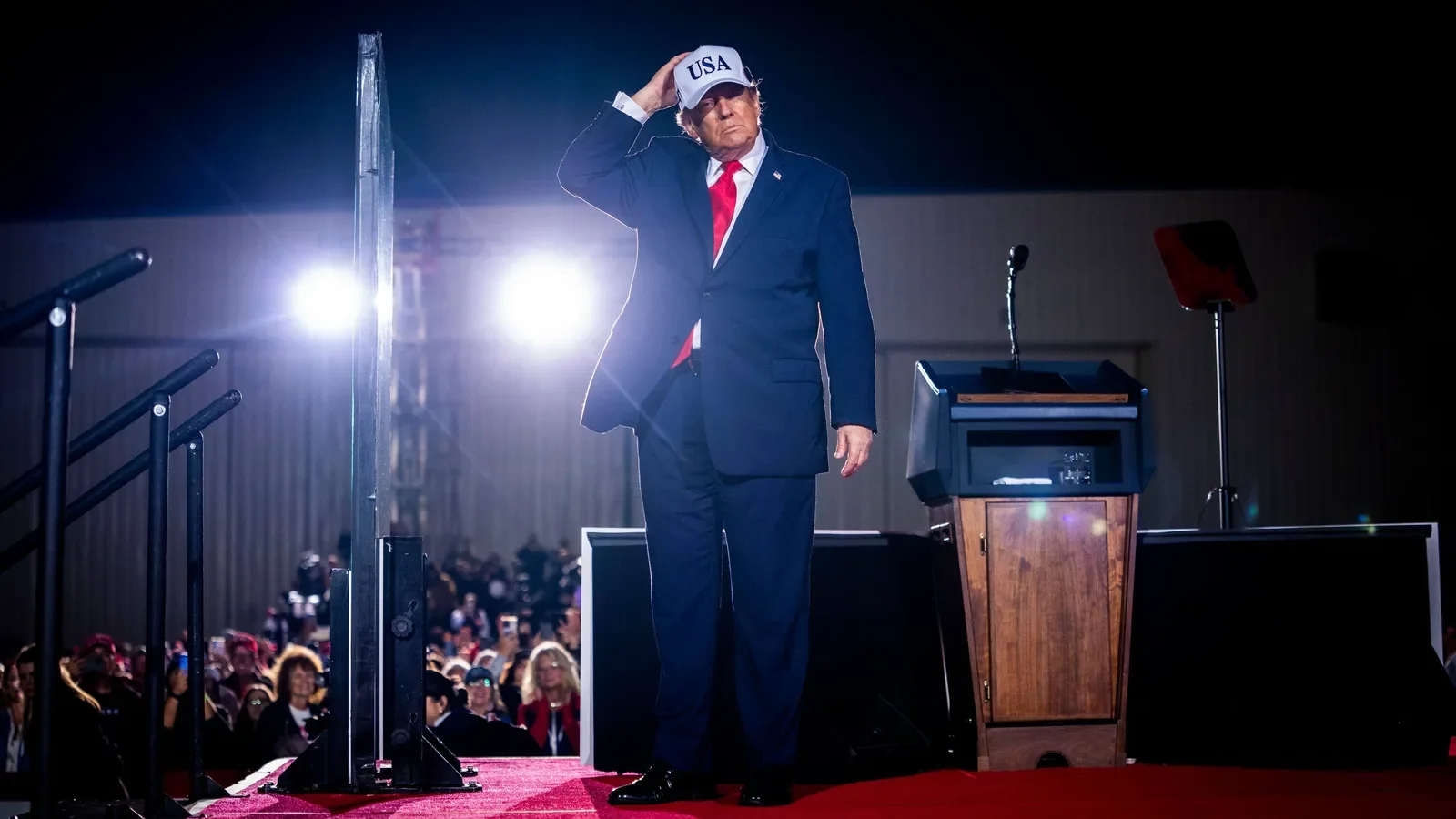
Global Unease Over Trump's Future After Midterm Blow
Following a decisive setback in the US midterm elections, international observers and governments are grappling with the uncertain trajectory of former President Trump's political influence. Commentators abroad are weighing the potential ramifications for global oil prices, the ongoing pressure on Iran, and the broader implications for the 'Trump era.' The news comes as reports indicate that voters delivered a strong rebuke to Trump's agenda, with rising anger over the cost-of-living crisis, partly attributed to policies enacted during his presidency, playing a significant role in the Democratic Party's historic victory.
This electoral defeat introduces a period of significant uncertainty, particularly concerning foreign policy and international economic stability. The specific impact on Iranian readers is multifaceted: currency expectations are likely to be influenced by shifting geopolitical dynamics, potential changes in sanctions regimes, and overall market confidence. The US dollar has already seen a notable slide in response to the election results, falling to a one-month low as fears of slower economic growth and increased regulatory scrutiny, particularly around AI, begin to surface. Investors are seeking refuge in US treasuries, signaling a broader risk-off sentiment in the global financial landscape.

---
Iran Reports Mine Attacks on Oil Tankers Near Strait of Hormuz
Iran's Islamic Revolutionary Guard Corps (IRGC) has reported that four oil tankers were destroyed by naval mines in a restricted navigation zone south of the Strait of Hormuz. The IRGC stated that the tankers caught fire and that two additional vessels were seized in the incident. This development escalates the already tense security situation in and around the critical waterway, which is vital for global oil transit. The attacks come at a time when crude oil flows have only partially recovered from earlier lows, adding another layer of risk to energy markets.
While the exact perpetrators and motivations behind these mine attacks remain unclear, they occur amidst a backdrop of heightened regional tensions and previous incidents targeting maritime traffic. The IRGC's announcement, made on Wednesday, November 4, 2026 (چهارشنبه ۱۳ آبان ۱۴۰۵), highlights the persistent security challenges in the Persian Gulf. The incident is likely to draw international condemnation and could lead to increased scrutiny of maritime safety and potential retaliatory measures, further impacting oil prices and regional stability.
---
Democrats' Midterm Victory and its Economic Ripples
The Democratic Party's sweeping victory in the US midterm elections, securing control of both the House of Representatives and the Senate, is poised to reshape domestic policy and send ripples through the global economy. With a newfound mandate, Democrats are expected to wield significant power, including the ability to block legislation, influence judicial appointments, and conduct investigations through subpoenas. This shift in power dynamics is already being felt in financial markets, with the US dollar experiencing a notable decline.
The market reaction suggests that investors are factoring in potential policy changes and the possibility of increased regulatory oversight, particularly in emerging sectors like artificial intelligence. Fears of slower economic growth are also contributing to the dollar's slide, as market participants anticipate a period of political gridlock during the remainder of the current presidential term. For readers in Iran, this translates into a more volatile economic outlook, with potential implications for the Toman's exchange rate, inflation, and the overall investment climate.
---
Market Movements: Gold Rises, Crypto Sees Outflows
Amidst the geopolitical shifts and economic uncertainty, gold prices have shown a modest increase, with the 18k gold gram rising by 1.6% in the last 24 hours. The Emami coin also saw a slight uptick of 0.8%. This performance suggests that gold continues to be viewed as a safe-haven asset during times of global instability and economic concern. In contrast, Bitcoin and other cryptocurrencies are experiencing outflows, with Bitcoin ETFs shedding $1.16 billion, according to recent reports. Analysts attribute these outflows to a weaker market sentiment, although institutional exposure is reportedly being maintained.
The broader crypto market is also seeing activity from hackers, with reports detailing the movement of stolen Solana funds via THORChain. This underscores the ongoing security challenges and volatility inherent in the digital asset space. For investors, the divergence between gold's resilience and crypto's outflows highlights a cautious approach to market risk, favoring traditional safe havens over more speculative digital assets in the current climate. The USDT to Toman rate remains closely aligned with the USD/IRR exchange rate, reflecting the interconnectedness of global and local currency markets.
Frequently Asked Questions
What is the current geopolitical situation regarding Iran and the Strait of Hormuz?
How have the US midterm election results affected the US dollar?
What is the performance of gold and cryptocurrencies following these events?
What are the potential implications of Trump's post-election uncertainty for Iran?
Understanding Safe-Haven Assets Amidst Global Uncertainty
When global markets face significant uncertainty, whether from political shifts like US midterm elections or geopolitical tensions such as oil tanker attacks in the Strait of Hormuz, investors often seek refuge in what are known as "safe-haven assets." These are investments expected to retain or even increase in value during periods of market turbulence, offering a perceived shield against economic downturns or political instability. Their appeal lies in their low correlation with riskier assets and their ability to provide a sense of security when the future seems unpredictable.
Historically, gold has been the quintessential safe-haven asset. Its intrinsic value, limited supply, and status as a universal store of value across cultures and centuries make it a reliable choice during crises, often seeing its price rise as geopolitical risks escalate. Similarly, the US Dollar frequently acts as a safe haven, primarily due to its status as the world's primary reserve currency and the perceived stability of the US economy and financial system. In times of global stress, demand for dollar-denominated assets and US Treasury bonds typically surges, strengthening the dollar.
While gold and the US dollar remain dominant, other assets occasionally exhibit safe-haven characteristics. For instance, certain government bonds (like German Bunds or Japanese Yen) can attract capital during regional crises. More recently, cryptocurrencies like Bitcoin have been posited by some as a "digital gold" or an alternative safe haven, especially during periods of fiat currency instability or political censorship. However, their high volatility and relatively short history mean they do not yet offer the same proven stability as traditional safe havens, and their role is still debated among financial experts.
The movement of capital into safe-haven assets is often termed a "flight to safety." This phenomenon reflects a fundamental human response to fear and uncertainty in financial markets. As headlines report events like potential trade wars, election outcomes, or military confrontations, investors reallocate their portfolios from riskier equities and emerging markets into these more stable assets, driving up their prices and reinforcing their safe-haven status. Understanding this dynamic is crucial for interpreting global market reactions to major political and geopolitical events.
Topics
Related Articles