Blue Wave in D.C.: Democrats Seize Congress as Vance Blames 'Iran War' for GOP Midterm Defeat
موج آبی در واشینگتن: دموکراتها کنگره را فتح کردند؛ اعتراف ونس به شکست در سایه جنگ ایران
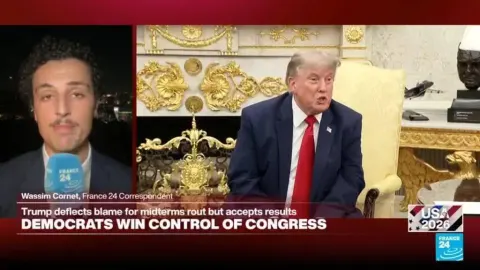
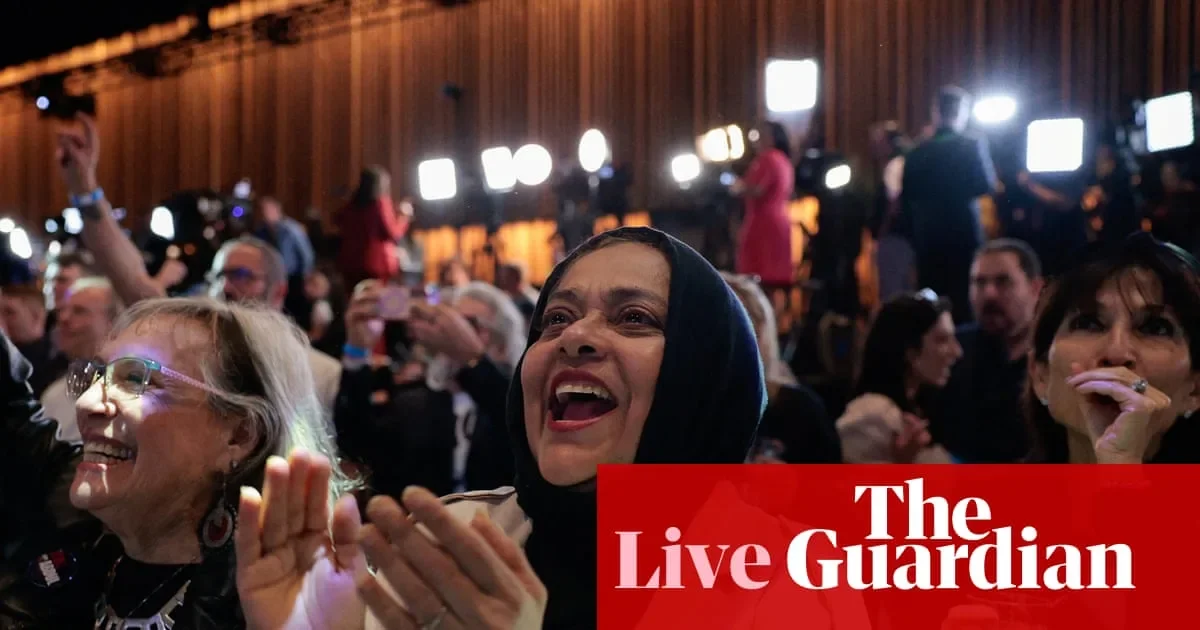
The Democratic Party has secured control of both the House and Senate in a historic 2026 midterm victory. Vice President JD Vance admitted the administration's involvement in the Iran conflict was the primary reason for the Republican loss, triggering a slide in the US dollar and a surge in global stocks.
At time of publishing
USD
269,000
Toman
Gold 18K
25.99M
Toman / gram
Bitcoin
$80,465
US Dollar
Tether
267,179
Toman
The Midterm Earthquake: A Lame Duck Presidency Begins
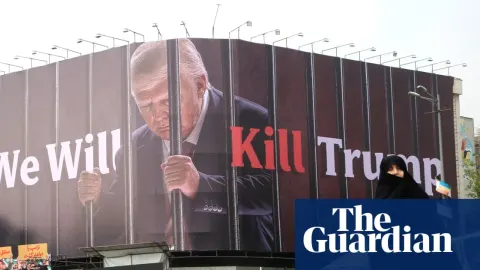
The 2026 US midterm elections have concluded with a seismic shift in the balance of power, as the Democratic Party successfully reclaimed control of both the House of Representatives and the Senate. This "Blue Wave" effectively transforms President Donald Trump into a "lame-duck" leader for the final two years of his term, significantly curtailing his ability to enact radical policy shifts or secure funding for military ventures without bipartisan approval. Vice President JD Vance has already begun the post-mortem analysis, publicly stating that the administration's involvement in the "Iran war" was the primary catalyst for their "brutal" losses. According to Vance, it is now "obvious to almost everyone" that the electorate has rejected the high costs and instability associated with the ongoing regional conflict.
This political realignment is expected to have immediate repercussions for US-Iran relations. With Democrats now holding the purse strings, the aggressive military posturing and high-expenditure conflict strategies favored by the current administration are likely to face intense scrutiny and potential defunding. For Iranian markets and the wider Middle East, this signals a potential window for de-escalation. Legislative gridlock in Washington often acts as a cooling mechanism for foreign policy, as the White House can no longer rely on a compliant Congress to rubber-stamp executive actions or emergency military spending. The shift suggests a move away from direct confrontation toward a more diplomatic or at least contained approach to regional tensions.
Market Reaction: Toman Strengthens as Global Markets Surge
Global financial markets reacted with surprising optimism to the prospect of a divided government. While overnight futures were initially shaky due to fears of regulatory changes in the AI sector, the Dow Jones Industrial Average surged by 2% at the opening bell, with the tech-heavy Nasdaq and S&P 500 gaining more than 1%. Investors appear to be betting that a Democratic-controlled Congress will act as a stabilizing "brake" on Trump’s more erratic economic and trade policies. This sentiment has led to a noticeable softening of the US Dollar globally, as the "geopolitical risk premium" associated with the administration's combativeness begins to fade into expectations of domestic policy stagnation.

In the domestic Iranian market, the impact was immediate. The US Dollar (USD/IRR) sell rate slipped from 271,400 to 269,000, marking a 0.9% decrease over the last 24 hours. This appreciation of the Toman reflects a cautious hope among local traders that a Democratic Congress might pursue a path of sanctions relief or at least stop the slide toward a full-scale regional war. Conversely, gold continues its historic run; 18k gold rose 2.1% to reach 25,993,813 Toman per gram, while the global gold ounce price stands at a staggering $4,047.20. The Emami coin also saw a 1.1% increase to 264,500,000 Toman, indicating that while the currency market is stabilizing, investors are still hedging against long-term global inflation and economic uncertainty.
Geopolitical Fallout and the $400 Million Failure
The ripples of the US election are being felt far beyond Washington and Tehran. In Ukraine, President Zelenskyy remains focused on the grim ground reality after a devastating Russian attack on a school in Komyshuvakha left 40 dead. The Kremlin has expressed hope that the midterm results will not derail what they characterize as Trump’s "peacemaking" efforts, though a Democratic Congress is widely expected to maintain or even increase support for Kyiv, further complicating Moscow's strategic calculus. The new legislative balance means that any major shifts in US foreign aid or treaty commitments will now require a level of consensus that has been absent for the past two years.
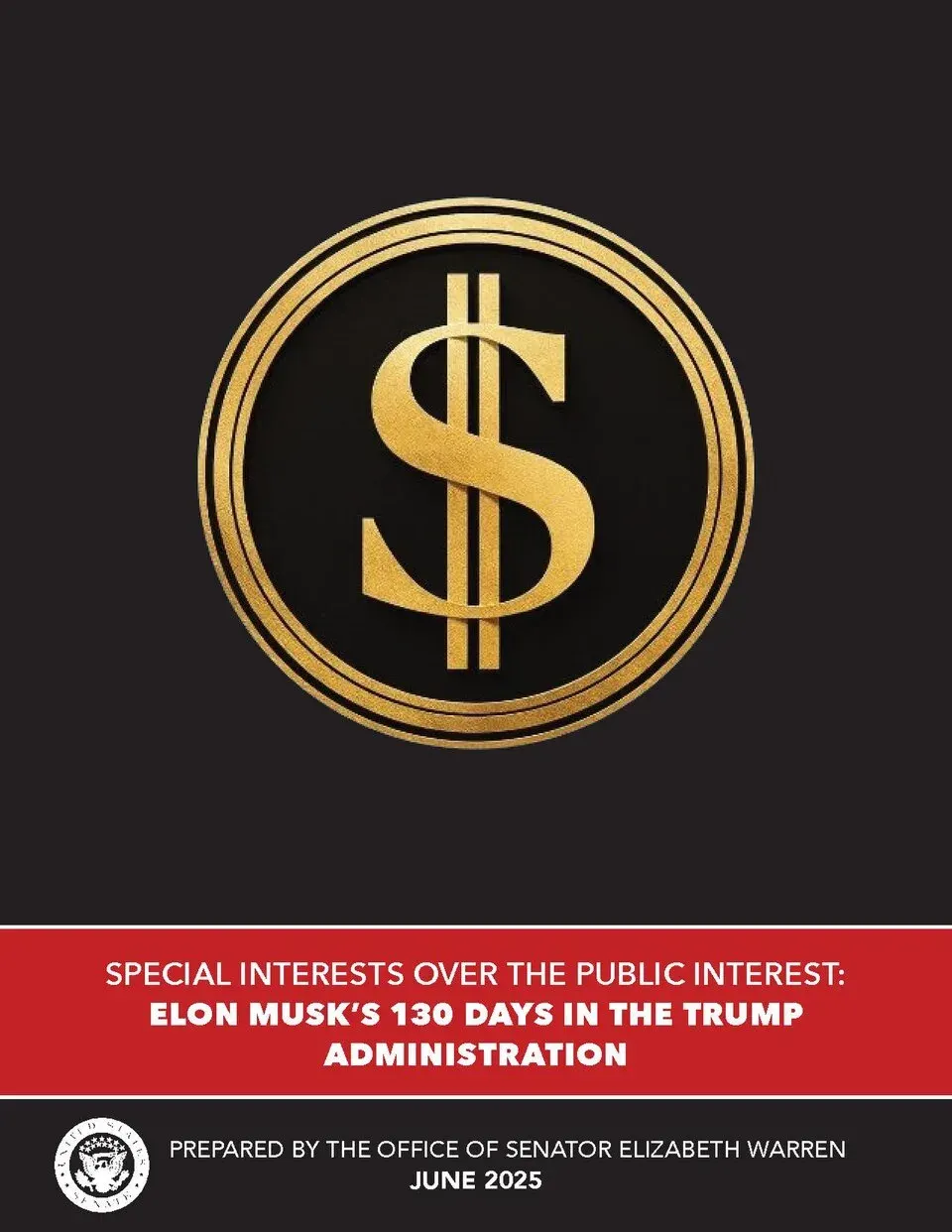
Meanwhile, the tech and business world is reeling from the sheer scale of Elon Musk’s political failure. Reports indicate that Musk funneled over $400 million into Republican campaigns during this cycle, yet the results were catastrophic for his interests. Of every traceable dollar Musk invested in decided races, more than 99 cents went to candidates who lost. This massive burn of capital highlights a growing disconnect between the "tech-bro" elite and the broader electorate, who prioritized cost-of-living concerns and anti-war sentiment over the billionaire-backed agenda. As the US enters this new era of divided government, the focus is likely to shift toward domestic infrastructure and economic stabilization, leaving high-profile donors like Musk with significantly less leverage than they anticipated.
Frequently Asked Questions
Why did the US dollar price drop in Iran after the midterm results?
What did JD Vance say about the Republican defeat?
How did gold prices react to the US political shift?
What happened to Elon Musk's political investments?
Foreign Policy's Impact on Domestic Electoral Outcomes
The recent midterm elections, with accusations like "Iran War" influencing voter sentiment, highlight a crucial yet often overlooked aspect of political science: the profound interplay between a nation's foreign policy and its domestic electoral outcomes. While campaigns typically focus on local issues, economic performance, and social policies, international events and a government's handling of global affairs can significantly sway public opinion and determine who wins or loses elections.
This influence operates through several channels. Voters may perceive foreign policy successes as a sign of strong leadership and national prestige, rewarding incumbents. Conversely, perceived failures, costly engagements, or controversial alliances can erode public trust and fuel opposition. Economic ramifications, such as the impact of international trade agreements, sanctions, or military spending on domestic jobs and inflation, also directly affect voters' daily lives, translating geopolitical decisions into kitchen-table issues.
Furthermore, geopolitical events can shape the national mood, fostering a sense of insecurity or patriotism that transcends traditional party lines. A protracted conflict, for instance, can lead to war fatigue and a desire for change, or conversely, rally support around a leader in times of perceived threat. Political candidates and parties strategically frame these issues, attempting to either capitalize on a popular foreign policy stance or leverage dissatisfaction with an opponent's international record to gain an electoral advantage.
Understanding this dynamic is essential for grasping why certain elections unfold as they do. It underscores that while the ballot box is local, the forces that shape voter choices often extend far beyond national borders, demonstrating how global politics can directly dictate domestic political fortunes and even lead to significant shifts, such as a "blue wave" or a major party defeat.
Topics
Related Articles