Manchester Abuse Trial Shocks UK as Wall Street Surges Following Trump’s Midterm Defeat
شوک محاکمه منچستر در بریتانیا همزمان با جهش والاستریت پس از شکست یاران ترامپ
A horrific sexual abuse trial in Manchester has gripped the UK public while global markets react to a decisive Democratic sweep in the US midterms. As Donald Trump acknowledges the unpopularity of the 'Iran war' and the Dow Jones climbs 2%, the global landscape is shifting toward regulatory oversight and geopolitical de-escalation.
At time of publishing
USD
268,100
Toman
Gold 18K
25.98M
Toman / gram
Bitcoin
$80,244
US Dollar
Tether
268,637
Toman
A Dark Day in Manchester: The Limits of Human Depravity
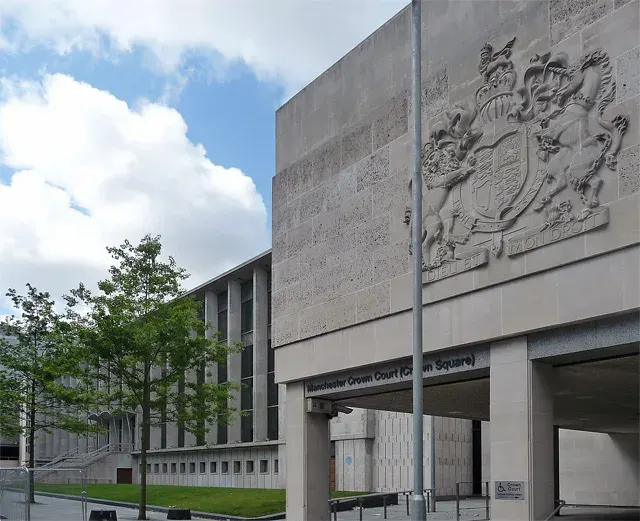
A trial currently unfolding in Manchester has sent shockwaves through the United Kingdom, revealing a level of calculated abuse that has left the public and legal experts alike in disbelief. A husband in his 60s from Stockport has pleaded guilty to more than 60 offences against his wife, whom he systematically drugged and invited dozens of men to rape in their marital home. The court heard how the perpetrator treated his wife as a commodity, even requesting 'online reviews' from the men he recruited through the internet to satisfy what prosecutors described as his 'perversity.'
This case is not just a localized tragedy; it highlights a terrifying intersection of digital coordination and domestic violence. The ability of the perpetrator to use the internet to facilitate such widespread and repeated crimes raises urgent questions about platform accountability and the dark corners of the web where such 'services' are exchanged. For the legal system, the scale of the abuse—involving at least nine other men currently on trial—represents a landmark challenge in prosecuting collective digital-age depravity and protecting victims who are unaware of the crimes being committed against them.
The 'Blue Wave' and Trump’s Admission on the Iran War
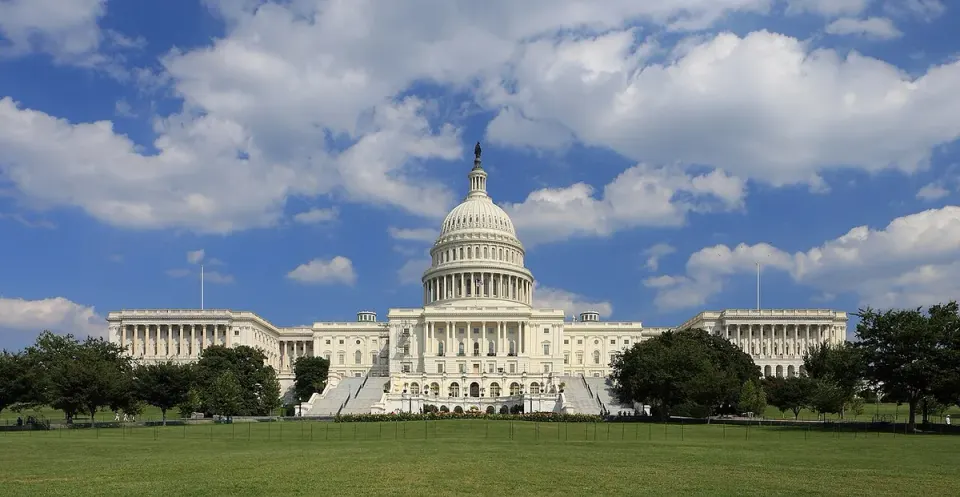
The political landscape in Washington has been fundamentally reshaped as of Wednesday, November 4, 2026. Following a decisive 'Blue Wave' that saw Democrats seize control of both chambers of Congress, President Donald Trump has struck a uncharacteristically defiant yet reflective tone. In a series of updates, Trump acknowledged that the ongoing military tensions and the 'Iran war' were deeply unpopular among the electorate, contributing to the Republican party's brutal losses. This admission marks a significant pivot, as even high-ranking Republicans like JD Vance have begun to distance themselves from the administration's hawkish foreign policy in light of the polling debacle.
Wall Street, however, has greeted the prospect of a divided government or a Democratic-led Congress with a massive relief rally. The Dow Jones surged by 2%, while the Nasdaq and S&P 500 gained over 1%. Investors appear to be betting that a Democratic Congress will act as a check on further military escalation, potentially lowering the geopolitical risk premium that has kept energy and commodity markets volatile. For the Iranian market, this shift is already palpable; the USD sell rate in Tehran moved from 271,400 to 268,100 Toman, a decrease of 1.2%, as traders anticipate a possible de-escalation in sanctions or military rhetoric.
Regulatory Shifts: From Texas Oil to Big Tech Accountability
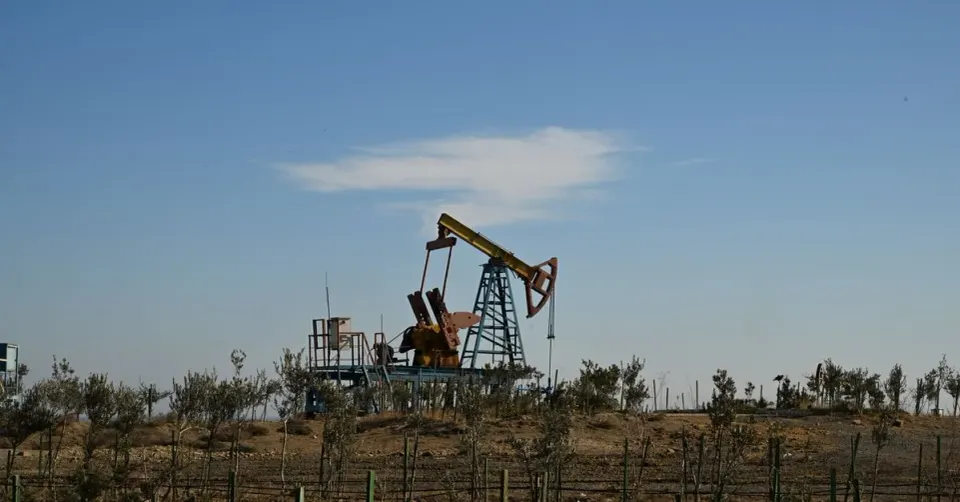
Beyond the halls of Congress, a major shift is occurring in the regulatory corridors of the United States. In a historic upset, Democrat Jon Rosenthal was elected as the Texas Railroad Commissioner, defeating a controversial Republican incumbent. Despite its name, this agency is the primary regulator of the Texas oil and gas industry. Rosenthal’s victory signals a move toward stricter environmental oversight and potentially a more cautious approach to American energy exports, which could have long-term implications for global oil prices and Iran’s competitive position in the energy market.
Simultaneously, the legal battle against 'Big Tech' has reached a fever pitch. Prominent lawyer Mark Lanier is leading a wave of litigation against giants like Meta and Google, accusing them of intentionally designing platforms to foster addiction. This movement toward holding tech companies accountable for social harm is gaining traction globally, coinciding with US voters in 29 communities backing restrictions on AI data centers. These developments suggest that the era of 'move fast and break things' is being replaced by a period of intense legal and public scrutiny over how technology affects human health and community resources.
Markets and Safety: Gold Peaks While Tragedy Hits Miami
In the commodities market, gold continues its relentless climb as a safe-haven asset amidst the political transition. In Tehran, 18k gold rose from 25,451,313 to 25,975,345 Toman per gram (+2.1%), while the global gold ounce price stands at a staggering $4,057.60. While the US Dollar softened against the Toman, the demand for gold remains high, reflecting a lingering anxiety about the long-term stability of the global economy and the potential for a 'Polar Vortex' in Europe to trigger a winter energy crisis.
Tragedy also struck in the United States today as a Robinson R44 II helicopter crashed into Biscayne Bay, east of Miami Executive Airport. The crash resulted in one fatality and two injuries, drawing an immediate response from the US Coast Guard. While the cause of the crash remains under investigation, it serves as a somber reminder of the ongoing risks in aviation infrastructure at a time when public attention is largely diverted by the high-stakes political drama unfolding in Washington and the legal horrors being revealed in the UK.
Frequently Asked Questions
چرا پیروزی دموکراتها در تگزاس برای بازار نفت مهم است؟
علت کاهش قیمت دلار در بازار تهران با وجود افزایش قیمت طلا چیست؟
اعتراف ترامپ به نارضایتی از جنگ با ایران چه معنایی برای آینده دارد؟
Political Risk Premium: Why Elections and Geopolitics Move Markets
The political risk premium is the extra return investors demand for holding assets that could be affected by government actions, elections, wars, or regulatory changes. In practice, analysts add this premium to the risk‑free rate when they price stocks, bonds, or currencies that might be exposed to sudden policy shifts. When a high‑profile event such as a U.S. midterm election, a potential conflict involving Iran, or a major court ruling (like the Manchester abuse trial) looms, market participants reassess the likelihood of policy disruption and adjust asset prices accordingly.
During election years, the uncertainty about which party will control Congress can change fiscal policy, taxation, and regulation of key sectors such as Big Tech or energy. For example, a shift in the Texas Railroad Commission’s leadership could affect oil and gas production rules, influencing the price of the U.S. dollar (USD) against emerging market currencies (IRR) and the demand for safe‑haven assets like gold. When investors perceive higher political risk, they often rotate out of equities toward assets perceived as more stable, which can trigger a Wall Street rally if the risk is deemed lower than expected, or a sell‑off if the opposite holds true.
Gold’s price, currently hovering around $4,000 per ounce, is a classic barometer of political risk. In times of heightened geopolitical tension—such as a potential Trump‑led Iran war—investors flock to gold because it is not directly tied to any single government’s fiscal health. Conversely, a strong U.S. dollar can depress gold prices, illustrating the interplay between currency markets, political expectations, and commodity demand. Understanding the political risk premium helps explain why seemingly unrelated news—like a high‑profile abuse trial in Manchester—can ripple through global markets.
For portfolio managers, quantifying the political risk premium involves looking at historical spreads between sovereign bond yields of stable versus volatile countries, analyzing option‑implied volatility around election dates, and monitoring news sentiment. By incorporating this premium, investors can better gauge whether a market rally is justified or merely a temporary response to short‑term political headlines.
In short, the political risk premium is the market’s built‑in safety valve, translating the uncertainty of elections, wars, and regulatory battles into measurable price adjustments. Recognising its role equips anyone—from casual readers to seasoned traders—to interpret why Wall Street may surge after a midterm defeat or why gold spikes when geopolitical tensions rise.
Topics
Related Articles