
Bitcoin Hits $80.5K Milestone as Gold Gains in Tehran; High-Profile Trial Grips Global Attention
بیتکوین در مرز ۸۰ هزار دلار و صعود سکه در بازار تهران؛ جزئیات تکاندهنده از جنجالیترین پرونده جنایی سال
Bitcoin has reached a historic $80,500 mark following the US midterm results, while gold prices in Tehran surge by nearly 1% despite a stable Dollar. Meanwhile, the trial of former officer Beau Lamarre-Condon is making global headlines with new evidence in a high-profile double murder case.
At time of publishing
USD
267,700
Toman
Gold 18K
26.17M
Toman / gram
Bitcoin
$80,470
US Dollar
Tether
268,457
Toman
The Sydney Trial: Institutional Trust in the Spotlight
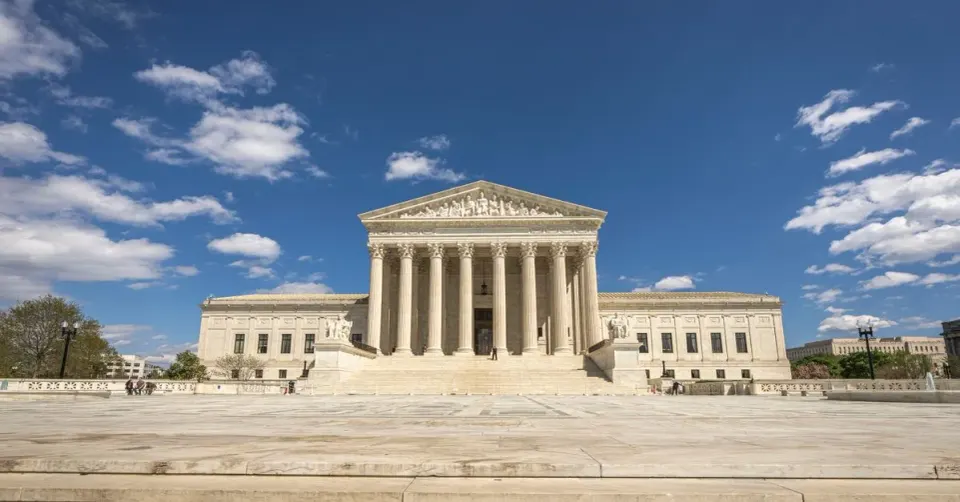
The high-profile trial of former police officer Beau Lamarre-Condon has reached a critical juncture today in Sydney, as the accused entered the witness box to provide evidence. Lamarre-Condon stands accused of the 2024 double murder of Jesse Baird and Luke Davies, a case that has shocked Australia and raised serious questions about police vetting and the misuse of service weapons. Today's proceedings have seen a massive public turnout, with the court adjourning for lunch before the defendant continues his testimony. The case is not merely a local crime story; it represents a growing global scrutiny of law enforcement institutions and the legal frameworks that govern them.
For readers in Iran and the broader region, such high-profile international legal battles often serve as a barometer for social justice and institutional accountability. While the case is geographically distant, the themes of police power and the transparency of the judicial process resonate deeply. The intense media coverage also highlights the power of public interest in shaping the narrative around domestic violence and institutional failure. As the trial progresses, the evidence presented is expected to shed light on the systemic gaps that allowed such a tragedy to occur, potentially leading to legislative changes in how police forces manage their personnel and equipment.
Bitcoin’s $80.5K Surge Amid Political Friction
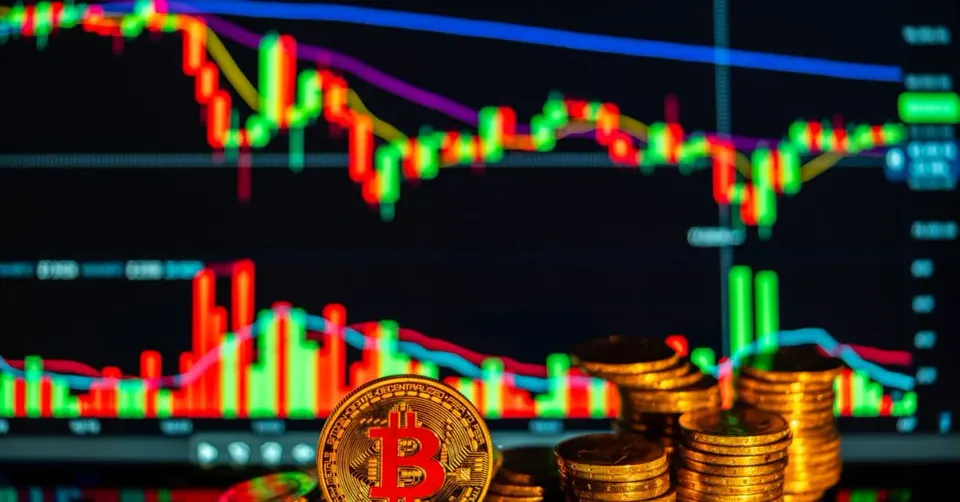
Bitcoin has firmed to a staggering $80,470, marking a significant psychological and financial milestone for the crypto market. This rally comes on the heels of the U.S. midterm elections, where a "Blue Wave" has shifted the political landscape. While the Democratic sweep in Congress typically signals tighter regulation, the market has interpreted the results as a catalyst for risk appetite. The Digital Chamber has already labeled the win of Sherrod Brown as a "consequential unfavorable result" for the industry, suggesting that the path ahead will be paved with stronger consumer protections and increased regulatory accountability. However, the price action suggests that investors are currently more focused on the liquidity and momentum provided by the election's conclusion than on the long-term regulatory hurdles.
What this means for the global economy is a complex interplay between decentralization and state control. As Bitcoin sits at this high level, the outlook remains "unclear" for many analysts. The tension between the crypto industry's push for freedom and the government's mandate for oversight is reaching a boiling point. For Iranian investors, who often turn to digital assets as a hedge against currency devaluation and international sanctions, this volatility is a double-edged sword. While the price increase offers capital gains, the threat of more stringent global regulations could impact the ease of cross-border transactions and the availability of liquidity on major exchanges.
Gold Leads the Charge in Tehran’s Markets
In the domestic market of Tehran on Thursday, November 5, 2026 (۱۴ آبان ۱۴۰۵), gold and coins have emerged as the primary winners. While the US Dollar remained relatively stable, moving slightly from 268,100 to 267,700 Toman (-0.1%), Gold 18k and Emami coins saw notable gains. Gold 18k rose from 25,975,345 to 26,166,951 Toman (+0.7%), and the Emami coin jumped from 264,500,000 to 267,000,000 Toman (+0.9%). This upward movement is directly tied to the global price of gold, which is currently trading at a record $4,128.70 per ounce. The divergence between the stable dollar and rising gold prices indicates that Iranian investors are prioritizing the global safe-haven status of gold over local currency fluctuations.
This trend reflects a broader sentiment of caution. When gold outpaces the dollar in the local market, it usually suggests that the public is hedging against geopolitical uncertainty rather than just local inflation. The global surge in gold to over $4,100 per ounce is a response to international economic shifts and interest rate expectations, which are anticipated to rise for the first time in three years. For the average Iranian household, this means that the cost of preserving wealth is increasing. Those holding gold assets have seen a nearly 1% gain in a single day, while those in cash or fixed-income assets continue to face the pressure of a high-priced environment.

Tech Wars and Creative Rights: From Meta to ER
In the technology sector, the landscape is shifting toward immersive hardware and intellectual property protection. Meta has launched a significant promotional campaign for its Quest 3 and Ray-Ban AI glasses, signaling a push to normalize augmented and virtual reality before the holiday season. Meanwhile, a U.S. appeals court has ruled that a lawsuit against Warner Bros. regarding the medical drama "The Pitt" can proceed, citing "clear and numerous similarities" to the legendary series "ER." This legal battle, initiated by the widow of Michael Crichton, highlights the increasing value of creative legacy and the legal risks involved in producing derivative content in a highly competitive streaming era.
These developments underscore a world where technology and content are becoming increasingly litigious. For tech-savvy users and creators in the Middle East, these stories represent the boundaries of innovation and ownership. As Meta tries to capture more of the consumer's visual field through AI glasses, the legal frameworks governing what can be filmed, shared, and even written (in the case of medical dramas) are being rewritten. The outcome of these tech and creative disputes will set the stage for how future platforms and content are developed, ensuring that the rights of creators are balanced against the rapid pace of technological advancement.
Frequently Asked Questions
چرا قیمت طلا در تهران با وجود ثبات دلار افزایش یافته است؟
آیا پیروزی دموکراتها در انتخابات آمریکا به ضرر بیتکوین است؟
پرونده قتل در استرالیا چه ربطی به بازارهای مالی دارد؟
Understanding Cryptocurrency Regulation: Why It Matters for Bitcoin and Gold
Cryptocurrency regulation refers to the set of laws, guidelines, and supervisory practices that governments and financial authorities apply to digital assets such as Bitcoin, Ethereum, and newer tokens. Because these assets operate on decentralized networks without a central issuer, regulators must decide how existing legal frameworks—like securities, commodities, and anti‑money‑laundering (AML) rules—fit into a novel technological landscape. The goal is to protect investors, prevent illicit activity, and preserve market integrity while still allowing innovation to flourish.
The most common regulatory tools include KYC (Know‑Your‑Customer) requirements, which force exchanges and custodians to verify the identity of users; AML and counter‑terrorism financing (CTF) rules, which monitor transactions for suspicious patterns; securities classification, where tokens that promise profits from the efforts of others may be treated like stocks under the U.S. Securities Act; and tax reporting obligations, which require holders to declare gains or losses. Each tool shapes how easily investors can buy, sell, or hold crypto, influencing liquidity and price volatility.
When regulators tighten rules—or signal future enforcement—Bitcoin’s price often reacts sharply. For example, the 2023 SEC lawsuit against major exchanges contributed to a short‑term dip, while clearer guidance in 2024 helped the market recover and push Bitcoin toward the $80,000 milestone. At the same time, heightened regulatory scrutiny can drive investors toward traditional safe‑haven assets like gold, which surged in Tehran and other markets as uncertainty grew. Understanding this interplay helps explain why crypto and gold often move in opposite directions during periods of policy uncertainty.
Global coordination remains a challenge because jurisdictions differ in their approach: some, like Switzerland, adopt a “crypto‑friendly” sandbox; others, such as China, have imposed outright bans. International bodies—including the Financial Action Task Force (FATF) and the International Monetary Fund (IMF)—are working to harmonize standards, but divergent rules can create arbitrage opportunities and regulatory arbitrage risks. For anyone watching the Bitcoin price or the gold market, staying informed about regulatory developments is as crucial as tracking technical charts.
Topics
Related Articles