Blue Wave in Mississippi: US Midterms Shake Markets as Republicans Blame Iran War for Losses
زلزله سیاسی در آمریکا؛ دموکراتها در آستانه فتح میسیسیپی و جهش والاستریت
A historic Democratic upset in Mississippi has sent shockwaves through Washington, while global markets stage a relief rally. Meanwhile, the energy world is bypassing the Strait of Hormuz, turning Africa into the new LNG powerhouse.
At time of publishing
USD
267,700
Toman
Gold 18K
26.16M
Toman / gram
Bitcoin
$80,381
US Dollar
Tether
268,457
Toman
Market Open — Thursday, November 5, 2026
Good morning from the Arzbin newsroom. Today, پنجشنبه ۱۴ آبان ۱۴۰۵, the Iranian markets are waking up to a slight softening in the US Dollar alongside a notable climb in safe-haven assets. The USD/IRR pair edged down slightly to 267,700 Toman, a fractional decline of 0.1% over the last 24 hours. While the currency remains relatively stable, the domestic gold market is showing more heat; 18k gold rose to 26,155,408 Toman per gram, marking a 0.7% increase, while the Emami coin jumped 0.9% to reach 267,000,000 Toman.
In the digital asset space, Bitcoin is holding firm above the psychological $80,000 mark, currently trading at $80,381. The global mood is one of cautious optimism following the US election results, which has led to a 'relief rally' in equities, though the underlying geopolitical tensions—particularly regarding the ongoing conflict involving Iran—continue to keep a floor under gold and energy prices. For the Iranian trader, the slight dip in the dollar is a welcome breather, but the rising cost of gold suggests that the market is still pricing in significant regional risk.
Democrats Eye Historic Upset as Republicans Point to Iran War
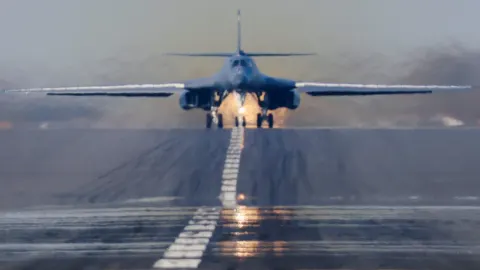
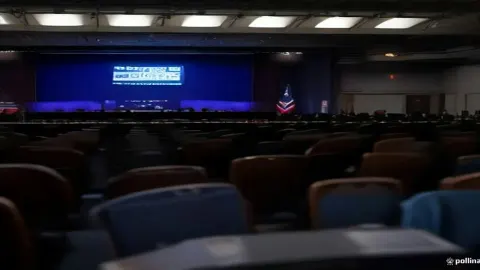
In a development that few pollsters predicted, the US midterm elections have delivered a massive blow to the Republican party. In Mississippi, a deep-red stronghold, Democrat Scott Colom is currently leading the Republican incumbent Cindy Hyde-Smith. This potential upset has triggered an immediate 'blame game' within the GOP. High-profile figures like JD Vance have already begun pointing to the ongoing war in Iran as the 'obvious' culprit, suggesting that the electorate is punishing the party for the economic and human costs of the conflict.
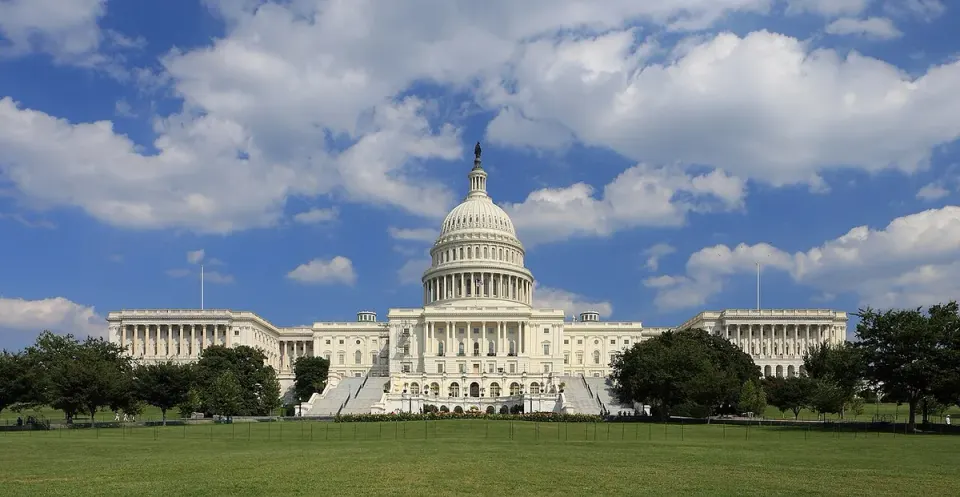
This political shift is more than just a domestic American story; it has profound implications for US foreign policy. A Democrat-controlled Congress could potentially push for a de-escalation of the regional conflict or at least a pivot in how sanctions and military aid are handled. For Iranians, this means the next two years of US policy could be characterized by internal gridlock in Washington, which historically leads to less predictable, but sometimes more restrained, foreign interventions. The markets reacted with a surge, as Wall Street investors seem to prefer the 'divided government' scenario which often prevents radical policy shifts.
The Great Energy Bypass: Africa Becomes the New LNG Hub
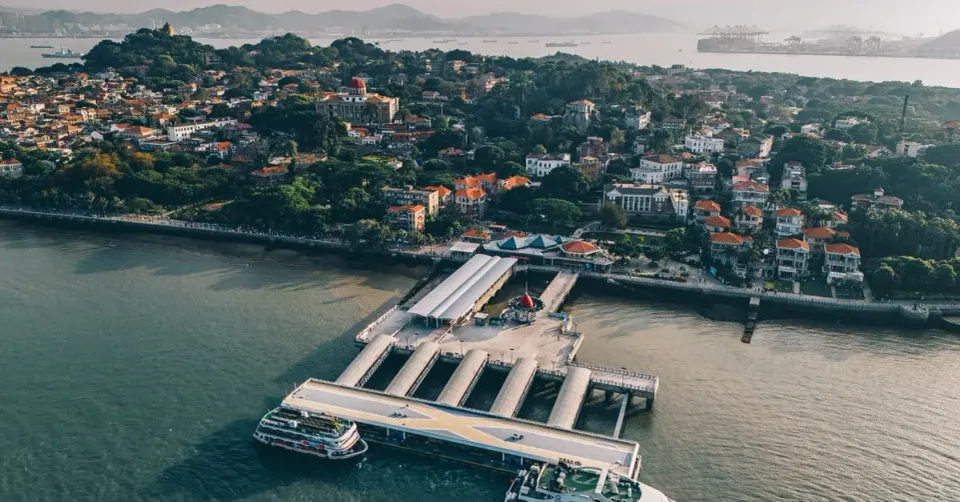
As the Strait of Hormuz remains a high-risk zone due to the ongoing conflict, the global energy map is being redrawn in real-time. Energy buyers, desperate for stability, are fleeing the Persian Gulf and pouring billions into African liquefied natural gas (LNG) projects. New data shows that Africa’s LNG exports are set to soar by 175%, with countries like Mozambique, Nigeria, and Angola becoming the primary beneficiaries of this capital flight. In an ironic twist, even Qatar—formerly one of the world's top exporters—has become a major buyer of US LNG to meet its obligations as its own shipping routes are throttled.
This shift is likely permanent. Once infrastructure is built in Africa and long-term contracts are signed with US suppliers, the reliance on the Strait of Hormuz as the world's primary energy artery will be structurally diminished. For the Iranian economy, which relies heavily on the strategic leverage of the Strait, this diversification represents a long-term geopolitical challenge. The 'energy weapon' is losing its edge as the world learns to function without a stable Persian Gulf, a trend that could lead to decreased regional influence for all littoral states in the coming decade.
UK Warns of 'Dangerous' Dependency on Chinese Minerals
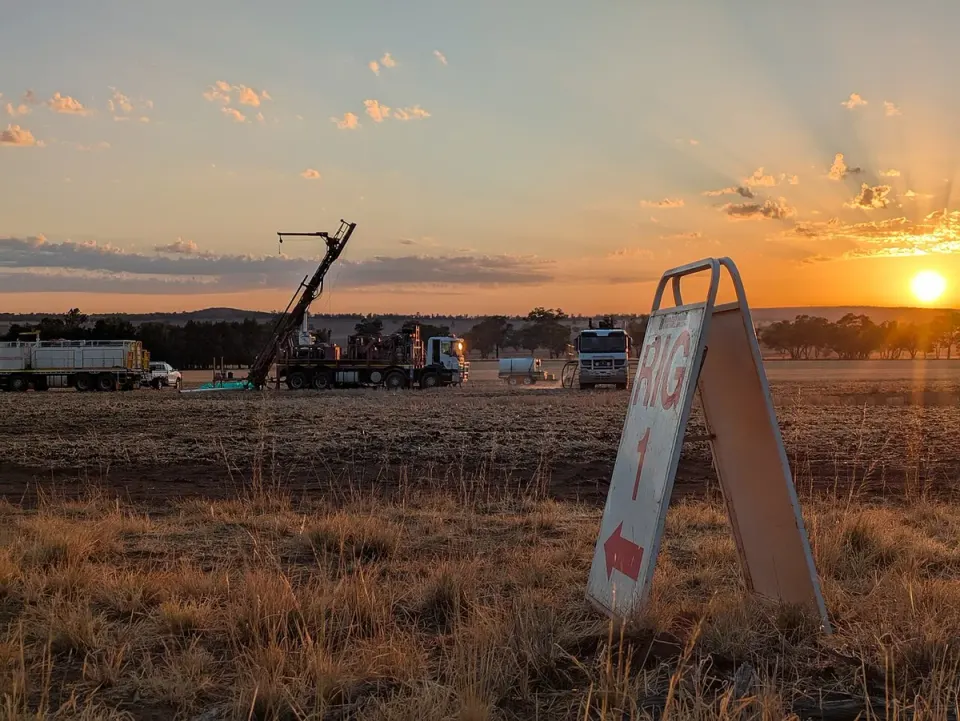
While the world watches the US elections and the Middle East, a quieter but equally significant crisis is brewing in the tech and defense sectors. A UK parliamentary investigation has found that the country is 'dangerously' reliant on China for critical minerals essential for AI and military hardware. MPs are now calling for an urgent 'critical minerals finance facility' to diversify supply chains. This highlights a growing global trend: the weaponization of supply chains for the materials that power the next generation of technology.
This matters because it signals a deepening of the 'Great Decoupling' between Western economies and China. As the UK and its allies scramble to find alternative sources for minerals like lithium and cobalt, we can expect increased investment in mining projects across South America and Africa. For the global market, this means higher costs for electronics and electric vehicles in the short term, as the 'efficiency' of Chinese supply chains is replaced by the 'security' of diversified ones. It is a stark reminder that in 2026, national security and economic policy are now inextricably linked.
Watch
'Susie Wiles must RESIGN': Fox News panel on midterm BLOWOUT
Fox News
Frequently Asked Questions
چرا پیروزی دموکراتها در میسیسیپی برای بازارها مهم است؟
آیا دور زدن تنگه هرمز توسط خریداران گاز دائمی است؟
علت رشد قیمت طلا در بازار ایران با وجود کاهش جزئی دلار چیست؟
The Strategic Importance of the Strait of Hormuz
The Strait of Hormuz is a narrow waterway—about 21 miles (34 km) wide at its narrowest point—situated between the Persian Gulf and the Gulf of Oman. Despite its modest size, it serves as the world’s most critical chokepoint for oil, with roughly 20% of global petroleum passing through it each day. Nations that rely on imported oil, from the United States to China and Europe, watch the strait closely because any disruption can instantly reverberate through global energy markets, pushing prices higher and triggering broader financial volatility.
Geopolitical tension is the primary driver of risk in the Hormuz corridor. The United States, Iran, and regional allies have repeatedly threatened or demonstrated the capability to block or mine the passage, especially during periods of heightened diplomatic strain. When Iran hints at closing the strait—often as retaliation for sanctions or military actions—oil traders respond by pricing in a “risk premium,” which can lift Brent crude by several dollars per barrel within hours. This premium also spills over into related assets, such as gold, which investors turn to as a safe‑haven during uncertainty.
The economic ramifications extend beyond oil. Shipping costs for liquefied natural gas (LNG) and other bulk commodities rise when vessels must detour around the Cape of Good Hope, adding weeks to transit times and billions to freight bills. For African LNG exporters, a prolonged Hormuz closure would make their product less competitive against Middle Eastern supplies, reshaping trade flows and influencing long‑term contracts with Asian buyers, including China, which is also scrambling for critical minerals from the continent.
Understanding the strait’s role helps explain why midterm elections in the United States, especially races in swing states like Mississippi, can become flashpoints for foreign policy debates. Candidates may invoke the Hormuz risk to argue for stronger defense spending or diplomatic engagement, and market participants watch these political signals closely. In short, the Strait of Hormuz is not just a geographic feature; it is a barometer of global economic stability, where politics, energy, and finance intersect.
Topics
Related Articles