Trump's Iran War Options Narrow After Midterm Losses; Markets Warn of 'Black Swan' Risk
گزینههای ترامپ در جنگ ایران پس از شکستهای میاندورهای محدود شد؛ بازارها از ریسک «قوی سیاه» هشدار میدهند
President Trump's ability to navigate the Iran conflict is significantly constrained by his party's midterm election losses, reflecting widespread public disapproval of the war. Meanwhile, market strategists are increasingly warning that a prolonged war in Iran could be an unpriced "black swan" event, while the US intensifies sanctions on firms aiding Iranian oil exports.
At time of publishing
USD
267,800
Toman
Gold 18K
26.19M
Toman / gram
Bitcoin
$80,445
US Dollar
Tether
267,702
Toman
Trump's Iran War Options Narrowed by Midterm Losses
President Trump's political maneuvering room regarding the ongoing conflict in Iran has significantly narrowed following substantial losses for his party in the recent midterm elections. The electoral results, as reported by NYT World, starkly underscore the deep unpopularity of what has been characterized as a "war of choice" initiated by the President. This public disapproval, now concretely expressed through the ballot box, directly impacts Trump's capacity to escalate or even sustain the conflict without risking further political erosion at home.
The "blue wave" that swept across the United States, as detailed by The Guardian, didn't merely affect Congress but also saw Democrats gain hundreds of seats in state legislatures, securing historic victories in states like Arizona, Pennsylvania, Michigan, and Minnesota. This broad shift in political power means President Trump faces a more formidable opposition in both federal and state governance, further complicating his ability to pursue contentious foreign policy initiatives without bipartisan support or facing significant domestic pushback. The midterms have effectively constrained his options, pushing him towards a potential re-evaluation of his strategy in the region.
Market Strategists Warn of Iran War as 'Black Swan' Event
Against this backdrop of political shifts, market strategists are increasingly vocal about the potential economic fallout from a prolonged conflict in Iran. Alicia Levine, a prominent strategist from BNY Mellon's wealth management division, has explicitly warned that an extended war in Iran represents the market's true "black swan" event – an unpredictable, high-impact occurrence that current market valuations have not yet adequately priced in. This assessment highlights a growing concern among financial experts that the conflict's duration and potential escalation risks are being underestimated by investors.
The implications for global markets are substantial. A protracted war could severely disrupt vital oil shipping lanes, particularly through the Strait of Hormuz, trigger spikes in energy prices, and create widespread geopolitical instability, all of which would send shockwaves through the global economy. For Iranian readers, this external perception of heightened risk directly influences currency expectations and investment flows. While the USD/IRR saw a slight dip from 268,100 to 267,800 (-0.1%) in the last 24 hours, the price of Gold 18k per gram increased from 25,975,345 to 26,190,036 (+0.8%), and Emami coin also rose from 264,500,000 to 266,000,000 (+0.6%), indicating a potential flight to perceived safe-haven assets amidst escalating regional and global uncertainties.
US Sanctions Target Firms Aiding Iran's Oil Exports
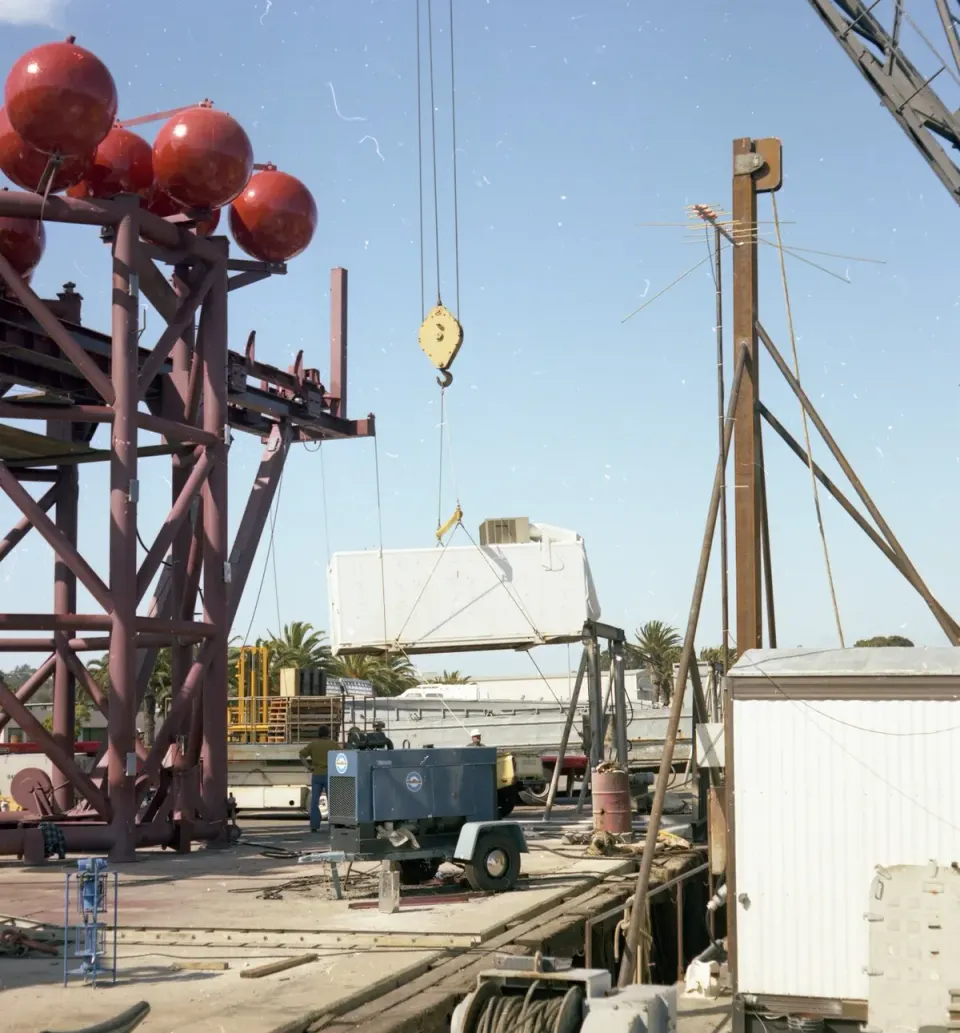
In a continued effort to tighten economic pressure on Tehran, the US Treasury Department has announced new sanctions against Indian and Turkish companies. These firms are accused of actively assisting Iran in circumventing existing oil sanctions, specifically by engaging in deceptive practices such as faking ship registries for countries including Guyana and Laos to disguise the origin of Iranian oil tankers. This move signals Washington's unwavering commitment to disrupting Iran's illicit oil trade networks, even as the political landscape in the US shifts.
These targeted sanctions aim to close critical loopholes that Iran might use to export its oil and generate revenue, directly impacting its financial resources. By going after intermediaries and facilitators, the US seeks to raise the cost and complexity for any entity attempting to aid Iran in bypassing international restrictions. For the Iranian economy, this means increased challenges in maintaining oil export volumes and securing foreign currency, potentially exacerbating domestic economic pressures and influencing market sentiment regarding the Rial's stability.
France Braces for General Strike Amid Cost of Living Crisis
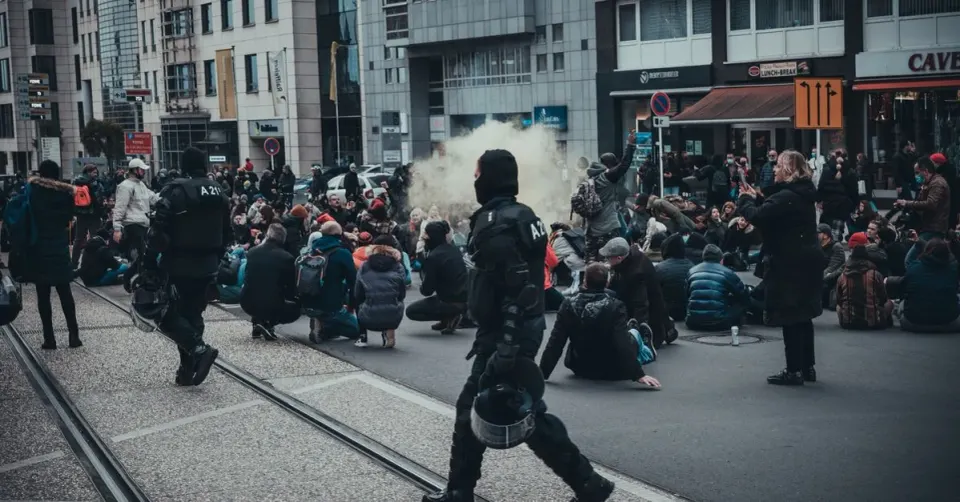
Across Europe, France is now bracing for a nationwide general strike, with more than 220 demonstrations anticipated across the country today. This significant escalation follows weeks of widespread riots and protests fueled by deep-seated public anger over the rising cost of living. The French population is demanding urgent action from its government to address the economic hardships faced by ordinary citizens, highlighting a broader trend of social unrest fueled by inflation and economic inequality across the continent.
The impending general strike is expected to severely disrupt public services, transportation, and various industries, potentially impacting France's economic output and internal stability. This wave of social unrest in a major European economy underscores the fragility of the global economic recovery and the profound impact of inflationary pressures on everyday life. While distinct from the geopolitical tensions in the Middle East, such widespread domestic instability in a G7 nation contributes to a global environment of uncertainty, which can indirectly influence international trade, investment decisions, and overall market sentiment, adding another layer of complexity to an already turbulent world stage.
Frequently Asked Questions
How do US midterm election results impact President Trump's foreign policy decisions, particularly regarding Iran?
What does a 'black swan' event mean in the context of the Iran conflict and global markets?
Which specific companies or countries were targeted by the latest US sanctions related to Iran's oil exports?
How might the general strike in France affect the broader European or global economy?
What were the recent 24-hour price changes for USD/IRR, Gold 18k, and Emami coin in Tehran?
Understanding the 'Black Swan' Event in Global Risk
The term 'Black Swan' event, popularized by statistician and former options trader Nassim Nicholas Taleb, refers to an unpredictable event that is beyond what is normally expected of a situation and has potentially severe consequences. It is characterized by three main attributes: its extreme rarity, its severe impact, and its retrospective predictability—meaning that after the event has occurred, people tend to rationalize it and claim it could have been foreseen, even though no one predicted it beforehand.
These events are significant because they defy conventional risk management models, which often rely on historical data and predictable patterns. A Black Swan event, by its very nature, falls outside these statistical norms, making it impossible to model or prepare for using traditional methods. Examples often cited include the September 11th terrorist attacks, the 2008 global financial crisis (though some debate its unpredictability), and the sudden onset of the COVID-19 pandemic, all of which had profound and widespread impacts that were largely unforeseen.
In the context of the provided headline, 'Markets Warn of 'Black Swan' Risk' regarding potential geopolitical tensions, it signifies that investors and analysts are concerned about an event related to the situation that could be entirely unexpected, have a massive disruptive effect on global markets, and fundamentally alter the economic and political landscape. Such an event, like an unforeseen escalation of conflict or an unexpected policy shift, could trigger rapid and drastic changes in asset prices, exchange rates (like USD/IRR), and commodity values (like gold or oil), far beyond what standard risk assessments might anticipate.
Understanding Black Swan events is crucial not for predicting them—which is impossible—but for fostering resilience and robustness in systems. It encourages individuals, businesses, and governments to build buffers, diversify, and maintain flexibility, recognizing that the most impactful risks are often those that lie completely outside our current frame of reference and predictive capabilities. It shifts the focus from predicting the future to preparing for its inherent uncertainty.
Topics
Related Articles