Trump Proposes 'Triumphal Arch' Amid Midterm Rout; Energy Markets Rally on Iran De-escalation Hopes
پیشنهاد جنجالی «طاق نصرت» ترامپ پس از شکست در انتخابات؛ امید به صلح قیمت گاز در اروپا را کاهش داد
As President Trump pivots to legacy-building projects like a 250-foot Triumphal Arch, energy markets are already pricing in a 'Blue Wave' victory for Democrats. European gas prices have dropped 2% on hopes that a new Congress will force a diplomatic resolution to the Iran conflict.
At time of publishing
USD
267,800
Toman
Gold 18K
26.17M
Toman / gram
Bitcoin
$79,621
US Dollar
Tether
268,188
Toman
Trump’s Triumphal Arch: A Legacy Project Amid Political Turmoil
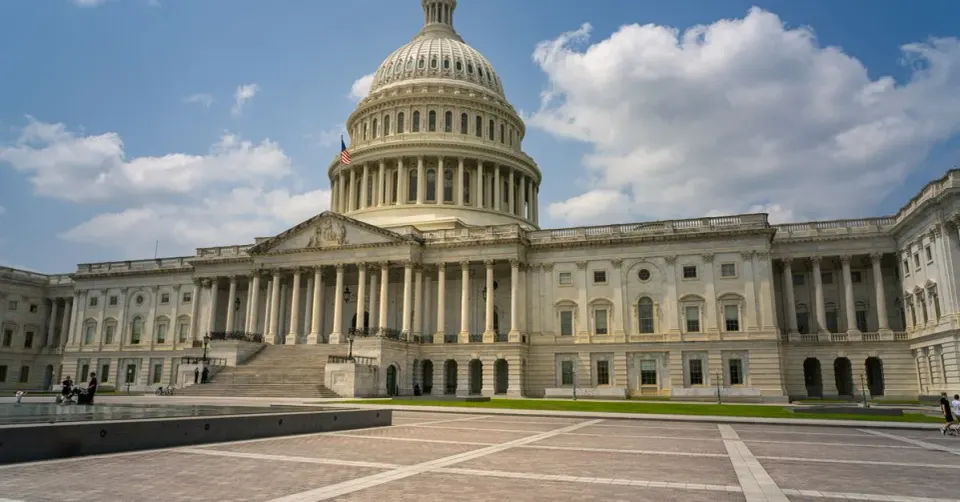
In the wake of a seismic shift in the US political landscape, President Donald Trump has unveiled a provocative plan to construct a 250-foot (79-meter) "Triumphal Arch" in Washington, D.C. The project, intended to commemorate the 250th anniversary of the United States, is seen by many as a strategic move to reshape his legacy following a bruising midterm election. Despite his administration's attempts to cast doubt on the election results, Trump has publicly accepted the outcome, with advisors reportedly admitting the Democratic "Blue Wave" was "too big to rig." This pivot toward monumental architecture follows his previous interventions with the Kennedy Center and the Lincoln Memorial, signaling a desire to leave a permanent physical mark on the capital.
For Iranian observers and global markets, this domestic distraction in Washington carries heavy geopolitical weight. The Democratic sweep of Congress suggests a significant check on Trump’s aggressive foreign policy, particularly regarding the ongoing conflict and sanctions regime against Iran. While Trump retains his executive powers, a hostile Congress can restrict funding and increase oversight, potentially cooling the rhetoric of war. This shift in the American balance of power is the primary driver behind the sudden shift in market sentiment, as investors begin to price in a more restrained US approach to Middle Eastern security and trade routes.
Energy Markets React: Gas Prices Fall on Hopes for Diplomacy
Global energy markets have responded almost immediately to the US midterm results, with European natural gas prices falling by 2% in early Thursday trading. The benchmark Dutch Title Transfer Facility (TTF) saw a decline to its lowest levels in weeks as energy traders anticipate a potential de-escalation of the war involving Iran. The market logic is clear: a Democratic-controlled Congress is expected to push for a diplomatic resolution that could eventually reopen the Strait of Hormuz to consistent LNG and oil flows. This optimism has provided a much-needed reprieve for European industries that have been struggling with high energy costs fueled by regional instability.
However, this relief remains fragile. While the "hope" for an Iran deal is driving prices down, the physical reality on the ground in the Persian Gulf remains tense. The drop in gas prices reflects a shift in risk premiums rather than a change in supply fundamentals. For the Iranian economy, these market fluctuations are a double-edged sword. While lower global energy prices might reduce the potential revenue from future oil exports, the broader trend toward de-escalation could stabilize the Rial. In Tehran, the USD sell rate edged down slightly to 267,800 Toman (-0.1%), reflecting a cautious "wait-and-see" approach by local traders who are weighing the impact of a more constrained Trump administration.
Global Economic Pressure: Interest Rate Hikes and AI Innovation
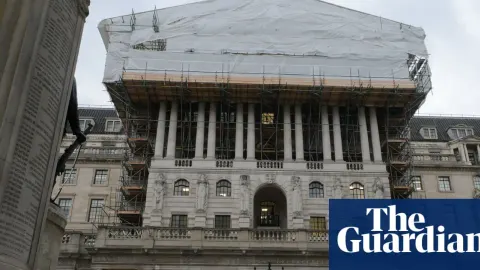
While geopolitics dominates the headlines, the underlying global economy continues to struggle with the inflationary consequences of prolonged conflict. The Bank of England recently hiked interest rates to 4%, a move that has left many households in the UK and beyond feeling the pinch of a second cost-of-living crisis. Economics editors suggest that while one more hike might be on the horizon, the peak of the tightening cycle may be near. This high-interest-rate environment is a direct response to the supply chain disruptions and energy spikes caused by the Iran war, proving that local conflicts now have immediate, painful consequences for global consumers' wallets.
Despite the macro-economic gloom, the tech sector is doubling down on the future of hardware. A YC-backed startup, Discovered Materials, has announced a $1 million initiative to solve five critical materials science problems for AI. By offering $200,000 for each solution, the company aims to find new chip materials that can handle the massive computational demands of next-generation AI. This highlights a growing trend: while the world is distracted by political arches and interest rate hikes, the real battle for future dominance is being fought in laboratories and through AI-driven drug discovery. For the savvy investor, these long-term technological shifts remain the most important signal amidst the short-term noise of election cycles and military posturing.

Geopolitical Health Risks: Ebola Evacuation in Africa
Adding to the global sense of urgency, a British citizen infected with Ebola in the Democratic Republic of Congo is being evacuated to the UK. While the British government maintains that the risk to the public is low, the current outbreak in Africa has already claimed over 5,000 lives. This serves as a stark reminder that even as the world focuses on US elections and Middle Eastern wars, biological threats continue to spread across borders. The evacuation highlights the sophisticated medical logistics required to manage global health crises, a capability that remains under strain as resources are diverted toward military and economic defense.
Watch
Bent on leaving his mark: Trump's proposed 'Triumphal Arch' sparks backlash • FRANCE 24 English
FRANCE 24 English
Frequently Asked Questions
چرا پیروزی دموکراتها در انتخابات میاندورهای آمریکا باعث کاهش قیمت گاز در اروپا شد؟
آیا ساخت طاق نصرت توسط ترامپ قطعی است؟
تاثیر نرخ بهره ۴ درصدی بریتانیا بر بازارهای جهانی چیست؟
Geopolitical Risk and its Influence on Energy and Currency Markets
Geopolitical risk, stemming from international political events like conflicts, diplomatic crises, or policy shifts, is a profound force shaping global financial markets. It introduces significant uncertainty, leading to volatility and rapid price movements across various asset classes. Understanding this concept is crucial for grasping why events far from a trading floor can have immediate and tangible effects on our daily lives, from the cost of heating our homes to the value of our savings.
Nowhere is the impact of geopolitical risk more evident than in commodity markets, particularly energy. Regions rich in oil and natural gas, such as the Middle East, are often at the nexus of geopolitical tensions. Threats of conflict or sanctions can disrupt supply chains, reduce production, or simply instill a "risk premium" into prices as traders anticipate future shortages. Conversely, hopes of de-escalation, as seen with Iran, can alleviate these fears. While a "rally" in energy markets might sometimes imply rising prices due to increased demand, in the context of de-escalation, it more commonly signifies a reduction in the risk premium, leading to stabilization or a fall from previous highs, or a rally in the stocks of energy companies benefiting from a more stable operating environment and improved global economic outlook.
Geopolitical events also exert a powerful influence on currency markets. A nation's political stability and its relationships with other global powers directly impact investor confidence, foreign direct investment, and capital flows. For instance, de-escalation involving a country like Iran could improve its economic prospects, potentially strengthening its currency (the Iranian Rial) against major global currencies like the US Dollar (USD), as investors perceive reduced risk and greater stability. Conversely, heightened tensions typically lead to capital flight and currency depreciation.
The ripple effects of geopolitical risk extend far beyond immediate market reactions. Fluctuations in energy prices can fuel inflation, influencing central bank decisions on interest rates, such as those by the Bank of England. Similarly, shifts in currency values impact trade balances and the competitiveness of exports and imports. Therefore, comprehending geopolitical risk is essential for anyone seeking to understand the intricate interplay between global politics and the economy.