AI Enters Your Wallet: Claude’s Banking Move vs. Nasdaq’s Worst Day in 18 Months
ورود هوش مصنوعی به حسابهای بانکی؛ کلود رقیب بانکداران شد / سقوط ۵ درصدی نزدک در پی نتایج انتخابات آمریکا
Anthropic’s Claude now connects directly to bank accounts via Plaid, marking a shift toward AI-driven financial agents. Meanwhile, Wall Street faces a brutal correction as the tech-heavy Nasdaq plunges 5% following US midterm results and fears of tighter AI regulation.
At time of publishing
USD
268,200
Toman
Gold 18K
26.09M
Toman / gram
Bitcoin
$76,064
US Dollar
Tether
271,026
Toman
The Rise of the AI Financial Agent
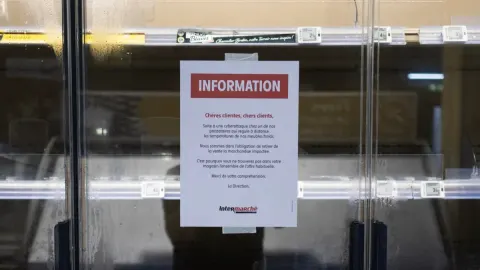
In a move that signals the next frontier for generative artificial intelligence, Anthropic has announced that its AI assistant, Claude, can now connect directly to users' bank accounts and credit cards. This integration, powered by the Plaid financial bridging platform, allows Claude to analyze real-time spending habits, identify subscription leaks, and answer complex questions like "where did my money go this month?" While AI has long been used for data analysis, this represents a significant shift toward 'agentic' AI—tools that don't just generate text but interact with a user's actual life and sensitive data to provide actionable insights.
This development matters because it positions AI as a direct competitor to traditional fintech apps and personal wealth managers. By bypassing static dashboards in favor of a conversational interface, Anthropic is betting that users prefer asking a bot for financial advice rather than navigating complex spreadsheets. However, the move also raises massive privacy and security questions. Entrusting a large language model with direct access to banking credentials—even through a secure intermediary like Plaid—will be a litmus test for consumer trust in the AI era. For startups and fintech incumbents, the message is clear: the dashboard is dying, and the AI agent is the new gatekeeper of personal capital.
Wall Street’s Post-Election Hangover
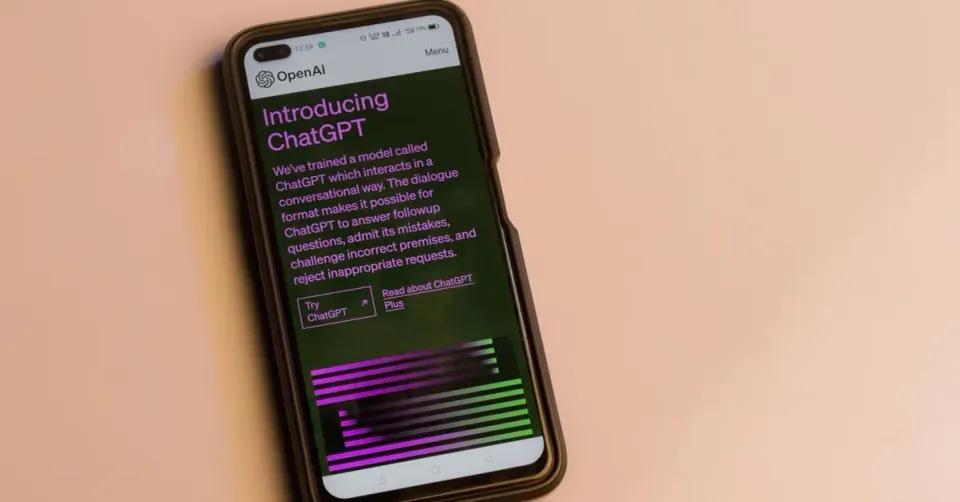
The euphoria following the US midterm elections has evaporated rapidly on Wall Street. On Thursday, the tech-heavy Nasdaq index plummeted by 5%, marking its worst single-day performance in 18 months. This sharp correction comes as investors digest the reality of a shifting political landscape in Washington, where Democrats have flipped key House seats, raising the likelihood of aggressive antitrust actions and stricter regulations on the artificial intelligence sector. Stocks like Micron, Sandisk, and Bloom Energy were among the hardest hit, as the market began to price in a potential slowdown in the massive data-center buildout that has fueled the AI rally for the past two years.
In Tehran, the local markets showed relative resilience despite the global volatility. The US Dollar remained stable at 268,200 Toman (a negligible 0.0% change over 24 hours), but the gold market saw a slight uptick in demand as a hedge against global uncertainty. Gold 18k rose from 25,975,345 to 26,086,153 Toman (+0.4%), while the Emami coin climbed 0.9% to reach 267,000,000 Toman. This divergence suggests that while global tech investors are fleeing to cash, Iranian traders are maintaining their positions in hard assets, wary of how a more regulated US tech sector might impact broader global liquidity and the strength of the greenback.
Hybrid Warfare and Social Fragility in Europe
Europe is currently grappling with a dual crisis of security and social unrest that has sent shockwaves through its aviation and public sectors. On Thursday, more than 25 flights across the continent were disrupted by a series of coordinated bomb threats, forcing emergency landings and massive diversions in countries ranging from Italy to Finland. Security experts are increasingly viewing these hoaxes not as isolated incidents, but as a form of 'hybrid warfare' designed to test the responsiveness of European security infrastructure and spread psychological panic among the traveling public. The coordination required to trigger alerts across 15 different nations simultaneously suggests a level of sophistication that points toward state-sponsored or highly organized non-state actors.
Simultaneously, France is being paralyzed by a general strike that reflects a deeper decay in the European social contract. Trade union leaders, such as Gaëlle Martinez of Solidaires, have framed the protests as a struggle for 'economic dignity' rather than just a wage dispute. With public services like schools and hospitals in what she describes as 'very, very bad shape,' the strike highlights the growing tension between fiscal restraint and the rising cost of living. For the global economy, this instability in Europe—combined with the threat of expanded conflict in the Middle East—creates a high-risk environment for energy prices and supply chains, particularly as US refineries shift production away from gasoline toward diesel and jet fuel to capture higher margins.
Regional Diplomacy Amidst 'Disaster' Warnings
In the Middle East, the diplomatic machinery is working overtime to prevent a wider escalation as political figures in the West warn of a 'disaster' on the horizon. Iranian Foreign Minister Abbas Araghchi held a significant phone call with his Pakistani counterpart, Mohammad Ishaq Dar, to discuss regional developments and diplomatic initiatives. This outreach comes at a critical time when Nigel Farage and other international observers have expressed concern that Donald Trump might step up military pressure or direct conflict with Iran following what has been described as a 'disastrous' midterm showing for his party. The fear is that a politically wounded administration might seek a foreign policy 'win' through hawkish maneuvers in the Persian Gulf.
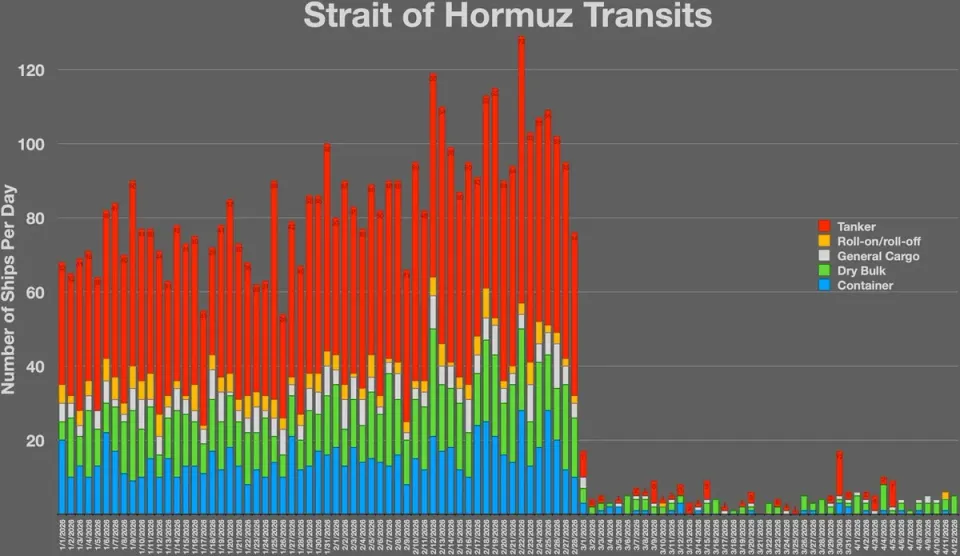
For the average Iranian citizen, these diplomatic maneuvers are inseparable from the daily cost of living. While the official exchange rate held steady today, the shadow of renewed sanctions or military escalation looms over every market transaction. The recent shift in US refining economics—where gasoline yields have hit five-year lows—could eventually impact global fuel prices, adding another layer of inflationary pressure to an already strained Iranian economy. As regional powers like Turkey unveil massive $500 billion energy plans to seek independence, Iran remains caught between the need for diplomatic de-escalation and the reality of a world that is increasingly hedging against the next 'black swan' event in the Strait of Hormuz.
Frequently Asked Questions
آیا اتصال هوش مصنوعی به حساب بانکی امن است؟
چرا شاخص نزدک ۵ درصد سقوط کرد؟
علت اختلال در پروازهای اروپا چیست؟
Open Banking and API Integration: How Plaid Connects AI to Your Money
Open banking is a regulatory and technological framework that requires banks to share customer data with third‑party providers through secure application programming interfaces (APIs). The goal is to give consumers more choice, foster competition, and enable innovative services such as budgeting apps, instant payments, and, increasingly, artificial‑intelligence‑driven personal finance assistants. By standardising how data is accessed, open‑banking APIs turn what was once a closed, proprietary system into a modular ecosystem where developers can build on top of existing bank infrastructure.
Plaid is one of the most prominent fintech companies that acts as an intermediary between banks and these third‑party apps. When a user links a bank account in a budgeting tool, Plaid’s SDK handles the authentication, pulls transaction histories, balances, and account details via the bank’s API, and then passes the information to the app in a normalized format. This eliminates the need for each app to negotiate separate contracts with every financial institution, dramatically lowering integration costs and speeding up product launches.
The recent partnership between Anthropic’s Claude AI and Plaid illustrates the next evolution: AI agents that can read, interpret, and even act on real‑time banking data. Imagine a conversational assistant that can automatically categorise expenses, suggest cash‑flow optimisations, or even initiate payments after you approve them verbally. While the convenience is compelling, it also raises questions about data privacy, consent, and the potential for algorithmic bias in financial decision‑making. Regulators are therefore scrutinising how AI models are trained on sensitive financial data and what safeguards are in place to prevent misuse.
For consumers, the key takeaway is that open‑banking APIs and platforms like Plaid are the invisible plumbing that makes AI‑powered finance possible. Understanding the basics helps you evaluate the trade‑offs between convenience and security, and empowers you to make informed choices about which services you allow to access your financial information.