US Issues Cyber Alert Amid Mass Freezer Hacks; Nasdaq Plunges on AI Regulation Fears
هشدار امنیتی آمریکا در پی هک گسترده زیرساختهای حیاتی؛ سقوط سنگین نزدک با پیروزی دموکراتها
The US government has issued an urgent warning following massive cyberattacks on industrial and military infrastructure, while Wall Street's tech giants face their worst sell-off in 18 months. As Democrats secure key midterm victories, investors are fleeing AI stocks in anticipation of strict new regulations.
At time of publishing
USD
268,200
Toman
Gold 18K
26.09M
Toman / gram
Bitcoin
$76,078
US Dollar
Tether
271,203
Toman
The Silent Threat: US Warns of Mass Infrastructure Hacks
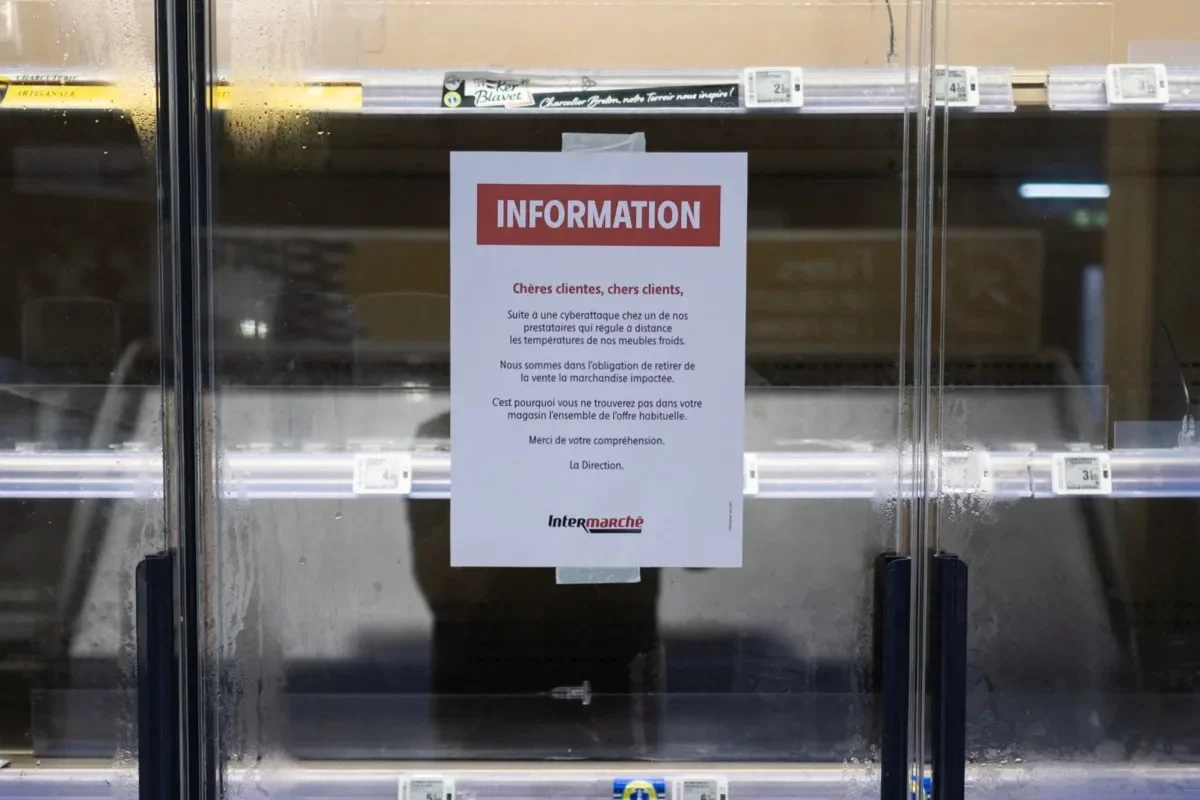
In a startling development late Thursday, November 5, 2026, the United States government issued a joint statement warning of an "ongoing and sophisticated cyber threat" that has successfully compromised industrial, retail, and military cooling systems. This is not a localized incident; reports indicate that mass hacks have targeted the freezers and climate control systems essential for food supply chains, pharmaceutical storage, and military logistics. While the perpetrators have not been officially named, the scale and precision of the attacks suggest a state-sponsored or highly organized actor capable of exploiting vulnerabilities in the Internet of Things (IoT) devices that manage these critical systems.
The implications of these hacks are far-reaching. Beyond the immediate spoilage of perishable goods, the breach signals a vulnerability in the digital backbone of Western infrastructure. By targeting the "boring" but essential hardware of modern life—like industrial freezers—adversaries can cause massive economic disruption without firing a single shot. The US Cybersecurity and Infrastructure Security Agency (CISA) has urged all operators of industrial control systems to implement immediate security patches, as the threat is believed to be active and expanding into the transportation and healthcare sectors.
Wall Street’s AI Fever Breaks Amid Democratic Midterm Surge
The technology sector is reeling as the Nasdaq composite index recorded its worst trading day in 18 months, plunging by as much as 5% on Thursday. This massive sell-off comes as investors digest the results of the US midterm elections, where Democrats have flipped significant seats in the House and Senate. The market's primary fear is that a Democratic-led Congress will move swiftly to impose aggressive regulations on the artificial intelligence industry, which has enjoyed a relatively light-touch regulatory environment until now. Shares in Nvidia have officially entered bear market territory, falling more than 20% from their recent highs, as bargain hunters begin to circle the wreckage looking for a floor.
The carnage is not limited to public markets. Elon Musk’s SpaceX has seen its valuation take a hit in secondary markets as the broader tech and AI sentiment sours. The "AI slowdown" narrative is gaining traction as the costs of building massive data centers face increasing political and environmental opposition. Meta has already warned that local backlash against data center construction could severely hamper the expansion of AI capabilities. For the average investor, this represents a fundamental shift: the era of blind optimism in AI growth is being replaced by a cold calculation of regulatory risk and infrastructure limitations.
The Geopolitical Cost: From Hormuz Tankers to Social Security
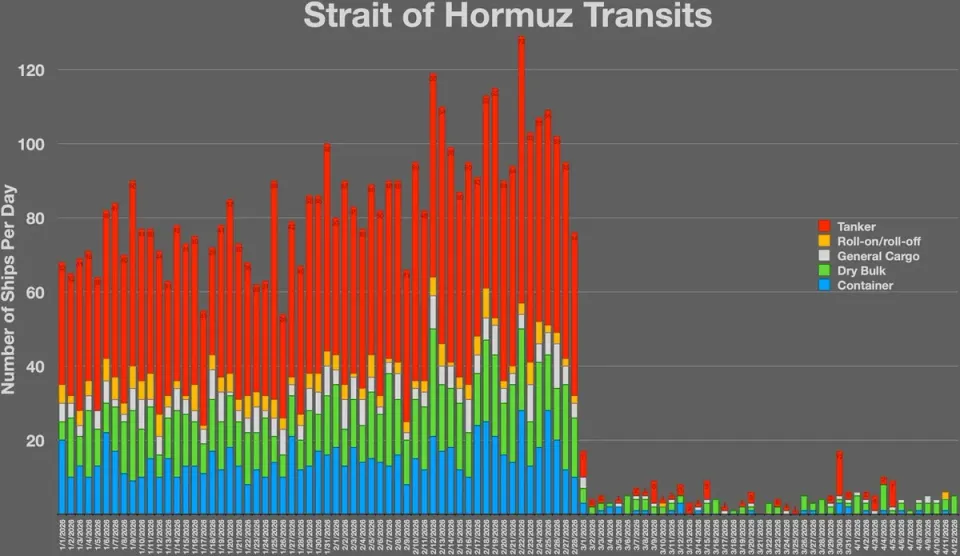
As global markets fluctuate, the shadow of conflict in the Middle East continues to darken the economic outlook. Reports from the Strait of Hormuz indicate that five oil tankers and a tugboat have caught fire in what Iranian sources describe as a series of targeted strikes. This escalation in the world’s most vital oil chokepoint has sent ripples through the energy markets, even as Guyana’s oil boom attempts to mitigate the global supply crunch. The tension is no longer just a regional concern; it is a direct driver of global inflation, keeping energy prices at historic highs and complicating the Federal Reserve's efforts to stabilize the US economy.
Furthermore, the long-term cost of these geopolitical maneuvers is beginning to manifest in domestic policy. Analysts are now warning that the financial burden of the ongoing tensions with Iran is creating a "mathematical certainty" that US Social Security will be impacted. The massive military expenditures and the inflationary pressure of the conflict are draining resources that would otherwise support the aging American population. In Tehran, the market has responded with cautious volatility; while the USD/IRR remained relatively flat at 268,200, the price of Emami coins rose by 0.9% to 267,000,000 Toman, reflecting a continued flight to physical gold as a hedge against global instability.
Frequently Asked Questions
Why are industrial freezers being hacked?
How did the US midterm elections cause a stock market crash?
What is the 'bear market' mentioned for Nvidia?
How does the Iran conflict affect US Social Security?
How AI Regulation Shapes Stock Markets: The Nvidia and Nasdaq Example
Artificial intelligence (AI) has moved from a research curiosity to a core driver of revenue for many technology firms, especially chipmakers like Nvidia. As AI models become more powerful, governments worldwide are scrambling to craft regulations that address issues such as data privacy, algorithmic bias, and the potential for autonomous weapons. These policy efforts are not merely academic; they can directly affect a company’s product roadmap, cost structure, and ultimately its valuation on public markets.
When regulators signal stricter oversight—whether through mandatory model audits, licensing requirements, or limits on high‑risk AI applications—investors often react swiftly. The Nasdaq Composite, heavily weighted toward tech stocks, can experience sharp sell‑offs as traders price in the risk of delayed product launches or increased compliance expenses. In early 2026, a series of proposed AI bills in the United States sparked a sudden plunge in the Nasdaq, with Nvidia’s shares falling over 15% in a single week, illustrating how regulatory sentiment can translate into market volatility.
The mechanism behind this reaction is rooted in expectations of future cash flows. Analysts discount a firm’s earnings based on perceived risk; heightened regulatory risk raises the discount rate, compressing present‑value estimates. For Nvidia, a large portion of its growth outlook hinges on the continued expansion of AI‑accelerated data centers. If new rules limit the deployment of certain GPU‑driven workloads, the company’s growth trajectory could be curtailed, prompting investors to adjust their forecasts.
However, regulation can also create opportunities. Clear, consistent rules may lower barriers to entry for smaller firms that previously struggled with legal uncertainty, fostering competition and innovation. Moreover, companies that invest early in compliance—building robust governance frameworks, transparent model documentation, and ethical AI practices—can differentiate themselves and potentially capture market share from laggards.
Understanding the interplay between AI policy and market dynamics is essential for anyone watching tech equities. While short‑term price swings may be dramatic, the longer‑term impact will depend on how effectively firms adapt to the evolving regulatory landscape and how policymakers balance innovation incentives with societal safeguards.