US Midterms Signal 'End of Maga,' Ripple Through Global Politics Amid Regional Tensions
انتخابات میاندورهای آمریکا پایان «ماگا» را نوید میدهد؛ تنشهای منطقهای و تغییرات سیاسی جهانی
The recent US midterm elections have been widely interpreted as a significant setback for the 'Maga' movement, signaling a potential shift in American political dynamics with global implications. This political tremor arrives amidst ongoing regional tensions, as Iran's IRGC publicly challenges CENTCOM, and the US election results are seen to influence Israel's internal political landscape.
At time of publishing
USD
267,500
Toman
Gold 18K
26.02M
Toman / gram
Bitcoin
$75,962
US Dollar
Tether
268,796
Toman
US Midterms Reshape Republican Landscape, Signal 'End of Maga'
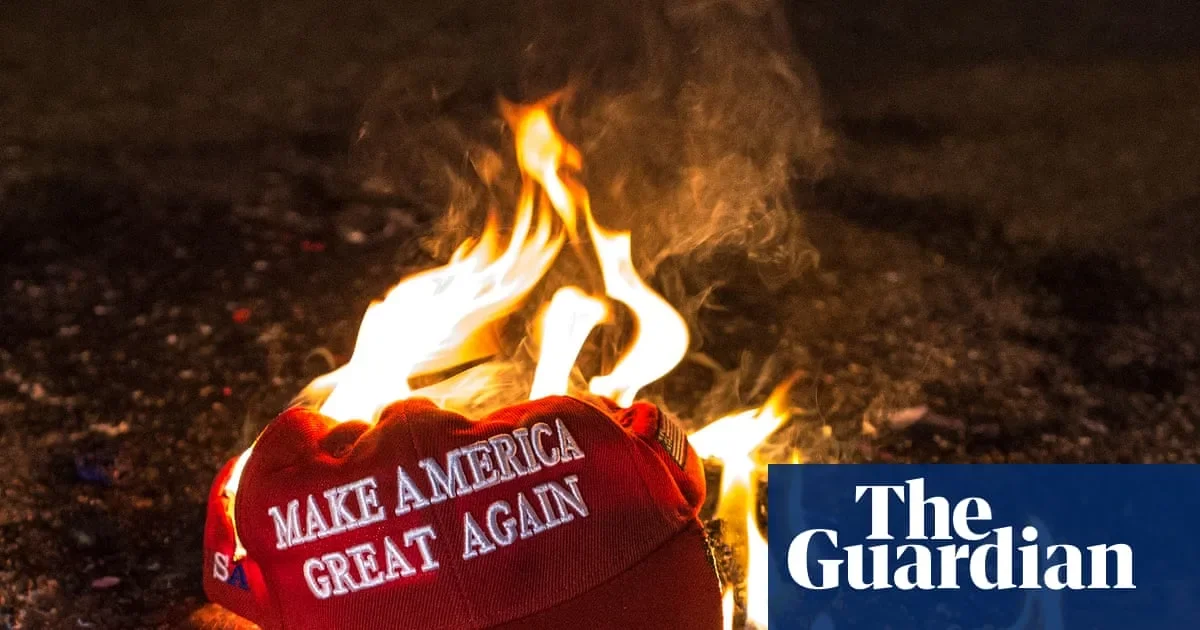
The recent US midterm elections have delivered a significant blow to the Republican party, particularly those aligned with the 'Maga' movement, leading many to interpret the results as a pivotal moment marking the "end of Maga as we know it." Voters, such as financial adviser Tarik Bakir, cited dissatisfaction with foreign policy, specifically mentioning the "Iran war," and concerns over the economy as key motivators for shifting their allegiance back to the Democrats. This widespread sentiment reflects a broader public desire for a change in direction from the policies and rhetoric associated with Donald Trump.
This electoral outcome carries substantial weight for the future of American politics, potentially setting the stage for new leadership and policy priorities. The Democrats' strong performance suggests a public appetite for more moderate governance and a re-evaluation of US engagements both domestically and abroad. For the global community, including Iran, this shift could signal evolving US foreign policy approaches, though the precise nature and extent of these changes will only become clear as the new political landscape takes shape. It implies a period of regrouping for the Republican party, forcing a reassessment of its platform and leadership for upcoming elections.
IRGC Spokesperson Mocks CENTCOM Commander’s Remarks on US Drones
In a direct display of ongoing regional tensions, Brigadier General Hossein Mohebbi, spokesperson for Iran's Islamic Revolution Guards Corps (IRGC), publicly mocked remarks made by the commander of the US Central Command (CENTCOM). The comments specifically targeted CENTCOM's assertions regarding the transformation of multimillion-dollar American MQ drones into kamikaze unmanned aerial vehicles, suggesting Iran's perceived ability to counter advanced US military technology.
This rhetorical challenge underscores the persistent military and ideological standoff between Tehran and Washington. Such public exchanges are not merely symbolic; they reflect a deeper struggle for regional influence and technological superiority, contributing to an environment of mistrust and potential escalation. For observers in the region and globally, these remarks serve as a reminder of the volatile nature of the US-Iran relationship, where even seemingly minor comments can ignite a war of words with broader geopolitical implications. The implied threat and counter-threat dynamics keep regional stability on edge, impacting investor confidence and strategic calculations.

US Midterm Results May Influence Israeli Politics, Netanyahu's Future
The Democratic sweep in the recent US midterm elections is poised to have significant ripple effects on Israeli domestic politics, potentially empowering the divided opposition to unite and challenge Prime Minister Benjamin Netanyahu's leadership. Netanyahu has consistently aligned himself closely with Donald Trump's Republican party, making the Democratic victory a potential political vulnerability for his coalition. The shift in US political power dynamics could increase the urgency for his opponents to overcome internal divisions and form a more cohesive front.
This development highlights the intricate connections between US internal politics and the stability of its allies in the Middle East. A weakened Netanyahu, or a change in Israeli leadership, could lead to a reassessment of Israel's foreign policy priorities, particularly concerning its relationship with the United States and regional strategies. While immediate changes are unlikely, the long-term implications for regional alliances, the Israeli-Palestinian conflict, and broader geopolitical strategies in the Middle East are considerable, creating a period of strategic uncertainty for all players involved.
UK Parliament Restoration Delays Frustrate Commons Speaker
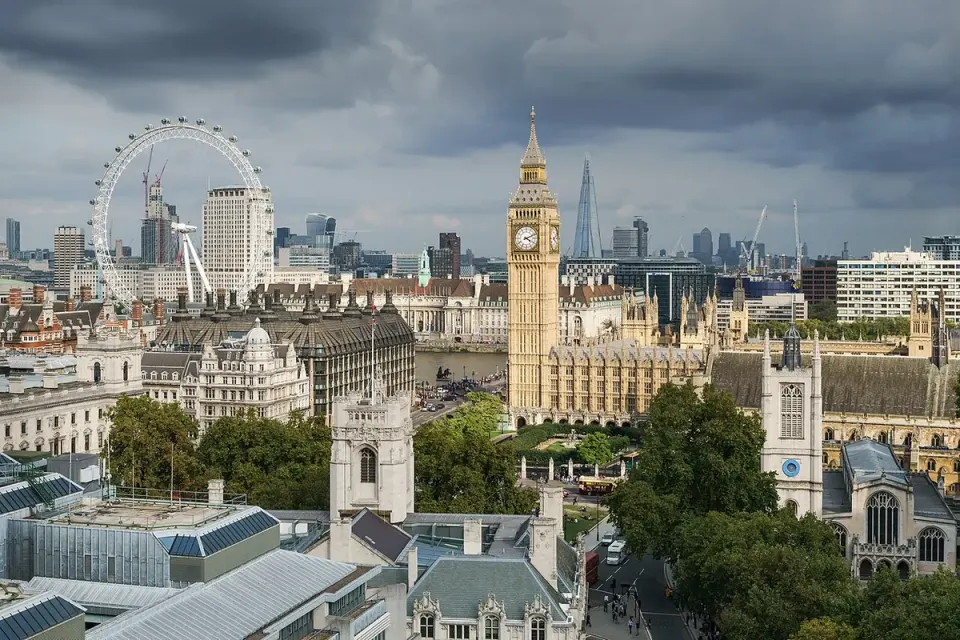
Sir Lindsay Hoyle, the Speaker of the House of Commons, has voiced his frustration over persistent delays in the crucial restoration project for the Houses of Parliament. A parliamentary committee has warned that it is "crunch time" for the ailing historic building, emphasizing the urgent need for action to prevent further deterioration and ensure the safety and functionality of one of the UK's most iconic structures. The project, which involves extensive repairs and modernization, has been plagued by logistical, financial, and political hurdles.
These delays underscore the complex challenges faced by major economies in maintaining critical national infrastructure, especially when dealing with historically significant buildings. While the immediate impact on global markets or Iranian readers is minimal, such governance challenges in a G7 nation can subtly influence perceptions of administrative efficiency and political stability. Prolonged indecision and escalating costs can reflect on broader economic management, highlighting the difficulties inherent in balancing historical preservation with modern functional requirements and fiscal responsibility. It's a testament to the universal struggle of old institutions adapting to new realities.
Thomas Markle Charged in Florida in Child Sexual Abuse Material Case
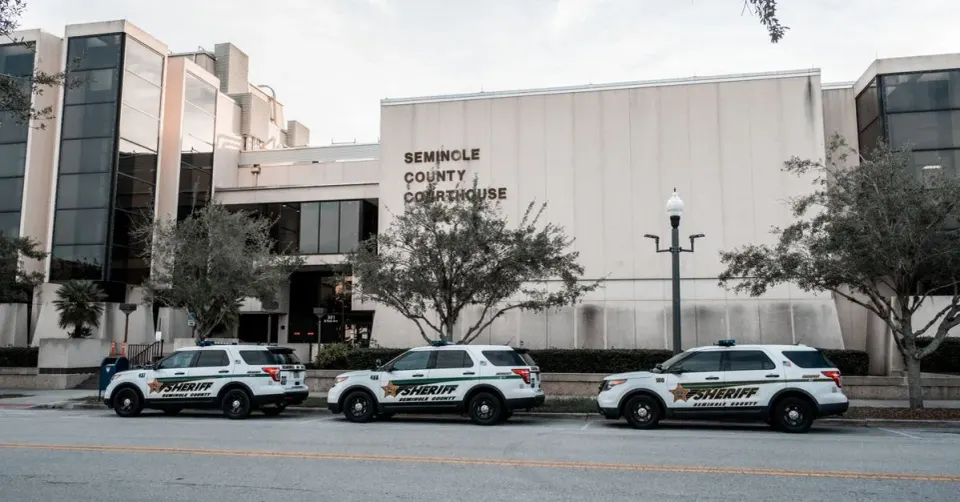
Thomas Markle, the father of Meghan, the Duchess of Sussex, was arrested and subsequently charged in Florida in connection with the possession of child sexual abuse material. US federal agents took Markle into custody near Tampa, with the FBI confirming the charges. The high-profile arrest of a figure connected to the British royal family has garnered significant international media attention, shining a spotlight on a deeply disturbing legal matter.
This development, while a major international news story due to the celebrity aspect, carries no direct or indirect impact on Iranian currency expectations, sanctions, trade, prices, or overall financial confidence. It is a prominent legal case that underscores the global reach of news and the scrutiny public figures, or those associated with them, can face. Its relevance to Arzbin's core audience is primarily as a general international news item, highlighting an event that has captured global attention, rather than one with direct economic or geopolitical implications for Iran or financial markets.
Frequently Asked Questions
What is the significance of the US midterm election results for the 'Maga' movement?
How do the US midterm results impact US-Iran relations or regional tensions?
What was the recent development regarding Iran's IRGC and CENTCOM?
How did the US midterm elections influence Israeli politics?
What were the key movements in the Iranian domestic market today?
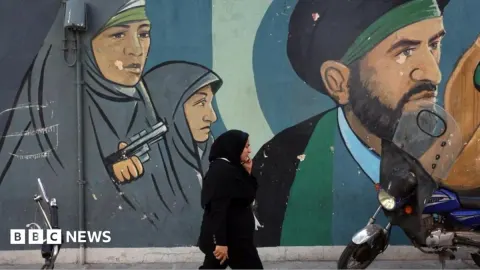
The Islamic Revolutionary Guard Corps (IRGC): Iran’s Parallel Military Power
The Islamic Revolutionary Guard Corps, commonly known by its Persian acronym IRGC (سپاه پاسداران انقلاب اسلامی), is a sprawling institution that operates alongside Iran’s regular armed forces. Founded after the 1979 Islamic Revolution to protect the new regime, the IRGC has grown into a multifaceted organization that includes ground forces, a navy, an aerospace division, and a powerful elite‑Qods Force tasked with overseas operations. Unlike the conventional army, the IRGC is directly answerable to the Supreme Leader, giving it a unique political clout within Iran’s power structure.
Beyond its military role, the IRGC runs a vast economic empire that spans construction, telecommunications, oil and gas, and even cultural industries. This economic muscle allows the corps to fund its activities, reward loyalists, and exert influence over civilian institutions. Critics argue that the IRGC’s entanglement in the economy creates a shadow state that undermines transparency and fuels corruption, while supporters claim it safeguards national sovereignty against external pressure.
Internationally, the IRGC has become a focal point of geopolitical tension. The United States designated the entire organization as a foreign terrorist entity in 2019, a move that expands sanctions to any individual or company dealing with the corps. The elite Qods Force, in particular, has been linked to proxy wars in Iraq, Syria, Yemen, and Lebanon, where it supports militias aligned with Tehran’s strategic interests. These activities bring the IRGC into direct contact with U.S. Central Command (CENTCOM) and shape the broader calculus of regional security.
Understanding the IRGC is essential for grasping why Iran’s domestic politics—such as the influence of hard‑line factions in parliament—intersect with global events like U.S. midterm elections or diplomatic overtures from Israel and the United Kingdom. The corps acts as both a domestic power broker and an external instrument of Iranian foreign policy, making it a key player in the complex web of Middle‑East geopolitics.
For those who want to explore further, the IRGC’s evolution from a revolutionary guard to a quasi‑state actor illustrates how military institutions can transcend traditional defense roles and become central to a nation’s political and economic life.