
Krakow Mass Shooting Shakes Europe as US Inflation Forces 2027 Tax Overhaul
تیراندازی مرگبار در قلب کراکوف؛ همزمان با شوک تورمی در جداول مالیاتی ۲۰۲۷ آمریکا
A deadly shooting in Krakow's historic square has triggered a security alert in Europe, while the US Treasury releases aggressive 2027 tax bracket adjustments to combat persistent inflation. Meanwhile, a major loophole in Nvidia’s China export controls has been exposed, raising questions about tech security.
At time of publishing
USD
266,200
Toman
Gold 18K
25.59M
Toman / gram
Bitcoin
$75,720
US Dollar
Tether
267,436
Toman
Tragedy in Krakow: Mass Shooting in Poland’s Historic Heart
In a shocking breach of security in one of Europe’s most popular tourist destinations, a gunman opened fire in Krakow’s Main Market Square on Saturday. According to Polish police and official statements from Prime Minister Donald Tusk, at least five people were killed and more than a dozen others injured when the perpetrator began shooting from a vehicle. The suspect was eventually shot by responding officers and transported to a hospital under heavy guard. The attack has sent ripples of fear through the region, with U.S. Ambassador Tom Rose describing the event as a "savage and murderous attack" that has shattered the peace of a nation typically known for its stability.
While the motive remains under investigation, the incident highlights a growing concern regarding public safety and the potential for lone-wolf domestic terrorism or politically motivated violence in Eastern Europe. For global markets, such events often trigger a temporary flight to safety, though the immediate impact has been localized to Polish assets. However, the geopolitical weight of a mass casualty event in a NATO member state cannot be understated, especially as European leaders scramble to determine if the attack has broader international links or was an isolated act of criminality.

Inflation’s Long Shadow: US Unveils 2027 Tax Bracket Adjustments
Across the Atlantic, the economic reality of persistent inflation has manifested in the early release of the 2027 U.S. tax brackets. The Internal Revenue Service and the Treasury Department have announced significant upward adjustments to income thresholds and the standard deduction. These changes are designed to prevent "bracket creep," where inflation pushes taxpayers into higher tax percentages despite their real purchasing power remaining stagnant or even decreasing. The 2027 adjustments are notably steeper than previous years, a concrete signal from Washington that the inflationary environment is far more entrenched than previously admitted by policymakers.
This policy shift has profound implications for global dollar liquidity and consumer spending. By adjusting the SALT (State and Local Tax) breaks and standard deductions, the U.S. government is attempting to provide a buffer for middle-class households. However, for investors, the move confirms that the Federal Reserve's battle against rising prices is far from over. This macro backdrop is a primary driver behind the current strength of the U.S. Dollar and the record-breaking performance of gold, which currently sits at a staggering $4,072.10 per ounce. As tax policy shifts to accommodate a high-price environment, the ripple effects will be felt in everything from corporate earnings to international trade balances.
The Silicon Leak: Nvidia’s Empty Office Loophole in China
A major investigative report has revealed that U.S. export controls on high-end AI technology are significantly more porous than the Commerce Department has claimed. It has been discovered that Nvidia was permitted to sell its advanced H200 AI chips to a firm called "New Matrix" in China, only for investigators to find that the company’s registered offices were entirely empty shells. This revelation suggests a massive failure in due diligence by both the tech giant and U.S. regulatory bodies, as these chips are strictly restricted to prevent Chinese military advancement in artificial intelligence.
The implications of this security lapse are two-fold. First, it likely invites a new wave of aggressive regulatory crackdowns on the semiconductor industry, which could lead to increased volatility for tech stocks. Second, it underscores the difficulty of decoupling global supply chains in the age of AI. If high-performance hardware can be diverted through shell companies so easily, the current sanctions regime against Beijing may be functionally obsolete. For the broader market, this story serves as a reminder that the tech cold war is intensifying, and the "empty office" scandal may just be the tip of the iceberg in a much larger illicit trade network.
Tehran Market Correction Amid Regional Fortification Claims
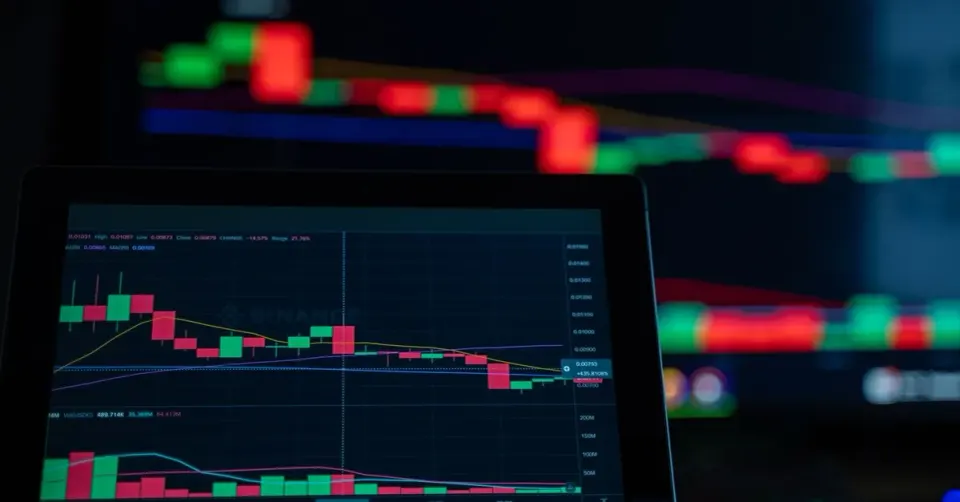
In the Iranian domestic market, the start of the week on Saturday, November 7, 2026 (16 Aban 1405), saw a slight correction in currency and gold prices. The USD/IRR exchange rate moved from 267,500 to 266,200, representing a 0.5% decrease over the last 24 hours. Similarly, the gold market saw more pronounced cooling, with the Emami coin dropping from 267,000,000 to 260,000,000 Toman, a 2.6% decline. This downward trend suggests a temporary stabilization after a period of intense volatility, though the underlying geopolitical risks remain elevated as the IRGC claims to be expanding its network of underground "missile cities" to protect production from potential aerial strikes.
Despite the IRGC's rhetoric regarding underground weapon facilities—a claim that state media uses to project strength but which lacks independent verification—the market seems more focused on immediate liquidity and regional diplomatic signals. The drop in gold prices (down 1.2% per gram of 18k gold) reflects a global pause in the metal's rally, but for Iranian savers, the volatility remains a primary concern. As the 20:00 Tehran hour passes, the focus remains on whether the current correction in the Toman is a brief respite or the beginning of a sustained trend toward stability in the face of ongoing regional friction.
Frequently Asked Questions
Why did the US release 2027 tax brackets so early?
What is the 'New Matrix' scandal involving Nvidia?
How did the Krakow shooting impact global markets?
The Far-Reaching Economic Impact of Inflation
Inflation, often described as the rate at which the general level of prices for goods and services is rising, and consequently, the purchasing power of currency is falling, is a fundamental economic phenomenon with profound ripple effects. When inflation accelerates, a dollar today buys less than it did yesterday, eroding the value of savings and making future planning more uncertain. This economic force touches nearly every aspect of daily life, from the cost of groceries to the value of investments, and even government fiscal policy.
One significant, yet often overlooked, impact of inflation is on taxation, particularly through a phenomenon known as "bracket creep." In progressive tax systems, where higher incomes are taxed at higher rates, inflation can push individuals into higher tax brackets even if their real (inflation-adjusted) income has not increased. For instance, if wages rise merely to keep pace with inflation, a person's nominal income might increase, moving them into a higher tax bracket and subjecting them to a greater tax burden, effectively reducing their real disposable income without any legislative change to tax rates. This is precisely why discussions around "US Inflation Forces 2027 Tax Overhaul" become critical, as governments may need to adjust tax brackets to prevent such unintended tax increases.
Inflation also dramatically influences asset prices and currency valuations. As the purchasing power of a national currency diminishes, individuals and institutions often seek to preserve wealth by investing in assets perceived as "safe havens" or those that historically perform well during inflationary periods. Gold, for example, is a classic inflation hedge, and its price often surges during times of high inflation, as seen with discussions around a "Gold price 4000." Conversely, high inflation can lead to the depreciation of a local currency against more stable foreign currencies, like the "USD IRR price" reflecting the Iranian Rial's value against the U.S. Dollar. In such environments, alternative stores of value, such as specific coins like the "Emami coin price," can emerge as popular choices for domestic wealth preservation.
Ultimately, understanding inflation is crucial for navigating economic landscapes, whether as an individual managing personal finances or as a policymaker crafting national economic strategies. Its pervasive influence necessitates careful consideration in everything from investment decisions and wage negotiations to government spending and tax reforms. Central banks actively monitor and aim to control inflation through monetary policy, recognizing its critical role in maintaining economic stability and public confidence.