Hormuz Brinkmanship: Drone Downed as Qatar Proposes Nuclear Inspection Trade-Off
تنش در هرمز: سرنگونی پهپاد آمریکایی و طرح پیشنهادی قطر برای بازگشایی تنگه
Tensions in the Persian Gulf reached a boiling point this Saturday as the Iranian Army claimed to have shot down a US MQ-9 drone, while Qatar floated a high-stakes diplomatic deal to reopen the Strait of Hormuz in exchange for nuclear inspections.
At time of publishing
USD
267,300
Toman
Gold 18K
25.80M
Toman / gram
Bitcoin
$75,958
US Dollar
Tether
268,796
Toman
Military Escalation: US MQ-9 Drone Downed Near Qeshm
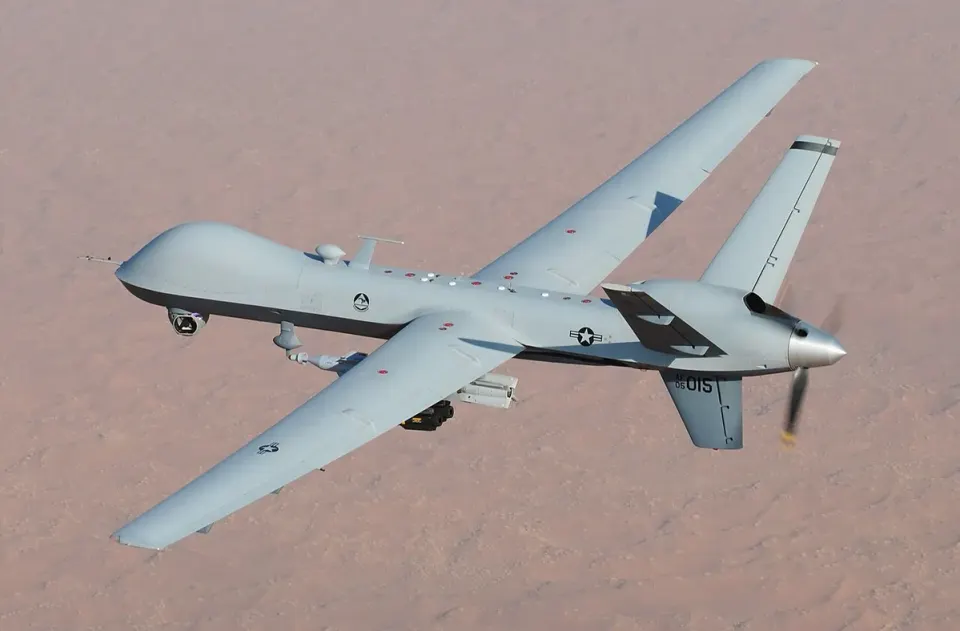
At 11:00 Tehran time on Saturday, November 7, 2026, the Army of the Islamic Republic of Iran reported through state media that its air defense units intercepted and destroyed an MQ-9 Reaper drone belonging to the United States. The incident allegedly occurred over Qeshm Island, a strategic point within the Strait of Hormuz. This escalation follows weeks of maritime friction and a de facto blockade of the waterway, which Iranian officials have threatened to maintain until the United States meets specific, though often shifting, geopolitical demands.
Brigadier General Mohammad Akraminia, an Army spokesperson, reinforced this hardline stance, claiming that the Armed Forces maintain total control over the Strait. According to state-affiliated reports, the military intends to keep the passage closed to international traffic as long as the U.S. refuses to accept Tehran's terms. This aggressive posture has sent ripples through global energy markets, as the Strait remains the world's most critical chokepoint for oil and gas transit. For the average Iranian, this military friction translates directly into market volatility, even as the domestic currency remains relatively stable for the moment.
The Qatari Lifeline: A Proposal for Nuclear Inspections
Amidst the smoke of downed drones, a diplomatic path has emerged from Doha. Qatar, acting as the primary mediator between Washington and Tehran, is reportedly floating a plan to de-escalate the crisis and reopen the Strait of Hormuz. The core of the proposal involves Iran allowing UN nuclear inspectors back into its bombed nuclear sites, specifically those housing stockpiles of highly enriched uranium. In return for this transparency, the international community would work toward lifting the maritime blockade that has paralyzed regional trade.
Crucially, the Qatari plan suggests that Iran would not be forced to export its uranium stockpile—a long-standing red line for Tehran. Instead, options like "down-blending" the uranium to lower enrichment levels are being discussed. While the Trump administration is reportedly still considering further military strikes on Iranian infrastructure, the Qatari initiative offers a rare off-ramp. However, the success of this plan depends entirely on whether the Iranian leadership prioritizes economic relief over its current military posturing in the Gulf.
Financial Squeeze: MEXC Sanctions and Market Reaction
On the economic front, the U.S. Treasury has launched "Operation Economic Outcast," effectively severing the crypto exchange MEXC Global from the U.S. financial system. The Treasury alleges that MEXC facilitated over $16 billion in transactions linked to sanctioned entities in Iran, North Korea, and Russia. This move is a significant blow to Iranian crypto users who have increasingly relied on such platforms to bypass traditional banking restrictions. The ban prevents any U.S. institution from transacting with the exchange, likely leading to a liquidity crunch for those holding assets on the platform.
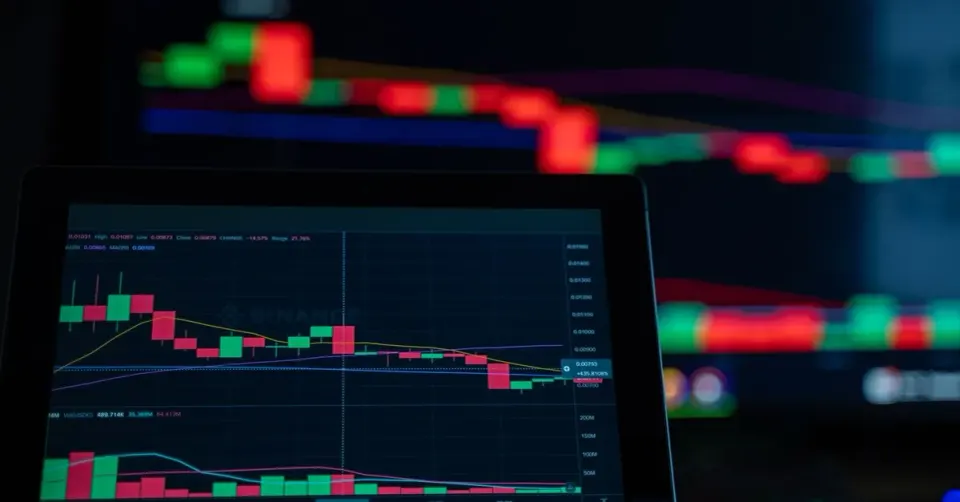
Despite these mounting pressures, the domestic Iranian markets showed a surprising degree of resilience this morning. The USD sell rate moved slightly from 267,500 to 267,300 Toman, a marginal decrease of -0.1%. Meanwhile, the gold market saw a more pronounced cooling, with Emami coins dropping from 267,000,000 to 264,000,000 Toman (-1.1%). This suggests that while the military situation is dire, traders may be cautiously optimistic about the Qatari diplomatic efforts or are simply exhausted by the constant cycle of escalation.
Global Context and Silver Linings
While the Middle East remains a flashpoint, the global economy continues to grapple with high interest rates. In the UK, Nationwide launched a market-leading savings account offering 5.3% interest, a move designed to attract savers as the Bank of England maintains a hawkish stance to combat inflation. This highlights a global trend of rising borrowing costs that eventually trickles down to emerging markets, making capital even scarcer for sanctioned economies like Iran's.
In a rare moment of non-political achievement, Iranian athletes Haniyeh Rostamiyan and Vahid Golkhandan secured a silver medal in the 10-meter air pistol mixed team event at the ISSF World Championship in Doha. While sports often provide a temporary distraction from geopolitical woes, the location of the championship in Qatar underscores the small Gulf nation's growing role as both a diplomatic and cultural hub where Iranian and international interests frequently intersect.
Frequently Asked Questions
What is the Qatari proposal for the Strait of Hormuz?
How does the MEXC Global sanction affect Iranian users?
Why did gold prices drop despite the drone incident?
The Strategic Importance of the Strait of Hormuz
The Strait of Hormuz is a narrow waterway that links the Persian Gulf with the open ocean, measuring only about 21 nautical miles (39 km) at its narrowest point. Despite its modest width, it handles roughly 20% of the world’s petroleum consumption, making it one of the most vital chokepoints for global energy security. Every day, tankers carrying crude oil from Saudi Arabia, Kuwait, the United Arab Emirates and Iraq pass through its waters, and any disruption can ripple through oil markets, raising prices and destabilising economies far beyond the Middle East.
Because the strait lies between Iran and the United Arab Emirates, it has long been a flashpoint for geopolitical rivalry. Iran has repeatedly threatened to close the passage in response to sanctions or perceived aggression, while the United States and its allies conduct regular naval patrols to ensure freedom of navigation. The downing of an MQ‑9 Reaper drone by Iranian forces in early 2024 highlighted how quickly a seemingly routine surveillance mission can become a catalyst for broader tension, especially when coupled with diplomatic moves such as Qatar’s proposal to link nuclear inspections with trade concessions.
The economic stakes extend beyond oil. The strait’s security influences regional currencies, gold demand, and even the price of the Iranian rial against the US dollar. When the waterway is perceived as unsafe, oil‑importing nations may turn to alternative routes or increase their reliance on strategic reserves, which in turn can boost the price of safe‑haven assets like gold. For Iran, the ability to threaten the strait provides a bargaining chip in negotiations over sanctions relief and nuclear inspection protocols.
Understanding the Strait of Hormuz’s role helps explain why seemingly isolated incidents—such as a downed drone or a diplomatic proposal from Qatar—can have outsized effects on global markets and diplomatic calculations. It is a classic example of how geography can shape economics and international politics, turning a narrow channel into a lever of worldwide influence.