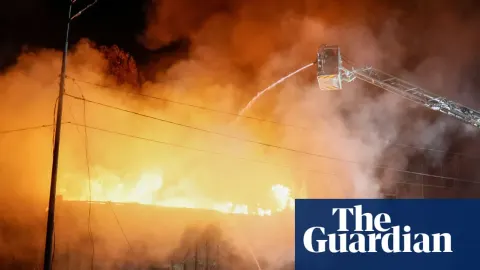
Hamas Demands Global Intervention as Regional Tensions Cool Tehran’s Markets
فشار حماس برای مداخله بینالمللی؛ آرامش نسبی در بازار تهران با افت قیمت دلار و سکه
Hamas has called on the Arab League and international mediators to force Israel’s compliance with Gaza aid commitments, while Tehran’s markets see a slight cooling as the USD and Emami coin prices retreat from recent highs.
At time of publishing
USD
266,600
Toman
Gold 18K
25.75M
Toman / gram
Bitcoin
$75,870
US Dollar
Tether
267,997
Toman
Hamas Appeals to Arab League Amid Humanitarian Gridlock
The Palestinian Islamic Resistance Movement (Hamas) has issued an urgent call to international mediators and the Arab League, demanding immediate intervention to compel Israel to honor its humanitarian commitments in Gaza. This move comes as the movement highlights the catastrophic conditions within the territory, specifically pointing to the lack of aid flow and the failure of previous agreements to alleviate the suffering of the civilian population. By reaching out to the Arab League, Hamas is attempting to pivot the narrative from a purely military struggle to a broader regional diplomatic issue, placing the burden of enforcement on neighboring states and international bodies that have historically facilitated ceasefire talks.
For the regional observer, this diplomatic push signals a potential shift in strategy. As military operations continue to strain the resources of all parties involved, the emphasis on 'commitments' suggests that the framework for a potential de-escalation already exists but lacks the political will for implementation. For Iranian markets, which often react violently to news of regional escalation, this focus on humanitarian diplomacy rather than new fronts of conflict has provided a brief window of stability. The market interprets these calls for mediation as a sign that the conflict may be entering a phase of containment, reducing the immediate 'war premium' on assets like gold and hard currency.
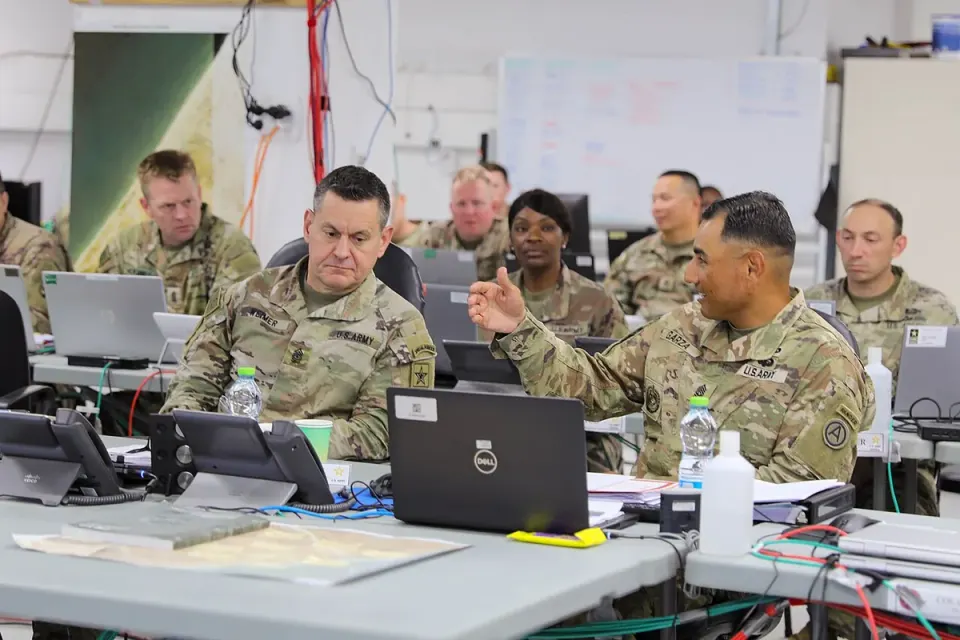
Global Political Fragmentation: New Zealand and the UK in Flux
On the international stage, political uncertainty is the dominant theme this Saturday. In New Zealand, the national election has resulted in a stalemate that could leave the country without a settled government for weeks. While the center-right National Party, led by Christopher Luxon, appears to be the largest entity in parliament, the results are far too close to call a definitive victory. This leaves the nation in a precarious position, forced to wait for special votes to be counted and for complex coalition negotiations to begin between the National Party, the libertarian Act, and the populist New Zealand First. Such political vacuums often lead to volatility in local markets and a cautious approach from foreign investors who dislike policy ambiguity.
Simultaneously, in the United Kingdom, a significant legal ruling has challenged the Home Office's stance on asylum seekers and human trafficking. The Court of Appeal rejected the government's claim that being kidnapped for ransom does not constitute exploitation under trafficking rules. This ruling, involving a Syrian man abducted in Libya, means the Home Office must now consider a much wider range of victims for support and recovery packages. This decision adds another layer of complexity to the UK's already strained immigration and legal systems, highlighting a growing friction between judicial oversight and executive policy in Western democracies. For the Iranian diaspora and those tracking global migration, these legal shifts are critical indicators of how Western nations are tightening or loosening their borders under legal pressure.

Tehran Markets Cool as Military Coordination Peaks
Domestically, the Iranian market has seen a notable retreat in prices during the 18:00 Tehran session on Saturday, November 7, 2026 (16 Aban 1405). The US Dollar (USD) moved from 267,500 to 266,600 Toman, marking a 0.3% decrease over the last 24 hours. More significantly, the Emami gold coin saw a sharp decline of 2.6%, falling from 267,000,000 to 260,000,000 Toman. This cooling effect is partly attributed to a lack of new escalatory signals and a general exhaustion of the recent bullish trend. Traders are increasingly looking toward diplomatic signals from Abu Dhabi and other regional hubs as a reason to take profits on their speculative positions.
Amidst this market cooling, the commander of Iran’s Northern Fleet and the Fourth Naval Zone, based in Astara, claimed that the country’s Armed Forces are operating at their highest level of coordination. While such statements from the military establishment are common, the timing suggests a desire to project stability and readiness to the domestic audience. However, the market’s reaction—or lack thereof—to these claims indicates that investors are more focused on actual geopolitical outcomes than on official rhetoric. The slight drop in gold and currency prices suggests that for now, the fear of immediate large-scale conflict has plateaued, allowing the Toman to regain a sliver of its lost ground.
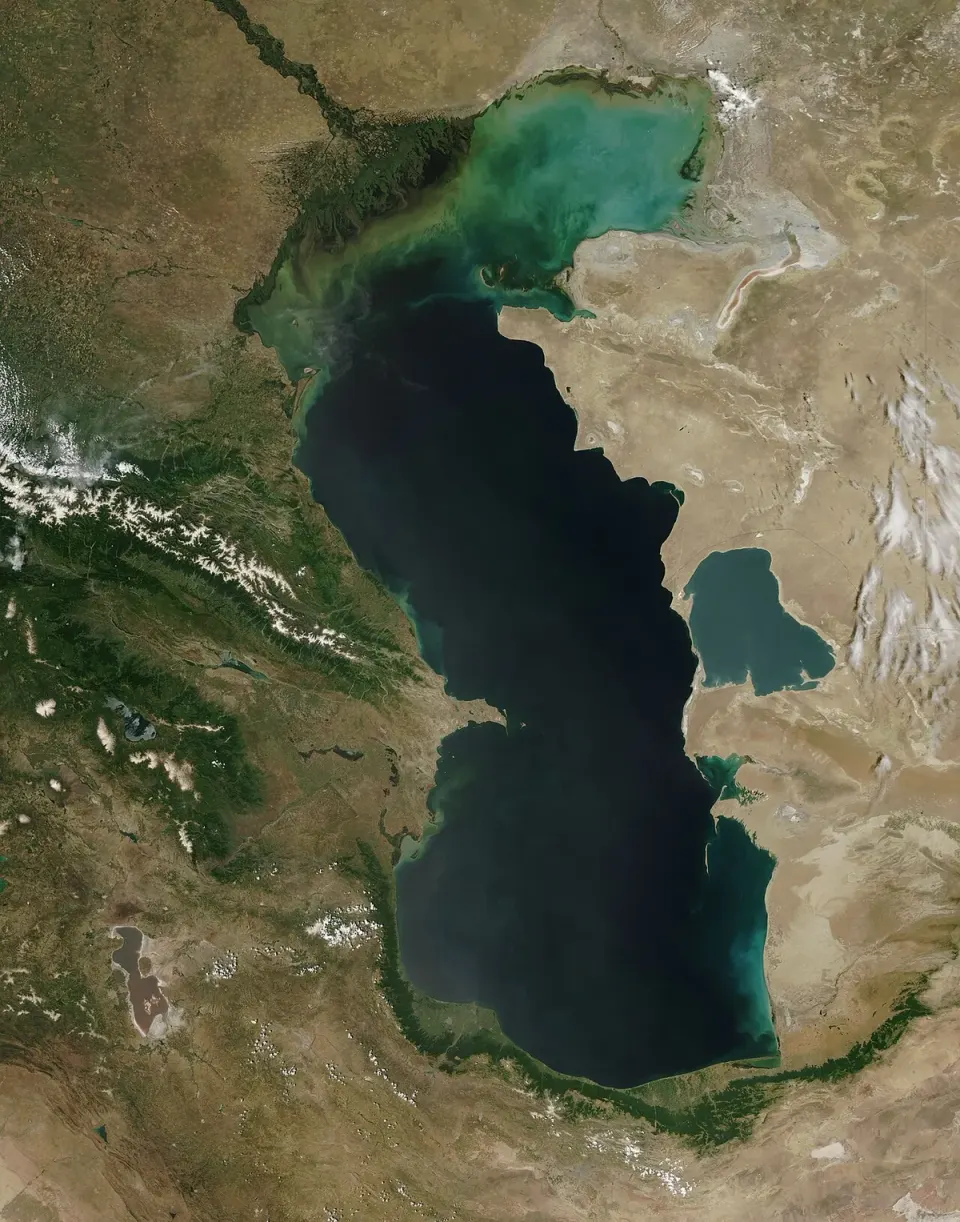
The Vineyard Dream: Ex-FBI Agent’s Crypto Heist
In the world of digital assets, a sensational case has emerged involving a former FBI counterintelligence agent. Yaroch, the agent in question, was caught after stealing nearly $2.5 million in cryptocurrency. According to reports, his plan was to use the stolen funds to pay off personal debts and start a new life in Portugal, where he intended to purchase a vineyard. The irony of a counterintelligence expert being caught using the very technology often touted for its anonymity has not been lost on the crypto community. This case highlights the increasing sophistication of blockchain forensics, which allowed investigators to trace the stolen assets despite the suspect’s professional background in security.
This story serves as a cautionary tale for investors and regulators alike. It underscores the fact that the greatest threats to financial security often come from within established institutions. For Iranian crypto users, who often rely on Tether (USDT) and Bitcoin to hedge against local inflation, such stories are a reminder of the inherent risks in the ecosystem. While Bitcoin (BTC) remains stable at $75,870, the news of high-level theft can dampen institutional sentiment and lead to increased calls for tighter regulation. The failure of Yaroch’s 'vineyard dream' is a testament to the transparency of the ledger, proving that even those who know the system's secrets cannot easily hide from its digital footprint.
Frequently Asked Questions
چرا قیمت سکه امامی بیش از دلار کاهش یافت؟
تاثیر انتخابات نیوزیلند بر بازارهای جهانی چیست؟
چگونه افبیآی موفق به ردیابی ارزهای دیجیتال مسروقه شد؟
Geopolitical Risk: How Global Tensions Shape Financial Markets
Geopolitical risk refers to the potential for political instability, conflicts, or shifts in international relations to disrupt global or regional economies and financial markets. It encompasses a broad spectrum of events, from wars and civil unrest to sanctions and diplomatic disputes. The headline, linking "Hamas Demands" and "regional tensions" to "Tehran’s Markets," perfectly illustrates how such non-economic factors can directly influence a nation's financial landscape. Investors and businesses constantly monitor these risks, as they can significantly alter market sentiment and investment decisions.
One of the most immediate impacts of geopolitical risk is on a country's currency. Increased uncertainty or perceived instability often leads to a flight of capital, as investors move their money to assets considered safer, typically denominated in more stable currencies like the US Dollar. This increased demand for foreign currency, coupled with a decreased demand for the local currency, can cause the latter to depreciate rapidly. For instance, reports of "USD/IRR price" fluctuations in Tehran are a direct reflection of how geopolitical developments can put pressure on the Iranian Rial, making imports more expensive and eroding purchasing power.
Local assets, particularly those traditionally viewed as safe havens like gold, also react sharply to geopolitical shifts. In many economies facing high uncertainty and currency depreciation, physical gold (or gold coins, such as the Emami coin in Iran) becomes a crucial store of value. People buy gold to protect their wealth against inflation and currency devaluation. A "drop" in the Emami coin price amidst "cooling regional tensions" suggests that as the immediate perception of risk lessens, the urgent need for such hedges might temporarily subside, leading to a reduction in their premium or a reallocation of capital.
Beyond currency and specific assets, geopolitical risk can have widespread economic ramifications. It can deter foreign direct investment, disrupt supply chains, increase the cost of doing business, and dampen overall economic growth. For Tehran's markets, the interplay between regional political dynamics and market performance underscores the interconnectedness of global affairs. Understanding these linkages is crucial for anyone seeking to comprehend the complexities of international finance and the resilience (or vulnerability) of national economies.