Kyiv’s Tactical Shift and Tehran’s Regional Gambit: A High-Stakes Saturday for Global Markets
تغییر موازنه در اوکراین و دیپلماسی فشرده تهران؛ شنبه سرنوشتساز در بازارهای جهانی
Ukraine reveals the secrets behind its recent counter-offensive successes while Tehran launches a diplomatic marathon to secure the region without foreign intervention. Amidst these geopolitical shifts, Iranian markets see a notable cooling in gold and coin prices.
At time of publishing
USD
267,000
Toman
Gold 18K
25.76M
Toman / gram
Bitcoin
$75,906
US Dollar
Tether
267,607
Toman
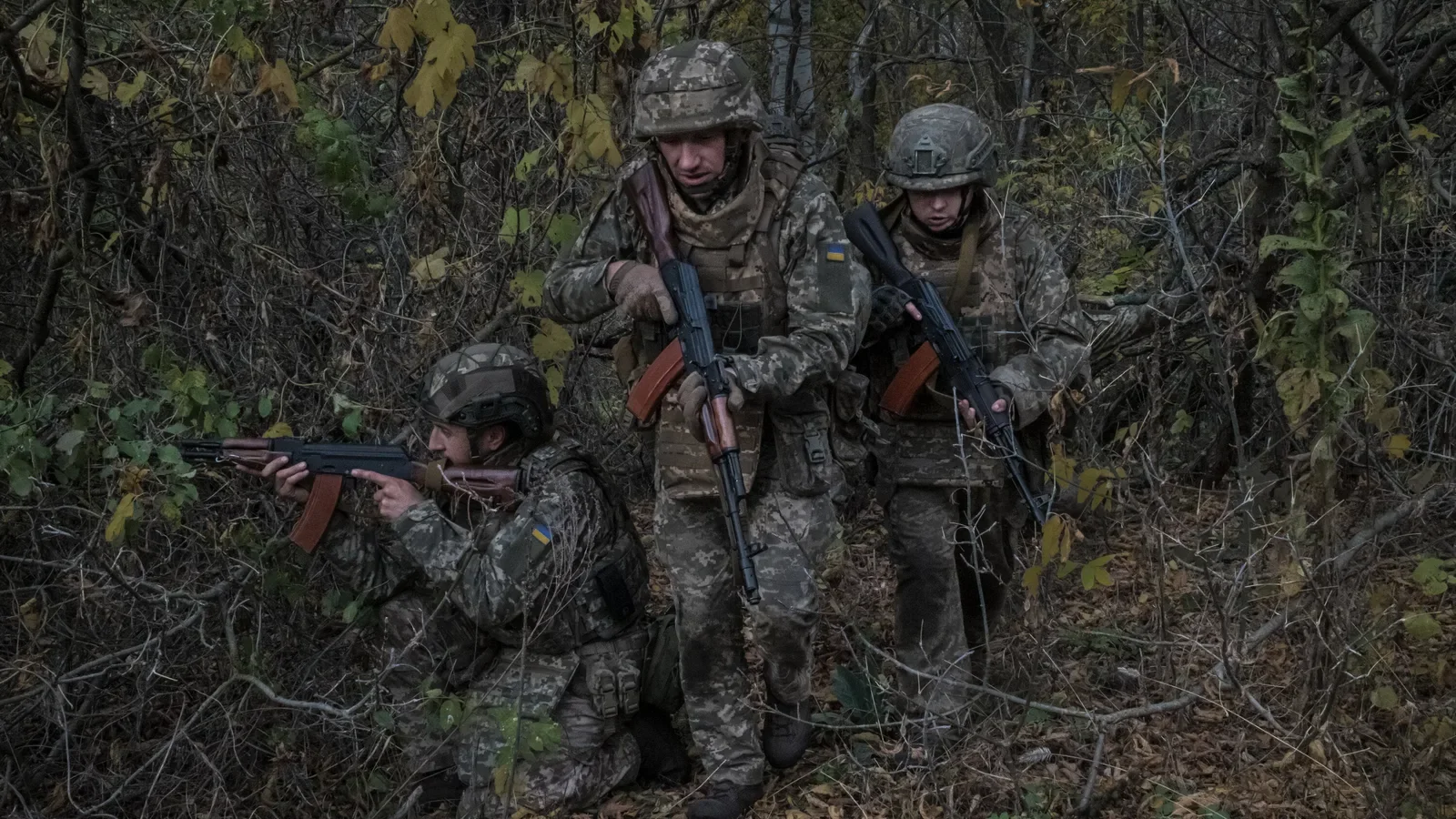
Ukraine’s Tactical Evolution: Reversing the Russian Advance
After months of strict operational silence, new reports have emerged detailing the sophisticated maneuvers that allowed Ukrainian forces to reclaim key territories from Russian occupation. According to insights shared with journalists in frontline bunkers, the success of these operations relied heavily on a blend of Western intelligence, localized drone supremacy, and a decentralized command structure. By allowing small, agile units to make real-time decisions on the battlefield, Kyiv has managed to exploit gaps in the more rigid Russian defensive lines, a strategy that is now being analyzed by military experts worldwide as a potential turning point in the protracted conflict.
For the global community, and specifically for observers in the Middle East, this shift in momentum is significant. It signals a sustained capability of Ukrainian forces to utilize advanced technology against conventional military might. This development directly impacts the geopolitical calculus of nations involved in the supply chain of military hardware, including drone technology and long-range ballistics. As the conflict enters a more fluid phase, the pressure on global energy markets and the stability of Eastern European trade routes remains a primary concern for investors who are closely monitoring the resilience of the Russian economy under continued sanctions.
Tehran’s Diplomatic Marathon and the 'New Surprises' Doctrine
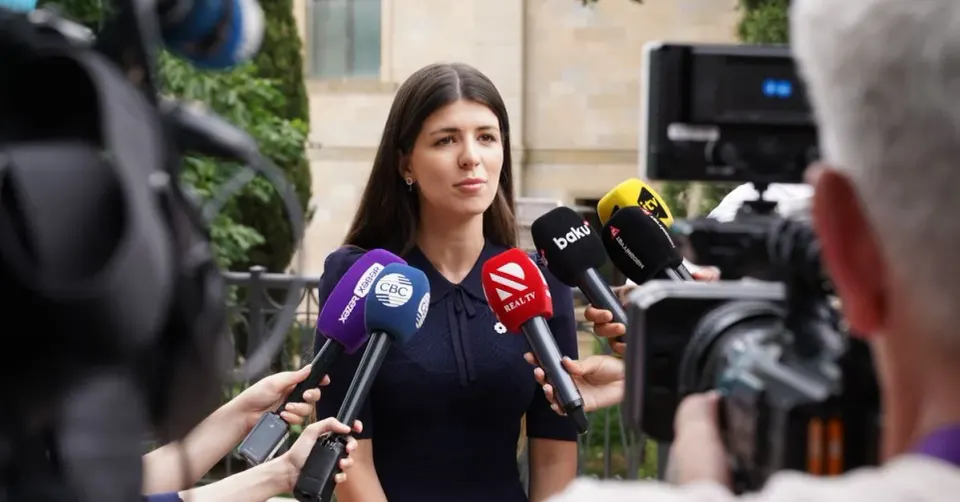
In a flurry of diplomatic activity over the last 48 hours, Iranian Foreign Minister Abbas Araghchi has conducted telephone consultations with 12 regional counterparts. The core of these discussions is the proposal for a regional security framework that excludes extra-regional powers—a clear signal to the United States and its allies. Araghchi’s push for a localized security architecture comes at a time of heightened tension, suggesting that Tehran is seeking to consolidate a regional consensus to prevent further escalation or foreign military intervention. This diplomatic offensive is aimed at stabilizing Iran's immediate periphery while asserting its role as a central pillar of Middle Eastern security.
However, this diplomatic 'carrot' is accompanied by a military 'stick.' Brigadier General Hossein Mohebbi of the IRGC has recently stated that any resumption of attacks on Iranian soil will be met with "new surprises" on the battlefield. The General claimed that Iran possesses undisclosed weaponry that would astonish global military observers if deployed. This dual-track approach—combining intense diplomacy with explicit military threats—creates a complex environment for market participants. The Iranian Toman has shown slight movement, with the USD sell rate moving from 267,500 to 267,000 (-0.2%), reflecting a market that is cautiously weighing the possibility of a diplomatic breakthrough against the risk of renewed kinetic conflict.
The AI Power Reality Check: Infrastructure vs. Green Ambitions
A significant story in the tech sector has emerged from the United Kingdom, where a massive AI data center project in Lanarkshire has been forced to admit it will rely entirely on the National Grid, despite previous claims of being powered by 100% renewable energy. DataVita, the company behind the development, had promised that the 1GW facility—roughly the output of a small nuclear reactor—would be green. This admission highlights a growing crisis in the global AI boom: the sheer energy demand of large language models and high-performance computing is outstripping the current capacity of renewable energy infrastructure.
This gap between corporate sustainability goals and the physical realities of the power grid is a warning sign for the tech industry's valuation. As AI companies like OpenAI reportedly raise additional billions at staggering valuations (reaching $1.25 trillion), the underlying infrastructure costs and environmental impacts are becoming harder to ignore. For investors, this suggests that the next phase of the AI trade will not just be about software and chips, but about the massive capital expenditure required for power generation and grid upgrades. This structural bottleneck could eventually lead to higher operational costs for tech giants, potentially impacting their long-term profitability and market dominance.

Market Analysis: Gold Recedes as Regional Tensions Simmer
In the Iranian domestic market, today, Saturday, November 7, 2026 (16 Aban 1405), we are witnessing a notable cooling in precious metals. The Emami coin has seen a significant drop, moving from 267,000,000 to 261,000,000 Toman, marking a 2.2% decrease in just 24 hours. This decline is mirrored in the 18k gold market, which fell from 25,889,930 to 25,758,345 Toman per gram (-0.5%). These movements suggest that some of the 'war premium' that had been priced into gold is beginning to dissipate as the market reacts to the intense diplomatic efforts led by the Foreign Ministry, despite the continued rhetoric from military officials.
Globally, Bitcoin continues to trade in a volatile range, currently sitting at $75,906. The cryptocurrency market is grappling with regulatory uncertainty following the US midterms and the impact of institutional capital flows. Meanwhile, the global gold ounce price remains elevated at $4,072.10, indicating that while local Iranian demand for coins has softened, the global appetite for safe-haven assets remains strong amid the ongoing shifts in the Ukraine-Russia conflict and the broader energy transition challenges. For the Iranian trader, the current stability in the USD/IRR rate near the 267,000 mark provides a brief window of relative predictability in an otherwise turbulent geopolitical landscape.
Frequently Asked Questions
چرا قیمت سکه امامی امروز ۲.۲ درصد کاهش یافت؟
منظور از «سورپرایزهای جدید» ارتش ایران چیست؟
چرا بحران انرژی دیتاسنترها برای سرمایهگذاران هوش مصنوعی مهم است؟
Geopolitical Risk and its Impact on Global Markets
Geopolitical risk refers to the potential for political events, conflicts, diplomatic tensions, and policy shifts between nations to create uncertainty and instability, thereby influencing global economic and financial landscapes. These risks are not merely theoretical; they translate directly into tangible market reactions. When major geopolitical events unfold—such as the "Ukraine Counter-offensive" or "IRGC Military Surprises" in a volatile region—investors often react by re-evaluating asset values, shifting capital, and seeking safer havens, leading to increased market volatility.
This uncertainty manifests in various ways across different markets. Commodity prices, particularly oil and natural gas, are highly sensitive to geopolitical tensions, as conflicts can disrupt supply chains or threaten production in key regions. Similarly, the price of "Gold" often rises during periods of geopolitical instability, as it is traditionally seen as a "safe-haven asset" – a store of value that tends to retain or increase its value during economic downturns or crises. Currency exchange rates can also fluctuate wildly, reflecting investor confidence in a nation's stability or its economic prospects amidst global turmoil.
Local markets, like those indicated by "Emami Coin Price" and "Gold Price Tehran," are not immune to these global pressures; in fact, they often experience amplified effects. Sanctions, regional conflicts, and domestic economic policies can combine with global geopolitical currents to create unique local market dynamics. For instance, a surge in local gold prices might reflect both global safe-haven demand and domestic concerns about inflation or currency depreciation. The interconnectedness of modern finance means that a "tactical shift" in one part of the world or a "regional gambit" in another can send ripples through stock exchanges, bond markets, and commodity trading floors worldwide, impacting everyone from institutional investors to individual savers.
Adding another layer of complexity, emerging systemic challenges like the "AI Energy Crisis" and escalating "Data Center Power Demand" introduce new dimensions to geopolitical risk. As global energy demand intensifies due to technological advancements, the competition for resources and the stability of energy supply chains become even more critical. Geopolitical events that might previously have caused moderate market shifts can now be amplified by these underlying structural energy demands, making markets even more susceptible to sudden and significant price swings and volatility. Understanding these intricate connections is crucial for navigating the high-stakes environment of global finance.