Justice Reform and Geopolitical Friction: Trump’s Shadow Looms Over Iran and Global Trade
سایه سنگین ترامپ بر پرونده هستهای و بحران عدالت؛ تلاطم در روابط جهانی و بازار طلا
As global markets digest the fallout from the US midterms, new legal challenges in the UK and fresh US sanctions on Canadian firms highlight a world in transition. Meanwhile, mixed signals regarding Iran's nuclear sites keep regional tensions high despite political shifts in Washington.
At time of publishing
USD
267,000
Toman
Gold 18K
25.73M
Toman / gram
Bitcoin
$75,905
US Dollar
Tether
267,851
Toman
The Crisis of Confidence in Justice Systems
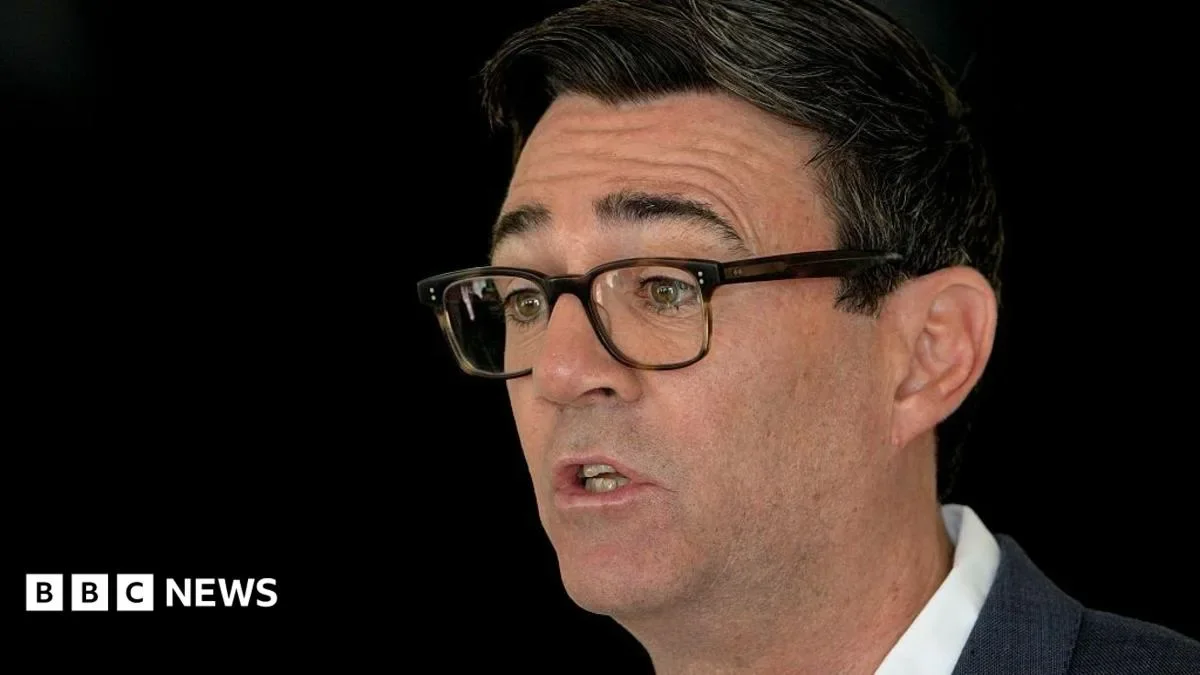
The global conversation surrounding justice and accountability has taken a sharp turn this Saturday, November 7, 2026, following pointed remarks by Greater Manchester Mayor Andy Burnham. Responding to the fallout of high-profile legal proceedings, Burnham emphasized that victims in rape cases must not be made to feel as though they are the ones on trial. This intervention follows a police chief’s warning that recent public discourse and legal tactics in the Russell Brand trial have veered dangerously close to "victim blaming." The ripple effects of this story are significant, as they touch upon the structural integrity of Western legal systems which are currently under intense scrutiny for their treatment of vulnerable witnesses.
For the broader public, this isn't just a celebrity trial; it is a stress test for institutional trust. When victims feel that the process of seeking justice is as traumatizing as the crime itself, the entire social contract begins to fray. This shift in rhetoric from high-ranking officials like Burnham suggests a coming wave of legislative or procedural reforms aimed at protecting the dignity of complainants. As these social standards evolve in the West, they often set the tone for international human rights benchmarks, influencing how legal reforms are discussed globally, including in developing judicial frameworks across the Middle East.

Geopolitical Realignment: The Post-Trump Friction
Despite the significant Democratic gains in the recent US midterms, the anticipated "thaw" in international relations, particularly with Canada, remains elusive. Analysts suggest that while voters may have rebuked the more extreme isolationist policies of the Trump era, the underlying protectionist sentiment within the Democratic party remains a formidable barrier to trade harmony. The "Buy American" philosophy has deep roots that transcend party lines, meaning that Canadian exporters and global trade partners should not expect a swift return to the pre-2016 status quo. This persistent friction suggests that global supply chains will continue to face localized pressures and tariffs, keeping inflation sticky in several sectors.
Furthermore, the Democratic victory—the largest House majority in nearly four decades—comes with a heavy burden of expectation. Voters driven by the "Watergate-level" upheaval were primarily concerned with the cost of living, yet economists warn that the new administration has limited tools to immediately slash prices at the pump or the grocery store. This gap between political promises and economic reality could lead to a secondary wave of market volatility as investors realize that the structural causes of inflation, such as energy transitions and labor shortages, are not easily solved by a change in congressional leadership.

Iran Under Pressure: Sanctions and Nuclear Uncertainty
In a direct hit to the regional financial network, the US Treasury has sanctioned several Canadian money-exchange firms for their alleged ties to Iranian financial interests. This move, coupled with a $20 million reward offer for information regarding Iran’s nuclear program, signals that the "maximum pressure" architecture is being maintained even as the political guard changes in Washington. For the Iranian market, this is a reminder that the window for sanctions relief remains tightly shut. The targeting of third-country entities (like those in Canada) demonstrates the sophisticated reach of US financial intelligence and its intent to choke off any remaining liquidity channels for the Iranian government.
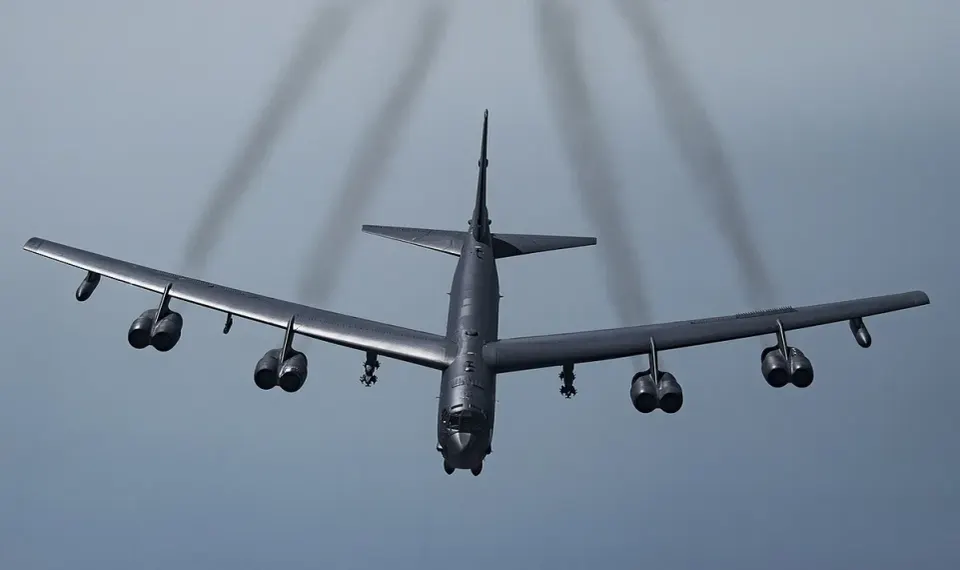
Simultaneously, the geopolitical atmosphere is thick with what experts call "cognitive warfare." Despite his party's midterm losses, Donald Trump continues to send mixed messages regarding potential strikes on Iranian nuclear sites. This ambiguity serves a dual purpose: it keeps Tehran’s strategic planners off-balance while maintaining a hawkish stance for a domestic audience. For the average Iranian citizen, this translates into continued currency instability. As of this hour on Saturday, November 7, 2026, the USD sell rate stands at 267,000 Toman, reflecting a cautious -0.2% dip as the market waits for a clearer signal from the international community.
Market Snapshot: Gold and Crypto Resilience
The domestic gold market in Iran has seen a notable correction today. The Emami coin dropped from 267,000,000 to 260,500,000 Toman, a significant -2.4% decrease in just 24 hours. This move likely reflects a cooling of the speculative fever that drove prices to record highs earlier in the week. Meanwhile, 18k gold followed suit with a -0.6% decline, settling at 25,728,334 Toman per gram. These shifts suggest that while geopolitical tensions remain, some of the immediate "war premium" is being priced out as the market adjusts to the current stalemate between Tehran and Washington.
In the digital asset space, Bitcoin (BTC) remains steady at $75,905, showing resilience despite the broader geopolitical noise. The crypto market is currently focused on the fallout from the US midterms, with Big Tech firms now pivoting to build bridges with the new Democratic majority. The intersection of AI, energy demand, and crypto mining continues to be a primary driver for institutional interest. For Iranian investors, the USDT rate of 267,851 Toman remains the primary gateway for capital flight and wealth preservation, mirroring the stability of the greenback in the local free market.
Frequently Asked Questions
چرا قیمت سکه امامی امروز ۲.۴ درصد کاهش یافت؟
تاثیر تحریم صرافیهای کانادایی بر بازار ارز ایران چیست؟
آیا پیروزی دموکراتها در آمریکا باعث کاهش قیمتها میشود؟
Understanding Economic Sanctions: A Tool of Geopolitical Pressure
Economic sanctions are punitive measures imposed by one or more countries (or international bodies) against another state, individual, or entity to achieve a specific foreign policy objective without resorting to military force. These measures are designed to alter the behavior of the target by inflicting economic costs, such as limiting access to international markets, finance, and critical goods. Sanctions can range from comprehensive trade embargoes to more targeted restrictions on specific sectors, individuals, or financial transactions, aiming to pressure a regime, deter undesirable actions like nuclear proliferation, or combat terrorism.
Common types of economic sanctions include trade restrictions (prohibiting imports or exports of certain goods), financial sanctions (freezing assets, banning banking transactions, or restricting access to international financial systems), travel bans on specific individuals, and restrictions on technology transfer. For instance, the "Iran nuclear sanctions" mentioned in the keywords are a prime example of such measures, aiming to curtail Iran's nuclear program by severely limiting its ability to engage in global trade and access foreign currency. The goal is to make it economically unfeasible for the target to continue its current policies.
However, economic sanctions often come with a complex array of intended and unintended consequences. While they aim to exert pressure on a government, they can also significantly impact the general population, leading to currency depreciation (like the USD/IRR price fluctuations), inflation (affecting local assets such as the Emami coin or gold price in Tehran), and shortages of essential goods. This can foster the growth of informal markets and illicit trade routes as countries seek ways to circumvent restrictions. The effectiveness of sanctions is a subject of ongoing debate among policymakers and economists, as their success depends on various factors, including the target's resilience, the scope of the sanctions, and the unity of the imposing coalition.
Ultimately, understanding economic sanctions is crucial for grasping the dynamics of global geopolitics and their tangible effects on national economies and daily lives. They represent a powerful, albeit often controversial, instrument in international relations, shaping trade flows, financial markets, and the political landscape of targeted nations.