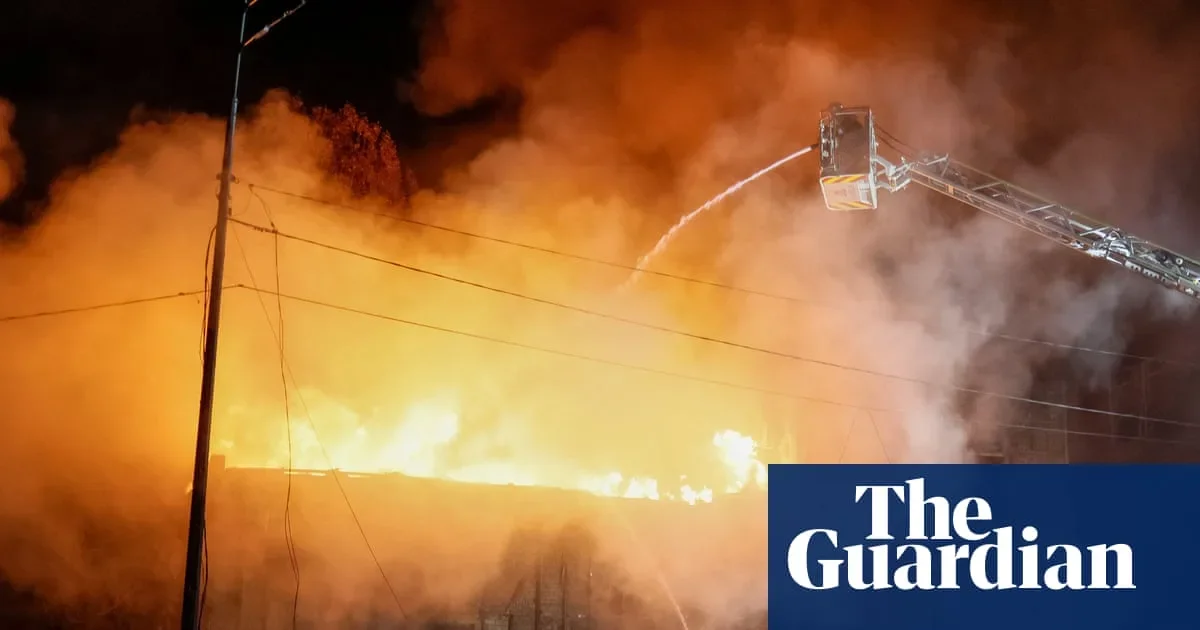
Kyiv Plunges into Darkness: Russian Strikes Cripple Energy Grid Ahead of Abu Dhabi Peace Talks
خاموشی در پایتخت اوکراین: حملات سنگین روسیه به زیرساختهای انرژی در آستانه مذاکرات صلح
Moscow launched a massive drone and missile barrage hitting Kyiv's power grid just days before scheduled peace negotiations. Meanwhile, the AI market faces a reality check as Anthropic's IPO looms during a brutal tech selloff.
At time of publishing
USD
266,800
Toman
Gold 18K
25.77M
Toman / gram
Bitcoin
$75,843
US Dollar
Tether
267,814
Toman
Russia’s Energy Blitz: A Pre-Negotiation Power Play
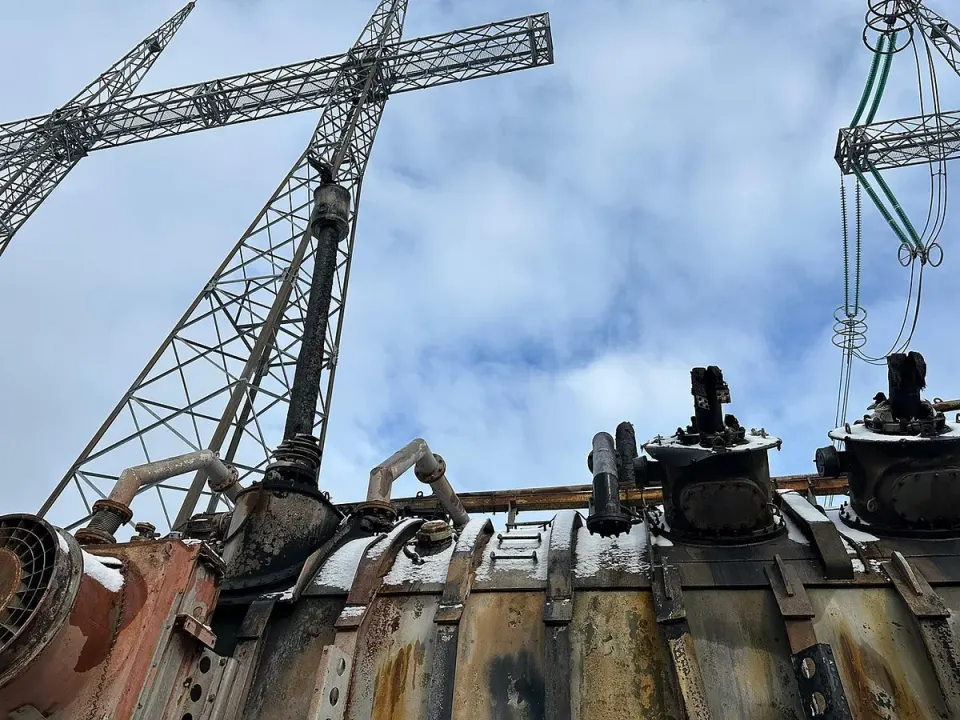
In a devastating escalation of aerial warfare, Moscow has launched one of its most expansive attacks on Ukraine’s civilian infrastructure to date. Ukrainian President Volodymyr Zelenskyy confirmed that Russian forces utilized a staggering 172 drones and 36 ballistic missiles in a coordinated strike targeting electricity substations and a critical bridge over the Dnipro River. The primary objective appears to be the total destabilization of the capital’s energy security, leaving millions in Kyiv facing immediate blackouts and water shortages. This maneuver is widely seen as a brutal attempt to secure maximum leverage before the two nations head to trilateral peace talks scheduled for next week in Abu Dhabi.
The timing of the strike is particularly calculated. By plunging the country into darkness just as diplomats prepare to meet, Moscow is signaling that it retains the capacity to inflict systemic pain regardless of the diplomatic track. For global markets, this escalation introduces a fresh layer of geopolitical risk, particularly in the energy sector. While Ukraine has shown remarkable resilience in repairing its grid, the destruction of high-voltage substations and strategic bridges suggests a shift toward permanent infrastructure denial rather than temporary disruption. This has immediate implications for European energy security and regional stability, keeping risk premiums high across commodity markets.
The AI Reality Check: Anthropic’s IPO Meets a Tech Selloff
The exuberant "AI trade" that has fueled global equity markets for the past year is facing its most significant stress test yet. Anthropic, the high-profile AI startup backed by Amazon and Google, is moving toward an initial public offering (IPO) at what analysts are calling the worst possible moment. As the broader tech sector undergoes a sharp selloff, investors are questioning whether the massive valuations assigned to AI firms can be sustained in a high-interest-rate environment. The dilemma for Anthropic is stark: proceed with a listing at a potentially deep discount or delay the IPO and risk running low on the massive capital required to train next-generation large language models.
What this means for the broader market is a shift from blind optimism to rigorous scrutiny of revenue models. For months, the promise of artificial intelligence was enough to drive indices to record highs, but the current market cooling suggests that the "show me the money" phase has arrived. If Anthropic’s IPO falters or is priced significantly lower than its previous private funding rounds, it could trigger a wider revaluation of the entire AI ecosystem. This uncertainty is already spilling over into the crypto markets, where AI-related tokens are seeing increased volatility as traders hedge against a potential bursting of the tech bubble.
Iran Market Update: Toman and Gold Retreat as Global Tensions Simmer
On the domestic front in Tehran, the markets are showing a rare moment of cooling despite the intensifying regional and global friction. On this Saturday, November 7, 2026 (16 Aban 1405), the US Dollar (USD/IRR) saw a slight decline, moving from 267,500 to 266,800 Toman, marking a -0.3% decrease. This marginal shift in the currency suggests a temporary stabilization as traders digest the latest news from the Strait of Hormuz and the ongoing diplomatic efforts in the region. However, the more dramatic move was seen in the gold market, where the Emami coin dropped from 267,000,000 to 260,500,000 Toman, a significant -2.4% decline in just 24 hours.
This sharp correction in gold prices, despite the international gold ounce standing at a historically high $4,072.10, indicates a reduction in the local "bubble" or premium that had built up during recent weeks of panic buying. Gold 18k per gram also saw a slight dip of -0.5%, moving to 25,769,887 Toman. While the local market is currently correcting, the underlying geopolitical triggers—including the strikes on Qeshm Island and the continued presence of US naval assets in the Persian Gulf—remain active. For the average investor, this suggests that while the immediate price pressure has eased, the volatility floor remains high, and any further escalation in the Ukraine or Hormuz theaters could quickly reverse today's downward trend.

Global Unrest: From French Streets to New Zealand’s Cliffhanger
Beyond the major conflict zones, social and political instability is flaring across the globe. In France, the "Yellow Vests" movement has called for a day of "mass disobedience," tapping into widespread anger over the rising cost of living and perceived government indifference. Protests in Paris and other major cities are testing the endurance of the French security apparatus, as unions and student groups join the fray. This domestic pressure on one of Europe’s leading economies complicates the EU’s ability to maintain a unified front on foreign policy, especially as economic grievances begin to outweigh geopolitical priorities for many voters.
Meanwhile, on the other side of the world, New Zealand is grappling with one of its closest elections in modern history. Preliminary results show a dead heat between the National and Labour parties, with minor parties now positioned as kingmakers. This political fragmentation reflects a broader global trend where traditional power blocs are losing ground to fringe movements driven by economic anxiety. As New Zealand waits for a coalition to form, the uncertainty is weighing on the Kiwi dollar and regional trade sentiment. These disparate events—from protests in Paris to a constitutional stalemate in Wellington—all point to a world where internal social pressures are increasingly dictating the limits of external state power.
Watch
Russian strikes damage bridge, energy facilities in Kyiv region • FRANCE 24 English
FRANCE 24 English
Frequently Asked Questions
Why did Russia strike Kyiv's energy grid right before peace talks?
Is the decline in Tehran's gold price a sign of long-term stability?
What is the 'AI trade' reality check mentioned regarding Anthropic?
Understanding Critical Infrastructure in Modern Conflict
Modern societies rely on a complex web of essential systems and assets known as critical infrastructure. This encompasses everything from power grids, water treatment plants, and communication networks to transportation systems, healthcare facilities, and financial services. These interdependent components are the backbone of daily life, ensuring public safety, economic stability, and national security. When these systems function seamlessly, they are often taken for granted; however, their disruption can have cascading and devastating effects across an entire nation.
In times of conflict, critical infrastructure frequently becomes a strategic target. Adversaries may aim to cripple an enemy's ability to wage war, disrupt its economy, undermine civilian morale, or exert pressure on its government. The deliberate targeting of power grids, as seen in the attacks on Kyiv, serves to plunge cities into darkness, paralyze industries, and make daily life incredibly challenging. Such actions are not merely tactical strikes but are intended to inflict broader societal and psychological damage, testing the resilience of the affected population.
Beyond the immediate physical damage, the destruction of critical infrastructure carries severe humanitarian consequences. It can cut off access to heating, clean water, and medical services, particularly endangering vulnerable populations during harsh weather conditions. Rebuilding and securing these vital systems is an immense challenge, requiring significant resources and time, often while conflicts are still ongoing. International humanitarian law, such as the Geneva Conventions, generally prohibits attacks on objects indispensable to the survival of the civilian population, though interpretations and adherence can be contentious in practice.
The vulnerability of critical infrastructure highlights the urgent need for robust defense mechanisms, including physical protection, cybersecurity, and resilient design. Nations invest heavily in redundancy, rapid repair capabilities, and international cooperation to safeguard these essential assets. Understanding the concept of critical infrastructure is crucial for comprehending the profound impact of modern conflicts, which increasingly extend beyond traditional battlefields to target the very foundations of civilian life.