Krakow Shooting & Hormuz Mine Blasts: Geopolitical Volatility Rattles Global Markets
تراژدی کراکوف و انفجار مین در هرمز؛ تلاطم ژئوپلیتیک بازارهای جهانی را لرزاند
A mass shooting in Poland and naval mine explosions in the Strait of Hormuz have spiked global risk premiums, while a rare technical signal in the stock market warns of an imminent tech sector correction.
At time of publishing
USD
265,800
Toman
Gold 18K
25.40M
Toman / gram
Bitcoin
$75,898
US Dollar
Tether
266,460
Toman
Krakow Tragedy and the Shadow Over European Security
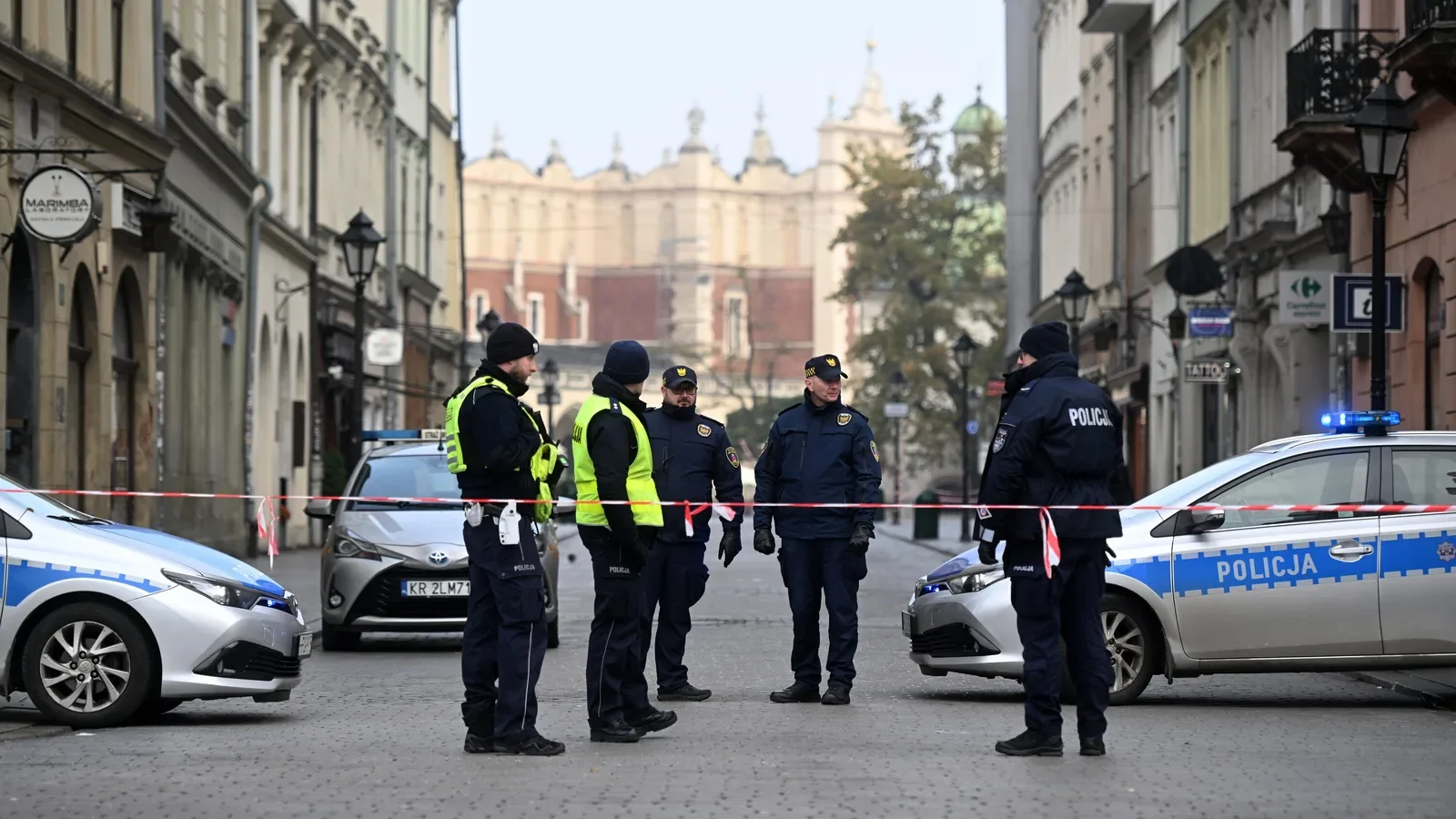
A sense of profound instability has gripped Central Europe following a mass shooting in Krakow, Poland, which has left at least nine people dead and 16 others injured. While the motive remains unclear, the scale of the violence in a major European cultural hub has sent shockwaves through the Schengen area. Polish authorities have confirmed that the incidents occurred in Krakow and a neighboring town, leading to an immediate lockdown of several public districts. For global investors, this event adds a layer of 'unquantifiable risk' to European markets, which were already struggling with the economic fallout of shifting political alliances across the continent.
This tragedy is not merely a domestic criminal matter; it represents a significant blow to the perceived safety of European travel and commerce. As police continue to investigate the suspect's background, the lack of an immediate motive has fueled speculation, leading to increased volatility in the Euro. Analysts suggest that if the investigation reveals any transnational links, the political pressure on the European Union to tighten border controls will reach a breaking point, potentially disrupting the seamless trade routes that the Eurozone relies upon for economic stability.

Escalation in the Strait of Hormuz: IRGC Reports Mine Blasts
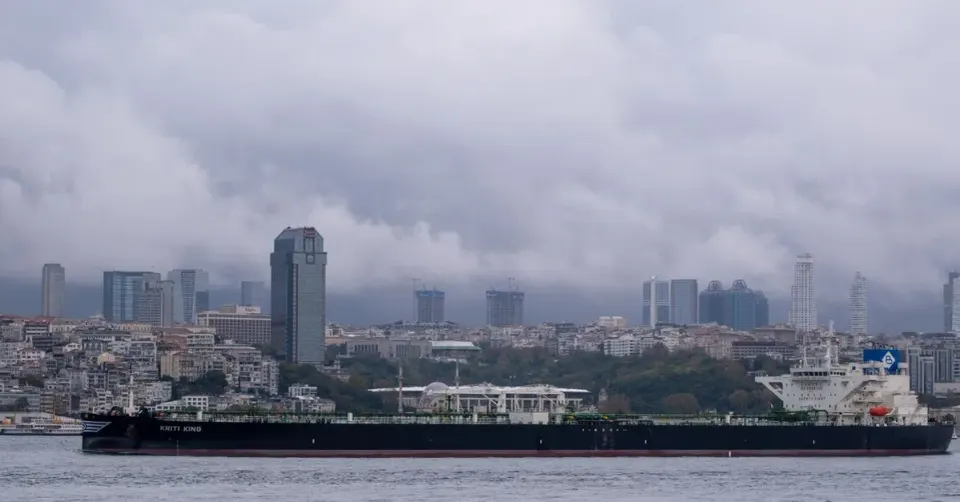
Turning to the Middle East, the Islamic Revolution Guards Corps (IRGC) Navy has reported that three oil tankers caught fire after striking naval mines in the Strait of Hormuz. According to official claims, these vessels were attempting to navigate through "unauthorized routes" to bypass standard maritime protocols. This development marks a sharp escalation in regional tensions, as the Strait remains the world's most critical chokepoint for oil transit. While the IRGC frames the incident as a consequence of the tankers' own navigational choices, the international community views the presence of mines in these waters as a direct threat to global energy security.
The timing of these explosions is particularly sensitive for the Iranian economy. While the USD/IRR rate in Tehran has shown a slight downward movement today—dropping from 266,000 to 265,800 Toman (-0.1%)—the long-term impact of maritime instability usually manifests in higher insurance premiums and shipping costs. This, in turn, pressures the domestic price of imported goods. If the Strait of Hormuz remains a site of kinetic friction, the temporary stability of the Toman may give way to renewed inflationary pressure as the risk of total maritime blockade looms over the market.
The 'Correlation Warning' and the Tech Sector's Fragility
In the financial world, a technical signal that accurately predicted previous tech selloffs is once again flashing red. Correlations between individual stocks have recently hit a record low, a phenomenon that often precedes a violent 'reversion to the mean.' When stocks move independently of one another to this degree, it suggests that the broad market's upward momentum is no longer supported by a unified trend, but rather by a few overextended outliers. MarketWatch reports that this divergence is a classic warning sign that the current rally in AI and hardware stocks may be reaching an exhaustive peak.
For the average investor, this means the risk of a sudden, sharp correction in the tech sector is at its highest point in years. As the correlation index begins to climb back from its lows, we typically see a 'washout' where overvalued companies are sold off indiscriminately. This technical fragility coincides with a period where consumer tech interest is shifting; for instance, recent testing of high-end computer speakers shows a market saturated with options but facing dwindling discretionary spending. If the tech selloff materializes, it could trigger a flight to safety, further boosting the price of gold, which currently sits at a staggering $4,072.10 per ounce.
---
Iranian Market Response: A Momentary Calm
Despite the global chaos, the domestic markets in Iran have opened the week of ۱۷ آبان ۱۴۰۵ with a surprisingly muted response. Gold 18k per gram has decreased by 0.4%, moving from 25,490,558 to 25,398,217 Toman. Similarly, the Emami coin has dipped by 0.4%, now priced at 259,000,000 Toman. This slight cooling of prices suggests that local traders are adopting a 'wait-and-see' approach, perhaps waiting for more clarity on the Hormuz situation before committing to large-scale currency or gold purchases.
However, this calm should not be mistaken for a trend reversal. With Bitcoin holding steady at $75,898 and global gold prices reaching historic highs, the underlying pressure on the Toman remains immense. The slight 0.1% drop in the USD sell rate to 265,800 Toman is likely a technical correction after a week of high volatility. Investors should remain cautious; as geopolitical headlines from Poland and the Persian Gulf continue to develop, the Iranian market's sensitivity to external shocks will likely lead to a volatile closing for the trading day.
Watch
Krakow shooting leaves six dead, including British citizen | BBC News
BBC News
Frequently Asked Questions
چرا قیمت دلار با وجود تنش در هرمز کاهش یافته است؟
سیگنال فنی همبستگی در بازار سهام به چه معناست؟
آیا حادثه کراکوف بر اقتصاد ایران تأثیر دارد؟
Geopolitical Risk and Global Markets
The headlines about a shooting in Krakow and mine blasts in the Strait of Hormuz, alongside discussions of soaring gold prices and tech stock sell-offs, highlight a crucial concept for understanding global finance: Geopolitical Risk. This term refers to the potential for political decisions, instability, conflicts, or other non-economic events in one part of the world to significantly impact economic and financial stability globally. It's the recognition that events far removed from a company's balance sheet or a central bank's interest rate decision can still send shockwaves through markets.
Geopolitical risk manifests in several ways. For instance, disruptions in critical shipping lanes like the Strait of Hormuz, a choke point for global oil supplies, can immediately trigger spikes in oil prices. This, in turn, can fuel inflation, impact corporate earnings, and lead to broader economic slowdowns. Similarly, regional conflicts or acts of aggression can erode investor confidence, prompting a "flight to safety" where capital moves out of perceived riskier assets, like emerging market equities or growth-oriented tech stocks, and into traditional safe havens such as gold or certain stable government bonds.
The interconnectedness of the modern global economy means that geopolitical events, even seemingly localized ones, can have far-reaching consequences. Currency markets are particularly sensitive, as seen with the potential volatility of the USD/IRR exchange rate in response to tensions involving Iran. Such risks compel investors and policymakers to constantly monitor international relations, as political stability or instability can directly influence commodity prices, exchange rates, and the overall sentiment driving market movements, often leading to rapid re-evaluations of asset values.