US Corporate Profits Narrowly Beat Estimates as Iran, China Deepen Investment Ties
سود شرکتهای آمریکایی با حاشیه کم از انتظارات فراتر رفت؛ ایران و چین همکاریهای سرمایهگذاری را تعمیق میکنند
Corporate America is reporting slimmer-than-expected earnings beats, signaling a potential economic slowdown, while Iran and China strengthen their economic partnership. Meanwhile, Apple prepares to integrate advanced AI chatbots into its smart home system, and a beloved British ferry makes its final voyage, marking the end of an era.
At time of publishing
USD
265,000
Toman
Gold 18K
25.44M
Toman / gram
Bitcoin
$75,981
US Dollar
Tether
266,095
Toman
Corporate America's Profits Edge Past Expectations, Signaling Slowdown
Corporate America is currently navigating a period of tempered growth, with S&P 500 companies reporting earnings that are just barely surpassing Wall Street's expectations. While companies are still managing to beat analyst estimates, the margin of outperformance is the narrowest it has been in approximately four years. This trend, highlighted by MarketWatch, suggests a significant deceleration in the robust earnings growth that has characterized recent quarters, raising questions about the underlying health and momentum of the U.S. economy.
This subdued performance can be attributed to a confluence of factors, including persistent inflationary pressures pushing up operational costs, a potential softening in consumer demand, and an overall tightening of financial conditions. The narrow beats indicate that companies are finding it increasingly challenging to expand profitability in a more constrained economic environment. As analysts adjust their expectations downwards, the bar for companies to impress investors becomes lower, yet even so, the degree to which they are clearing it is diminishing.
For the broader market, this development signals increased caution among investors. A slowdown in corporate earnings growth often translates to reduced appetite for risk, potentially leading to greater market volatility and a re-evaluation of stock valuations. For the Iranian market, this could indirectly impact sentiment towards global assets and local currency dynamics. In the last 24 hours, the USD saw a slight retreat against the Toman, moving from 266,000 to 265,000 (-0.4%). Similarly, gold prices also experienced minor declines: 18k gold per gram moved from 25,490,558 to 25,435,153 Toman (-0.2%), and the Emami coin also dipped from 260,000,000 to 259,000,000 Toman (-0.4%), reflecting a broader cautious tone in response to global economic signals.
Iran and China Forge Deeper Investment Ties in Shanghai
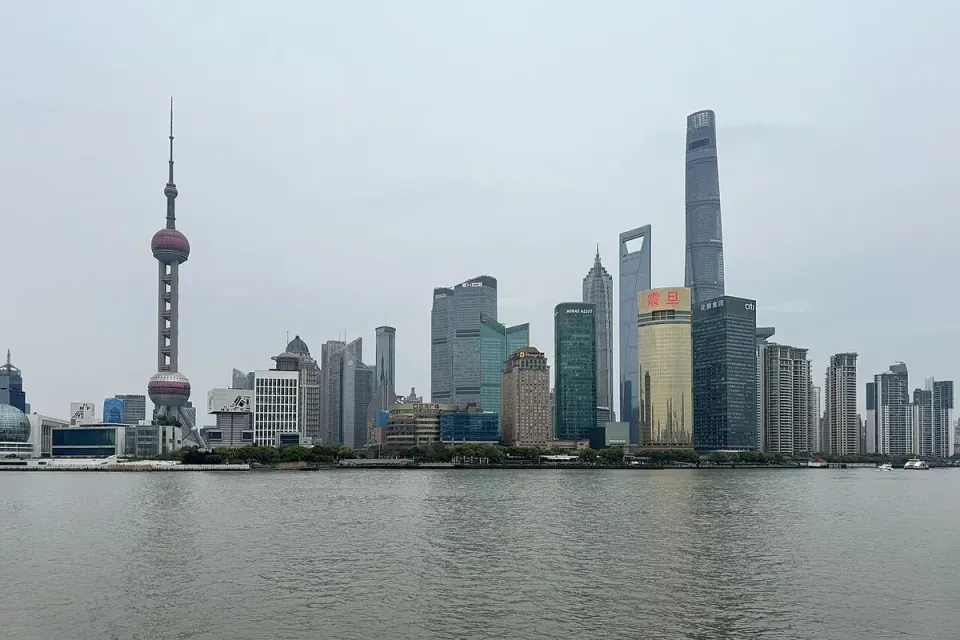
In a strategic move to bolster economic resilience and expand international partnerships, Iran and China recently convened an investment and trade forum in Shanghai. This high-profile gathering, reported by IRNA, brought together a delegation of economic and diplomatic officials from both nations, alongside representatives from major Iranian companies and prominent Chinese business entities. The forum's primary objective was to explore new avenues for cooperation and to significantly broaden bilateral trade and investment horizons.
The initiative underscores Iran's continued pivot towards Eastern economies, particularly China, as a crucial component of its strategy to mitigate the impact of Western sanctions and stimulate domestic economic growth. By fostering deeper engagement with one of the world's largest economies, Tehran aims to secure vital foreign investment, diversify its export markets, and integrate further into global supply chains that bypass traditional Western dominance. This forum represents a tangible step in solidifying the comprehensive strategic partnership between the two countries.
The implications for Iran are substantial, as successful implementation of agreements forged at such forums could translate into increased foreign capital inflows and enhanced trade volumes, potentially offering long-term support for the Iranian economy and its currency. While the immediate effects on daily market prices like the Toman may not be direct, a strengthened economic relationship with China can foster greater confidence in Iran's economic outlook. However, actualizing these opportunities often involves overcoming complex logistical and financial challenges, especially given the existing sanctions regime, meaning concrete benefits for ordinary citizens may take time to materialize.
Apple's HomeView Prepares for AI Chatbot Integration
Apple is reportedly making significant strides in integrating advanced artificial intelligence into its smart home ecosystem, HomeView. Recent code discovered in the iOS 27.3 beta suggests that the tech giant is preparing to add robust support for sophisticated chatbots, such as ChatGPT and Claude, within its smart home hub. This development is indicated by the presence of a flag for a "Conversational Apps" category, signaling a strategic enhancement to how users will interact with their Apple-powered smart devices.
This move by Apple reflects the accelerating trend of major technology companies embedding generative AI capabilities deeply into their product offerings. By bringing conversational AI to HomeView, Apple aims to make its smart home experience more intuitive, personalized, and efficient, allowing users to interact with their devices using natural language commands and receive more intelligent responses. This strategic integration positions Apple to compete more effectively with other tech giants that have already made significant investments in AI-driven smart home solutions.

For consumers, the arrival of chatbots in HomeView could dramatically transform daily interactions with smart appliances, lighting, and security systems, making smart homes genuinely "smarter" and more responsive. For the broader tech industry, this signifies the increasing ubiquity of AI as a foundational technology, pushing the boundaries of user interface design and setting new benchmarks for intelligent device ecosystems. It also highlights the intense competition in the AI space, where companies are racing to deliver the most seamless and powerful AI experiences to their vast user bases.
The Scillonian III's Farewell Marks End of an Era for Isles of Scilly
A poignant chapter in British maritime history closed recently as the Scillonian III, a beloved passenger ship, embarked on its final voyage from the Isles of Scilly. For nearly five decades, this much-loved vessel served as a vital link between the remote Cornish islands and the mainland, navigating the often-challenging Atlantic swells. The departure was met with emotional farewells, complete with sea shanties and shared memories of countless journeys, underscoring the deep affection and reliance the community had on the ship.
Known affectionately by some as the "vomit comet" due to its propensity to rock in stormy weather, the Scillonian III was more than just a ferry; it was an integral part of life for residents and a cherished experience for tourists. It facilitated trade, brought supplies, and connected families, playing an indispensable role in the economic and social fabric of the Isles of Scilly. Its retirement marks a significant transition for the islands, symbolizing the end of an era defined by this particular vessel's steadfast service.

The cessation of the Scillonian III's service, likely due to age or the introduction of a modernized replacement, highlights the challenges and evolution of transport infrastructure for remote communities. While a new vessel will undoubtedly take its place, the emotional resonance of this specific ship's departure speaks to the human connection with dependable services that shape daily life. For the region, it signals an adaptation to new realities, aiming to maintain the essential lifeline that the Scillonian III so faithfully provided for almost half a century.
Polish Officers Hailed as Heroes for Confronting Kraków Gunman
Two courageous Polish police officers, Jakub Kulik and Artur Morański, have been lauded as national heroes for their decisive actions in confronting a gunman in Kraków on Saturday. Their bravery, which involved a close-range exchange of fire, is credited with preventing further casualties in an attack that tragically killed six and injured seventeen. Officer Kulik sustained critical injuries, while Morański was also wounded, highlighting the immense personal risk law enforcement officers undertake in the line of duty.
The incident involved a 24-year-old Polish national, whose actions are believed to have been inspired by far-right ideologies, underscoring the persistent threat of extremist violence in Europe and globally. The officers' swift pursuit and detention of the suspect demonstrate the critical role of frontline policing in neutralizing immediate threats and protecting civilian lives. Their selflessness in the face of extreme danger has drawn widespread praise and admiration across Poland.
This act of heroism serves as a stark reminder of the global prevalence of ideologically motivated violence and the ongoing need for robust security measures and community vigilance. Beyond the immediate tragedy, the bravery displayed by Officers Kulik and Morański offers a powerful testament to human courage and dedication to public service. Such events, while harrowing, often galvanize public support for law enforcement and initiate broader conversations about combating extremism and ensuring societal safety.
Frequently Asked Questions
What does 'narrowly beating expectations' mean for US corporate earnings?
How do US corporate earnings affect the Iranian market?
What is the significance of the Iran-China investment forum?
What does Apple's integration of chatbots into HomeView imply?
Why is the Scillonian III's final voyage newsworthy?
Geopolitics and Global Economic Interdependence
Geopolitics, traditionally focused on military strategy and international relations, has emerged as a paramount factor shaping the global economy. It describes the interplay of geography, power, and politics, demonstrating how state-level decisions and inter-country relationships profoundly influence everything from trade flows and investment patterns to corporate profitability and market stability worldwide. Understanding this intricate dance is crucial for anyone trying to make sense of today's complex economic landscape.
The mechanisms through which geopolitics impacts markets are multifaceted. Political alliances, trade disputes, sanctions, and regional conflicts can directly reconfigure global supply chains, leading to higher costs or production shifts. They can also alter commodity prices, especially for critical resources like oil and rare earths, and redirect foreign direct investment (FDI) as companies seek more stable or strategically aligned environments. For multinational corporations, navigating these shifting geopolitical sands means constantly reassessing market access, operational risks, and strategic partnerships.
Consider the headline's mention of deepening investment ties between Iran and China. This development exemplifies how strategic alliances can forge alternative economic networks, potentially challenging existing global trade orders and financial systems. Such partnerships can open new markets and opportunities for some entities, while simultaneously posing competitive challenges or regulatory hurdles for others, including businesses operating in Western economies like the United States. It underscores a broader trend of geoeconomic fragmentation, where economic decisions are increasingly driven by geopolitical considerations.
In an era where even seemingly localized political decisions can ripple globally, a grasp of geopolitics is indispensable for investors, businesses, and policymakers alike. It provides a vital lens through which to anticipate market volatility, identify emerging economic trends, and mitigate risks. Ultimately, appreciating the profound connection between political power and economic prosperity is key to understanding and thriving in the interconnected world economy.