AI Power Hunger Ignites US Pipeline Boom as Iran Eyes Strategic Value Chains in Shanghai
ولع هوش مصنوعی برای انرژی و رونق خط لوله در آمریکا؛ تلاش ایران برای زنجیرههای ارزش در شانگهای
Surging demand for AI data centers is driving a massive expansion of US natural gas pipelines under deregulatory policies, while Iran seeks to cement long-term scientific and economic ties with China at the Shanghai Expo.
At time of publishing
USD
265,500
Toman
Gold 18K
25.36M
Toman / gram
Bitcoin
$75,981
US Dollar
Tether
266,618
Toman
The Hidden Infrastructure of the AI Revolution
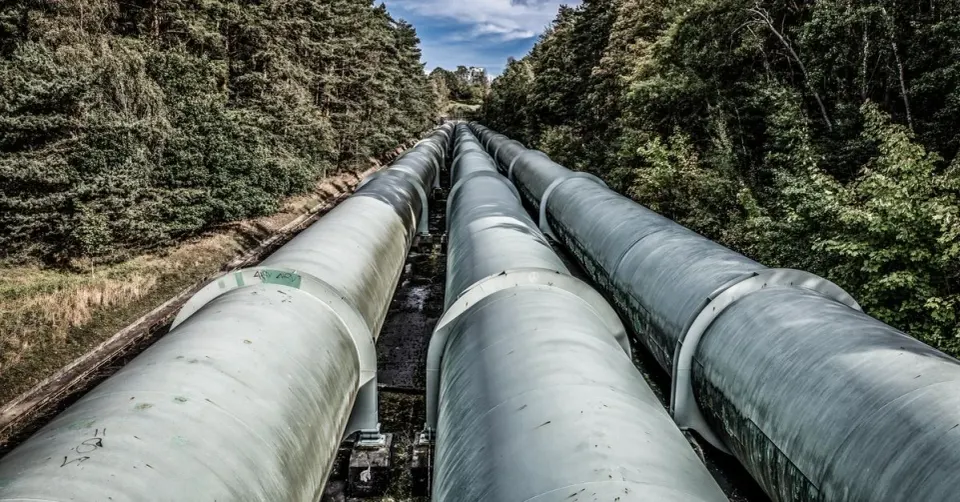
The global race for artificial intelligence supremacy is often discussed in terms of chips and algorithms, but the physical reality is far more industrial. A new review of federal records reveals that the massive power requirements of AI data centers are driving a significant boom in fossil fuel pipeline projects across the United States. Nearly 200 projects, spanning roughly 17,000 miles, are currently proposed or underway. This expansion is being accelerated by a Trump administration that has systematically gutted environmental regulations, prioritizing energy delivery over ecological safeguards. The report from the Environmental Integrity Project highlights that this infrastructure is not only serving domestic tech giants but also fueling natural gas exports necessitated by ongoing global conflicts, including those involving Ukraine and Iran.
For the Iranian market and regional observers, this shift is a critical indicator of long-term energy trends. As the US doubles down on its natural gas infrastructure to support its tech sector, it solidifies its position as a primary competitor in the global energy market. This aggressive expansion, coupled with deregulation, suggests that the US is preparing for a sustained period of energy dominance, which could further complicate Iran's efforts to regain market share for its own energy exports. The nexus of high-tech demand and old-school fossil fuel infrastructure creates a new geopolitical dynamic where energy security is inextricably linked to the computing power of the next generation.
Iran and China: Beyond Simple Trade
While the US focuses on internal infrastructure, Tehran is looking eastward to secure its economic future. At the Shanghai Expo, Iran’s ambassador to China has emphasized a strategic shift from simple commodity trading to the creation of "joint value chains." This approach aims to integrate Iranian industrial and scientific potential directly into the Chinese economic machine. The goal is no longer just selling crude oil; it is about deepening cooperation in high-tech sectors, scientific research, and joint investments that could bypass traditional Western-dominated financial systems. By positioning itself as a technological partner rather than just a resource provider, Iran hopes to build a more resilient economy that can withstand the pressures of international sanctions.
This deepening relationship with Beijing is a direct response to the shifting geopolitical landscape. As China continues to expand its global influence through initiatives like the Shanghai Expo, Iran is positioning itself as a vital node in that network. The ambassador’s call for scientific and technological cooperation suggests a long-term vision where Iranian engineers and scientists work alongside Chinese counterparts to develop indigenous technologies. For the average Iranian investor, this signals a shift in where the country’s economic gravity is pulling—moving away from a hope for Western rapprochement and toward a permanent integration into the Eastern economic bloc.

COP31 and the Global Climate Crisis
As the world grapples with these conflicting energy and economic demands, the COP31 climate summit is set to begin in Turkey. The host nation has emphasized that the talks must deliver "tangible outcomes" that people can see and feel, especially as the strongest El Niño weather system on record wreaks havoc globally. The summit arrives at a time of extreme tension: while scientists warn of catastrophic climate damage costing trillions of dollars, major economies like the US are simultaneously expanding fossil fuel infrastructure to power the AI revolution. This disconnect between climate rhetoric and industrial reality will be the primary source of friction during the high-stakes negotiations involving nearly 190 countries.
For the Middle East, a region particularly vulnerable to climate change, the outcomes of COP31 are not merely academic. Rising temperatures and shifting weather patterns threaten agricultural stability and water security across the Iranian plateau. However, the geopolitical reality is that climate policy is often a secondary concern to immediate economic survival and energy security. As world leaders gather in Antalya, the challenge will be to find a path that balances the desperate need for energy to fuel modern technology with the existential threat of a warming planet. The results of these talks will likely dictate the flow of green investment and the severity of future environmental regulations that could impact global trade routes and energy prices.

Market Realities and the Toman's Trajectory
Turning to the local markets, the Iranian Toman has seen a slight correction over the last 24 hours. The USD sell rate moved from 266,000 down to 265,500, representing a minor decrease of 0.2%. This relative stability suggests a temporary cooling of the recent volatility, though the underlying geopolitical pressures remain high. Gold has followed a similar downward trend, with 18k gold per gram dropping from 25,490,558 to 25,363,590 Toman, a 0.5% decline. Emami coins also saw a slight dip, falling from 260 million to 259 million Toman. These movements reflect a broader market wait-and-see approach as investors digest the latest news from the US and the ongoing diplomatic maneuvers in the East.
In the cryptocurrency space, Bitcoin continues to trade at high levels, currently sitting at $75,981. The strength of the crypto market remains a focal point for many Iranian investors seeking a hedge against domestic inflation and currency devaluation. However, with the US doubling down on traditional energy infrastructure to fuel its tech sector, the long-term energy costs of maintaining decentralized networks like Bitcoin are coming under renewed scrutiny. As we move into the middle of November (mid-Aban), the interplay between global energy policy, tech demand, and regional diplomacy will continue to be the primary drivers of the Iranian financial landscape.
Frequently Asked Questions
چرا هوش مصنوعی باعث افزایش قیمت یا تقاضای گاز شده است؟
منظور از زنجیره ارزش مشترک ایران و چین چیست؟
آیا کاهش قیمت دلار در بازار امروز ۱۷ آبان ادامهدار خواهد بود؟
The Energy-Infrastructure Nexus of Artificial Intelligence
Artificial Intelligence (AI), while revolutionizing technology, is rapidly emerging as a significant consumer of energy. The focus is shifting from just the software capabilities to the underlying hardware and vast resource consumption required. Training and operating sophisticated AI models, particularly large language models (LLMs), demand immense amounts of electricity, primarily powering specialized hardware housed in colossal data centers. This escalating demand is becoming a critical factor in global energy markets and infrastructure planning, prompting a reevaluation of energy supply strategies.
The reason behind AI's prodigious energy appetite lies in its computational intensity. The process of training LLMs involves crunching petabytes of data, requiring hundreds or thousands of Graphics Processing Units (GPUs) and specialized AI chips to run continuously for weeks or even months. Each of these processors consumes substantial power, and when aggregated in massive data centers, their collective draw is enormous. Furthermore, these data centers require extensive cooling systems to prevent overheating, which themselves are major electricity consumers, further amplifying the overall energy footprint.
This "AI power hunger" has a direct and profound impact on energy infrastructure. As the demand for AI computation intensifies, it drives the need for new electricity generation capacity and robust transmission networks to deliver power reliably. The "US pipeline boom" mentioned in the headline exemplifies this phenomenon; natural gas, being a flexible and relatively abundant fuel, is often a primary source for new power plants built to meet the surging electricity demand from burgeoning data centers. This creates a feedback loop: AI growth necessitates substantial energy infrastructure expansion, which in turn enables further AI development and deployment.
Understanding this energy-infrastructure nexus is crucial for navigating the future of both AI and global energy systems. It raises critical questions about sustainability, grid stability, and geopolitical energy strategies. While there's a growing push to power data centers with renewable energy sources, the sheer scale and rapid growth of AI demand often necessitate a diverse energy mix. Policymakers, energy companies, and technology innovators must collaborate to develop sustainable solutions that can support the continued advancement of AI without compromising environmental goals or energy security.