Trump Hints at Policy Shift as Oil Dips; Crypto Firms Buy Bitcoin Amid Market Jitters
ترامپ از احتمال تغییر سیاست میگوید؛ شرکتهای رمزارز در میان نگرانی بازار بیتکوین میخرند
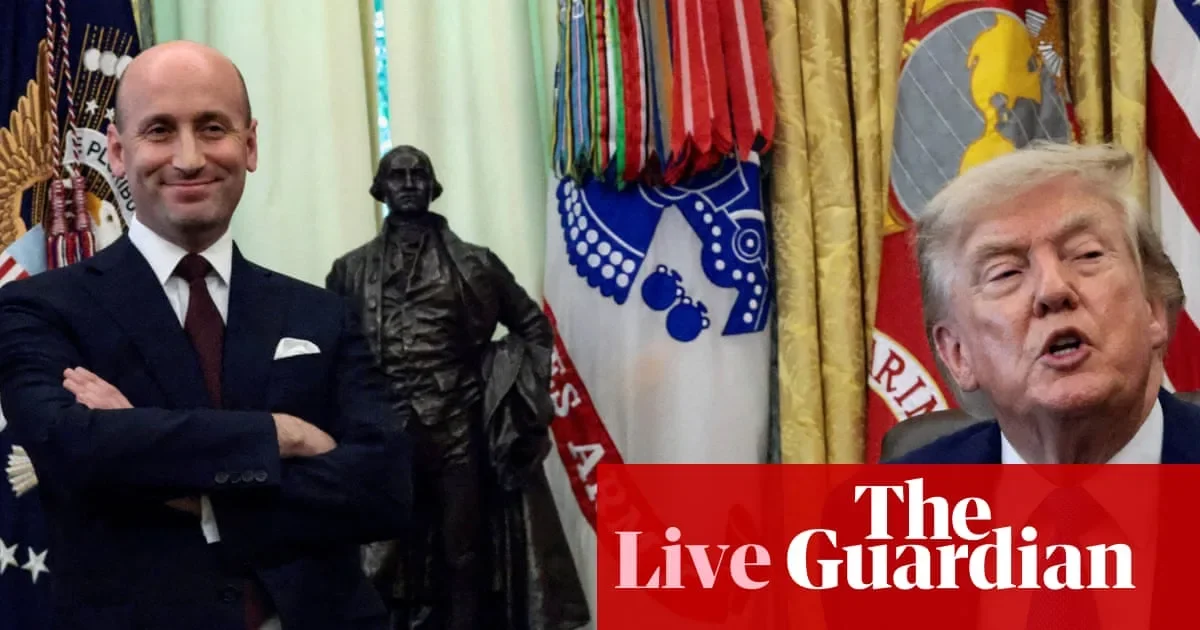
Former President Trump has suggested his past deportation policies might have been too harsh, coinciding with Stephen Miller's appointment as chief of staff. Meanwhile, oil prices have fallen sharply to $94 a barrel, with reports of an $8 billion Iranian deal concerning the Strait of Hormuz heading to the White House. In cryptocurrency, Strategy has significantly increased its Bitcoin holdings, even as broader market liquidations exceed $1 billion.
At time of publishing
USD
264,000
Toman
Gold 18K
25.76M
Toman / gram
Bitcoin
$74,581
US Dollar
Tether
264,009
Toman
Trump Acknowledges Potential Policy Excesses Amidst Staff Shake-up
Former President Donald Trump has made a notable, albeit subtle, shift in his rhetoric regarding past immigration policies, suggesting that his administration's stringent deportation strategies "might have been too tough." This acknowledgement comes at a significant juncture, coinciding with the official appointment of Stephen Miller, the architect of those very policies, as his chief of staff. The juxtaposition raises questions about the future direction of Trump's political positioning, particularly as he navigates potential presidential campaigns and seeks to broaden his appeal.
This statement, appearing at odds with his long-held hardline stance, could be interpreted as a strategic recalibration. With Miller now firmly in a key role, his influence on immigration and domestic policy will likely remain substantial. However, Trump's public musing could signal an attempt to distance himself from the more extreme elements of his past agenda or to test the waters for a more moderate approach. The immediate implications for Iranian expatriates or those with ties to Iran are unclear, but any perceived softening on immigration could indirectly influence broader discussions on international relations and bilateral policies, potentially impacting sentiment around sanctions or trade agreements.
--- ## Oil Prices Tumble Amid Iran-Hormuz Deal Speculation
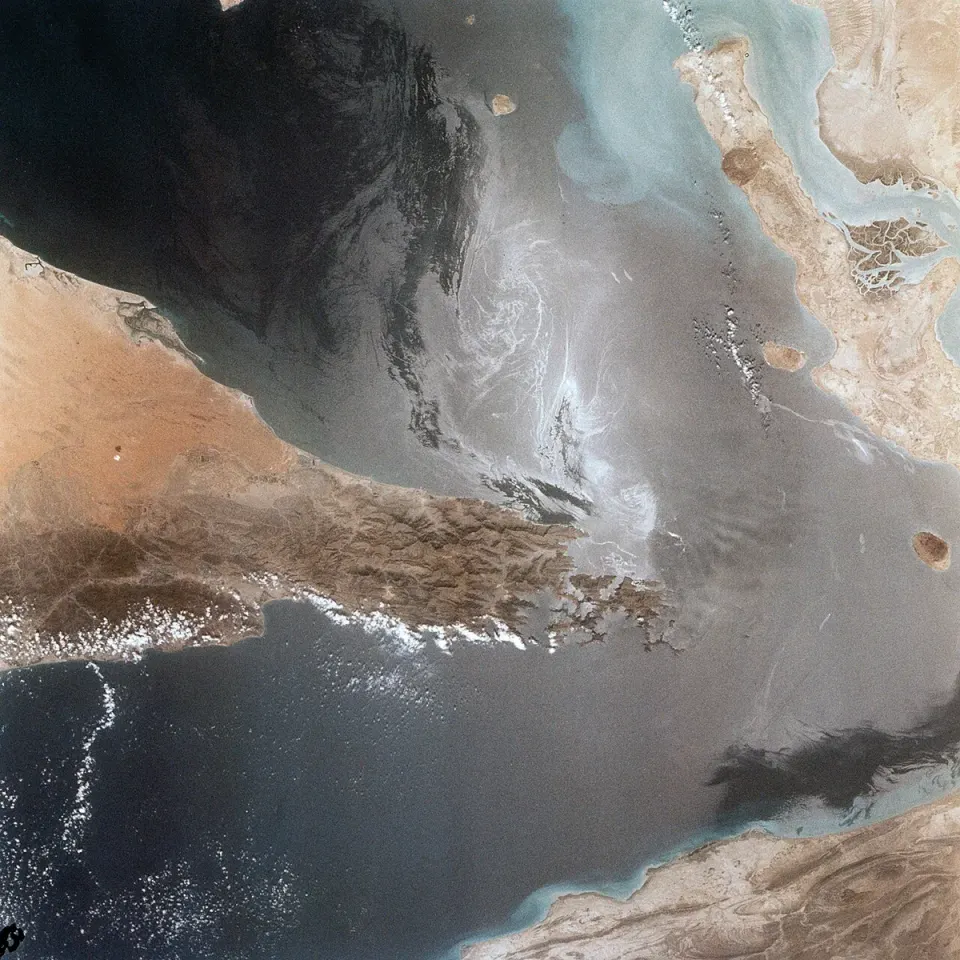
Global oil benchmarks experienced a significant downturn, with Brent crude sinking 3.6% to $94.00 per barrel and WTI dropping 3% to $88.09. This sharp decline extends a trend of market volatility, marking Brent's steepest weekly fall since the early days of the Covid-19 pandemic. The primary driver behind this bearish sentiment appears to be the news that Qatar's prime minister is heading to the White House with an Iranian proposal for an interim deal to potentially reopen the Strait of Hormuz. The reported $8 billion value of this deal underscores its potential economic significance.
According to diplomatic sources speaking to Israeli media, Tehran has reportedly approved the Qatari-brokered terms. This development, if it materializes, could significantly ease supply concerns in a market already sensitive to geopolitical risks. An open Strait of Hormuz would facilitate the unimpeded flow of oil, directly impacting global supply dynamics and consumer prices. For Iran, such a deal could provide much-needed economic relief and a degree of international re-engagement, potentially influencing its broader economic strategies and its leverage in regional and global affairs. The market's immediate reaction reflects a strong belief that increased oil supply is on the horizon.
--- ## Crypto Investment Surges as Market Liquidity Drains
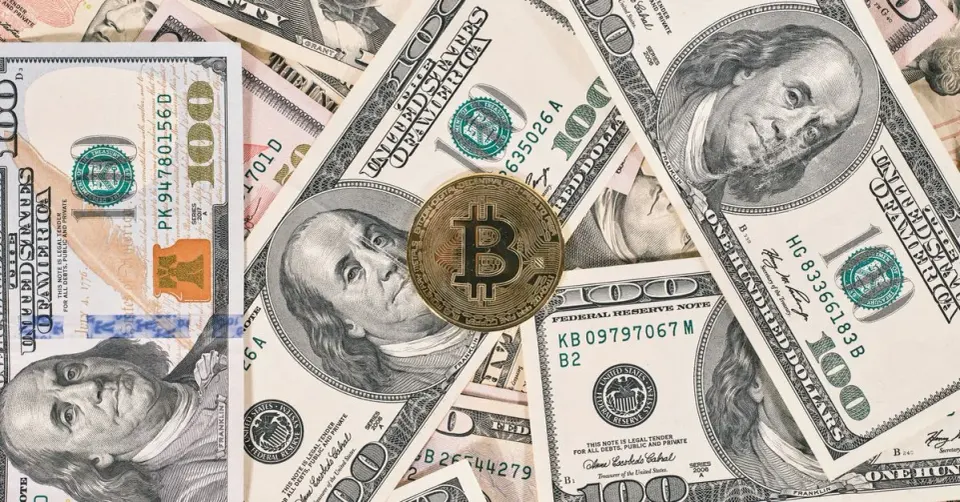
In a contrasting move to the broader market's bearish trend, Michael Saylor's company, Strategy, has made substantial new investments in Bitcoin. The firm purchased an additional 1,036 BTC for $82 million, bringing its total holdings to over 850,000 Bitcoin, which represents more than 4% of the cryptocurrency's total supply cap. This strategic accumulation has occurred even as the broader crypto market faces significant headwinds, with over $1 billion in long positions being liquidated in the past 24 hours, pushing Bitcoin below its 50-week moving average.
This divergence highlights a key dynamic within the cryptocurrency space: institutional players like Strategy continue to view Bitcoin as a long-term asset despite short-term volatility. The company sold $284 million of MSTR stock to fund these purchases, indicating a strong conviction in Bitcoin's future value. The massive liquidation figures suggest a shakeout of weaker hands or leveraged positions, potentially clearing the way for more stable growth. For investors watching the Iranian market, particularly those looking at the USDT price in Toman (currently 264,009), this institutional confidence in Bitcoin could offer a counterpoint to concerns about traditional currency fluctuations and broader economic uncertainty.
--- ## Black Girls Lead Change in Los Angeles Amidst Rising Violence
In Los Angeles, a powerful movement is being spearheaded by Black girls and young women who are taking a stand against the alarming rates of violence impacting their communities. Black women and girls are disproportionately represented among homicide victims in LA, leading these young activists to grow frustrated with the perceived failures of law enforcement and legislative bodies to adequately address the crisis. Their response has been to proactively organize, speak out, and drive change from the ground up, demanding safer environments and accountability.
This grassroots activism is a testament to the resilience and determination of these young women, who are transforming personal grief and community trauma into collective action. They are not waiting for solutions but are actively creating them, challenging systemic issues that have long plagued marginalized communities. While this story is primarily a social and human interest piece, it underscores a broader theme of empowerment and the demand for justice that resonates globally. Such movements, even when localized, can influence public discourse and policy, indirectly impacting the broader socio-political climate which, in turn, can have ripple effects on international relations and economic stability.
Frequently Asked Questions
What is the significance of Stephen Miller's appointment as Chief of Staff?
Why did oil prices fall sharply?
What is Strategy's recent Bitcoin activity?
How do these events potentially affect the Iranian economy or currency?
Understanding the Geopolitical Risk Premium in Oil Prices
The price of oil, a commodity vital to the global economy, is influenced by far more than just the basic dynamics of supply and demand. A crucial factor, often overlooked by casual observers, is the geopolitical risk premium. This concept refers to the additional cost built into oil prices due to the perceived threat of political instability, conflict, or supply disruptions in major oil-producing regions or transit choke points. It's a reflection of market anxiety, where traders and investors factor in potential future events that could curtail supply, even if those events haven't materialized yet.
This premium arises when geopolitical tensions escalate. For instance, threats to key shipping lanes like the Strait of Hormuz—a narrow waterway critical for a significant portion of the world's seaborne oil trade—can immediately trigger an upward adjustment in prices. Similarly, political shifts in major oil-producing nations, sanctions against specific countries (like those related to the Iran nuclear deal), or regional conflicts create uncertainty. Markets react by demanding a higher price for oil, essentially charging a "premium" to compensate for the heightened risk of future supply interruptions.
When headlines mention figures like Donald Trump hinting at policy shifts, especially concerning regions like the Middle East or deals like the Iran nuclear agreement, markets pay close attention. Any perceived weakening of stability or increased likelihood of confrontation can inject a geopolitical risk premium into Brent Crude and other oil benchmarks. This isn't just about actual barrels of oil being removed from the market; it's about the collective anticipation and fear among market participants that such disruptions could happen, pushing prices higher even on mere speculation.
Understanding this premium is essential because it highlights how deeply intertwined global politics and energy markets are. It explains why oil prices can spike even when physical supply remains stable, illustrating the profound impact of perceived risk on commodity valuations and, consequently, on global economic stability.
Topics
Related Articles