Paraguay's $1B Bank Scandal Rocks Markets as Corporate America’s Earnings Growth Hits 4-Year Low
رسوایی یک میلیارد دلاری رئیسجمهور پاراگوئه و هشدار کاهش سود در والاستریت
A massive corruption scandal involving Paraguay's President has sent shockwaves through regional finance, while S&P 500 earnings show their weakest growth in years. Meanwhile, Tehran interprets US midterm results as a strategic opening despite continued military pressure.
At time of publishing
USD
263,200
Toman
Gold 18K
25.76M
Toman / gram
Bitcoin
$74,980
US Dollar
Tether
262,975
Toman
The Billion-Dollar Presidential Bank Collapse in Paraguay
In a development that has sent shockwaves across Latin American financial markets, prosecutors in Paraguay have accused President Santiago Peña of orchestrating a massive corruption scheme. According to reports, nearly a billion dollars in government funds were funneled into Ueno Bank, an institution that saw a meteoric rise under the current administration. The allegations suggest that while public funds were being injected into the bank, its executives were busy issuing reckless insider loans to political allies, creating a house of cards that is now beginning to tumble. This scandal isn't just a local issue; it represents a significant blow to investor confidence in emerging markets, highlighting how institutional fragility can be exploited by executive overreach.
For global investors, the Paraguayan situation serves as a grim reminder of the risks associated with state-aligned banking. The 'stunning rise and fall' of Ueno Bank mirrors previous financial crises where political patronage substituted for sound fiscal policy. As prosecutors dig deeper, the contagion effect could spread to neighboring economies that share trade ties with Asunción. The immediate fallout has already triggered a reassessment of sovereign risk in the region, as markets wait to see if the judicial system can maintain independence against a sitting president accused of such vast financial misconduct.
Wall Street’s Thinning Veil: Corporate Profits Lose Their Shine
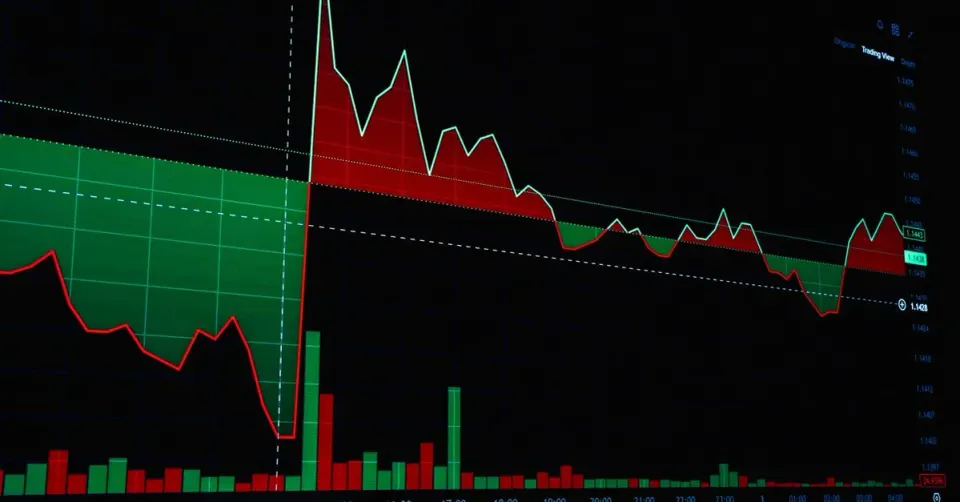
The latest data from Corporate America suggests that the post-pandemic earnings boom is officially running out of steam. S&P 500 companies are currently reporting profit numbers that are barely exceeding Wall Street’s expectations, marking the narrowest margin of 'beats' in roughly four years. While companies are technically still in the black, the diminishing returns indicate that high interest rates and cooling consumer demand are finally catching up with the world’s largest entities. This trend is particularly concerning because it suggests that the 'soft landing' everyone hoped for might be harder than anticipated, as firms struggle to pass on costs to increasingly stretched consumers.
This economic anxiety is being felt at the individual level as well, reflected in the shifting sentiment of high-net-worth individuals. A poignant example of this late-cycle psychology is the growing debate among investors over legacy versus luxury; one 55-year-old investor facing a health crisis recently questioned whether to spend $210,000 on a Porsche or preserve a legacy for his children. This micro-level dilemma mirrors the macro-level reality: the era of easy money and exuberant spending is being replaced by a more cautious, defensive posture. With the USD selling at 263,200 Toman (a -0.9% drop over 24h), the global appetite for risk is being recalibrated in real-time.
The Perception Gap: Tehran’s Midterm Gamble and France’s Wage Crisis
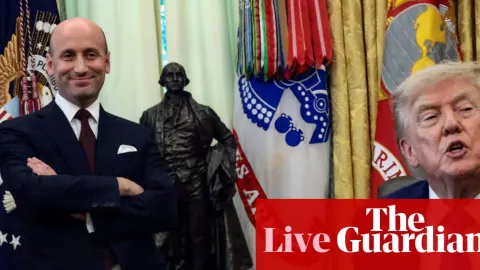
In the geopolitical arena, a significant perception gap is opening between Tehran and Washington. Iranian officials, including Foreign Minister Abbas Araghchi, appear to be interpreting the recent US midterm election results as a sign of American domestic weakness, viewing it as a 'golden opportunity' to secure a more favorable nuclear or sanctions deal. However, this optimism may be misplaced. While President Trump has characterized renewed military strikes as 'highly unlikely' if talks progress, the Pentagon continues to ramp up military pressure in the region. This disconnect suggests a dangerous potential for miscalculation, where Tehran’s belief in a diplomatic opening meets a Washington that is doubling down on its 'maximum pressure' heritage.
Meanwhile, the cost-of-living crisis is forcing radical policy shifts in Europe. French Prime Minister Sebastien Lecornu has taken the unusual step of bringing forward a planned 1.6 percent minimum wage increase to December, skipping the traditional January rollout in a desperate bid to quell rising civil unrest. This move highlights the intense pressure governments are under to manage inflation without triggering a wage-price spiral. For the Iranian market, where Gold 18k rose 1.3% to 25,762,962 Toman today, these global shifts in labor and military posture are critical. As France tries to buy social peace, and Iran looks for a diplomatic exit, the underlying volatility in commodities and currencies remains the only constant.
---

Frequently Asked Questions
Why is the Paraguay bank scandal affecting international markets?
What does the 'narrow beat' in S&P 500 earnings mean for investors?
Why did gold rise in Iran while the USD fell today?
Understanding Financial Contagion: How Local Shocks Go Global
The news of a $1 billion bank scandal in Paraguay, described as "rocking markets," highlights a critical concept in global finance: Financial Contagion. This phenomenon refers to the spread of financial instability from one market or institution to others, often across national borders, much like a communicable disease. What begins as a localized issue, such as a major bank failure or a significant fraud, can trigger a cascade of negative effects throughout the broader financial system, impacting investor confidence and economic stability far beyond its origin.
Financial contagion operates through several interconnected channels. One primary mechanism is the interbank lending market, where banks lend to and borrow from each other. If a major bank faces distress, other banks that have lent to it may become insecure about repayment, leading them to hoard cash and reduce lending, thereby tightening credit conditions across the entire system. Another channel involves investor panic and herd behavior; news of a crisis in one market can cause investors to indiscriminately withdraw funds from other seemingly similar or interconnected markets, even if those markets are fundamentally sound. This can lead to capital flight, currency depreciation, and asset price collapses in vulnerable economies.
Furthermore, contagion can spread through shared economic vulnerabilities or cross-border investments. For instance, if a scandal in one country impacts a multinational corporation, its operations and stock performance in other countries could also suffer. The interconnectedness of global supply chains and financial instruments means that a shock in one area can quickly ripple through, affecting trade, investment flows, and ultimately, corporate earnings and economic growth in distant regions. The initial trigger, like a bank scandal, acts as a catalyst, exposing underlying fragilities and amplifying market uncertainty.
The implications of financial contagion are profound, ranging from increased market volatility and a loss of investor confidence to severe credit crunches and potential economic recessions. Policymakers and regulators worldwide strive to build robust financial systems and implement early warning mechanisms to prevent and mitigate such occurrences. Strong regulatory oversight, international cooperation, and swift, decisive central bank interventions are crucial tools in containing the spread of financial instability and safeguarding global economic health from localized shocks.
Topics
Related Articles