Australia Eyes Green Subsidy Cuts, Pharma Jolted by Failed Heart Drug Trial, Brand Sentenced to 10 Years
استرالیا به دنبال کاهش یارانههای سبز، شوک به داروسازی با شکست آزمایش داروی قلب، برند به ۱۰ سال زندان محکوم شد
Australia's Treasurer faces pressure to slash green energy subsidies to combat inflation, while the pharmaceutical industry reels from a failed heart drug trial. In the UK, Russell Brand received a significant prison sentence, and Thames Water grapples with a £20 billion debt crisis, all impacting global market sentiment.
At time of publishing
USD
263,000
Toman
Gold 18K
25.76M
Toman / gram
Bitcoin
$74,456
US Dollar
Tether
262,909
Toman
Australia Debates Green Subsidies Amid Inflation Fight
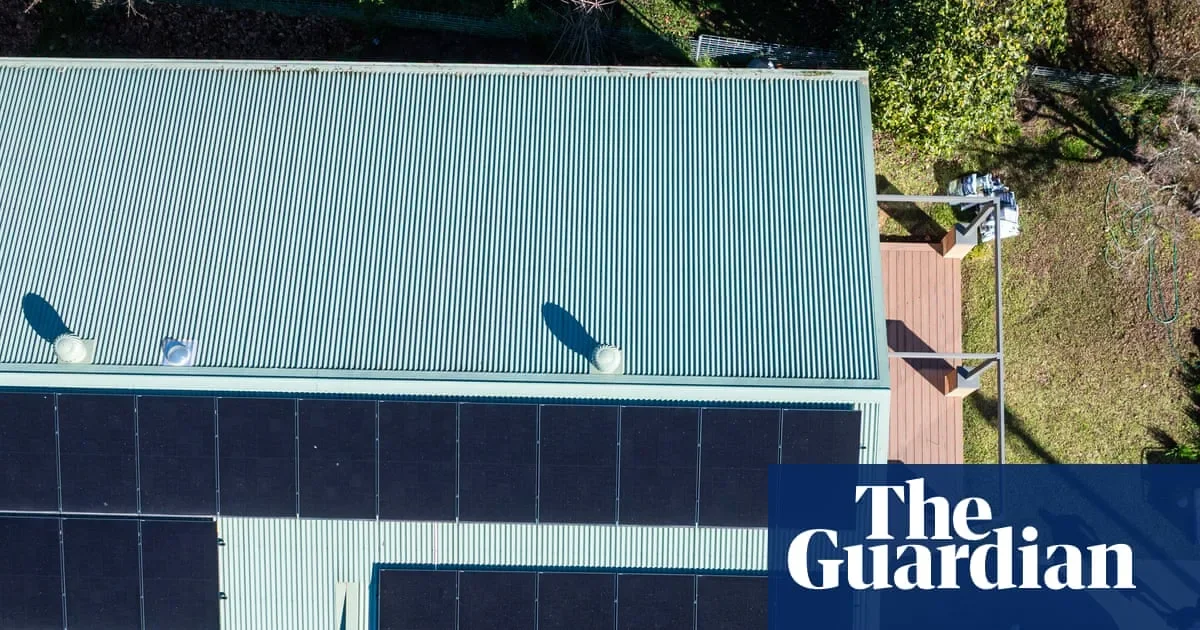
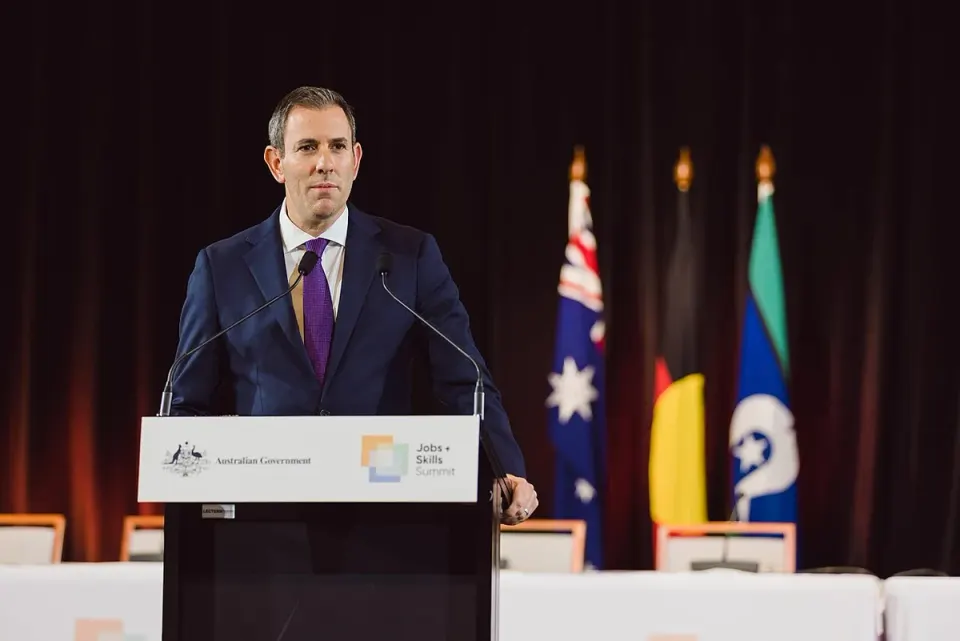
Australia's Treasurer, Jim Chalmers, is facing mounting pressure to rein in government spending, with green energy subsidies for households, particularly those for home batteries and electric vehicles (EVs), emerging as a prime target in the upcoming mid-year budget update. This push is framed as a crucial step in the fight against persistent inflation, as the government seeks to tighten its fiscal belt. The cheaper home batteries program, which has offered a 30% taxpayer-backed rebate since July last year, is under intense scrutiny.
However, critics argue that the sudden focus on slashing green initiatives carries a distinct political undertone, suggesting that other, less politically palatable expenditures might offer a stronger economic case for reduction. For instance, some point to the billions allocated to nuclear-powered submarines or the long-standing diesel fuel rebates for miners as areas where cuts could yield greater fiscal dividends without jeopardizing climate commitments. This debate highlights the complex interplay between economic stability, environmental policy, and political maneuvering within the current administration.
The potential rollback of these subsidies could have significant implications for Australia's transition to a greener economy. For consumers and businesses, it may translate to higher upfront costs for adopting sustainable technologies, potentially slowing the uptake of EVs and home battery storage systems. This policy shift underscores a broader global challenge: how governments balance immediate economic pressures, such as inflation, with long-term strategic goals like decarbonization, often navigating public sentiment and vested interests in the process.
Heart Drug Trial Failure Jolts Pharmaceutical Sector
The global pharmaceutical sector is currently absorbing a significant blow following the unsuccessful clinical trial of a highly anticipated heart drug designed to reduce Lp(a) levels. Despite effectively lowering lipoprotein(a) in patients, the trial's full data revealed no discernible cardiovascular benefit, casting a long shadow over other companies that are developing similar therapies and raising questions about the efficacy of this particular therapeutic pathway.
Lp(a), often referred to as "bad" cholesterol, has long been identified as a significant risk factor for heart disease, prompting substantial investment from drugmakers eager to develop treatments. The assumption has been that reducing Lp(a) would directly translate into improved cardiac health outcomes. This trial's failure challenges that fundamental premise, suggesting that the biological mechanisms linking Lp(a) reduction to overall cardiovascular benefit may be more complex than initially understood, or that the drug itself lacked the necessary comprehensive impact.
This outcome is a major setback for the entire class of Lp(a)-targeting drugs and could trigger a significant re-evaluation of research and development strategies across the pharmaceutical industry. Companies with similar drugs in various stages of development may face investor skepticism, potential stock price corrections, and a need to recalibrate their pipelines. Ultimately, for millions of patients with elevated Lp(a) levels, it means a prolonged wait for truly effective and proven treatments, highlighting the inherent risks and arduous journey of medical innovation.
Thames Water Seeks Debt Extension Amidst Financial Turmoil
Thames Water, the United Kingdom's largest water and wastewater services provider, has formally requested its creditors for an extension on the repayment of a substantial portion of its colossal £20 billion debt. The troubled utility is lobbying to push the deadline for an unspecified part of its debt pile from 2027 to March 2028, a move that underscores the severe financial precariousness the company currently faces as it struggles to maintain operational solvency.
The company's dire financial state is the culmination of years of chronic underinvestment in its aging infrastructure, coupled with significant debt accumulation and mounting public and regulatory criticism. Thames Water has been under intense scrutiny for widespread sewage discharges into rivers and persistent service failures, which have further eroded public trust and complicated its efforts to secure additional funding. This plea for a debt extension is a critical maneuver to stave off immediate financial collapse and buy crucial time for restructuring.

The unfolding crisis at Thames Water represents a pivotal moment for the UK's privatized utility sector. Should the company fail to secure its requested extension or find a viable path forward, it could necessitate government intervention, potentially including temporary nationalization, with far-reaching implications for other heavily indebted utilities. For millions of customers, the uncertainty raises concerns about future service quality, infrastructure improvements, and the potential for increased bills, highlighting the inherent tension between private ownership and the provision of essential public services.
Russell Brand Sentenced to Over a Decade for Sexual Assaults
Disgraced British actor and comedian Russell Brand has been sentenced to 10 years and six months in prison following his conviction for rape and sexual assault. The sentencing, which took place after a four-week trial at Southwark Crown Court, found Brand guilty of raping a fan and sexually assaulting three other women during the peak of his show business career. Throughout the proceedings, Brand, aged 51, was starkly depicted as a "ruthless and manipulative sexual predator."
This high-profile conviction marks a significant culmination of a legal battle that brought to light a pattern of predatory behavior previously shielded by Brand's celebrity status. The case has been widely followed, serving as a powerful testament to the courage of the survivors who came forward against a prominent public figure. It underscores critical societal issues surrounding consent, the abuse of power within the entertainment industry, and the profound, lasting impact of sexual violence on its victims.
The lengthy prison sentence handed down to Russell Brand sends an unambiguous message regarding accountability, irrespective of an individual's fame or influence. It represents a substantial victory for survivors of sexual assault, potentially empowering others to seek justice. For the entertainment world, the verdict serves as a stark reminder of the urgent need for safer working environments and more rigorous oversight of individuals in positions of power, contributing to the ongoing global dialogue about fostering a culture of respect and zero tolerance for sexual misconduct.
Global Markets React to Policy Shifts and Trial Outcomes
Amidst these significant global developments, financial markets are showing nuanced reactions, with notable shifts in currency and commodity valuations. The Iranian Toman saw a slight appreciation against the U.S. Dollar, with the USD moving from 265,500 to 263,000 Toman, marking a -0.9% change over the last 24 hours. This modest movement could be influenced by various local and international economic signals, including shifts in regional sentiment or minor adjustments in trade dynamics.
Meanwhile, gold continues to demonstrate its traditional role as a store of value, with 18-karat gold per gram rising from 25,444,388 Toman to 25,762,962 Toman, a gain of +1.3%. This upward trajectory for gold often reflects underlying investor caution or a hedge against broader economic uncertainties, which could include the long-term implications of inflationary pressures discussed in economies like Australia, or the systemic risks highlighted by the Thames Water debt crisis. The Emami coin, however, remained stable at 259,000,000 Toman, showing no change over the same period.
These market movements illustrate how global policy decisions, corporate financial health, and high-profile legal outcomes can ripple through various asset classes. The ongoing debate over green subsidies in Australia, the pharmaceutical sector's setback, and the critical situation at Thames Water all contribute to a complex economic landscape where investors are constantly re-evaluating risk and opportunity. While the Toman saw a slight gain against the dollar, the consistent climb in gold prices suggests a prevailing sentiment of seeking safety amidst a dynamic and uncertain global environment.
Frequently Asked Questions
Why is Australia considering cutting green energy subsidies now?
What does the failed heart drug trial mean for patients with high Lp(a)?
What are the implications of Thames Water's debt crisis for UK consumers?
How might Russell Brand's sentencing impact the entertainment industry?
How did the Toman and gold prices react to global events today?
The Double-Edged Sword of Government Subsidies
Government subsidies are financial aids or support extended by a government to an economic sector, business, or individual, often with the aim of promoting economic and social policy. These can take various forms, including direct cash payments, tax breaks, low-interest loans, or price supports. For instance, "green subsidies" are designed to incentivize the production and adoption of renewable energy technologies, helping countries like Australia transition away from fossil fuels, reduce carbon emissions, and foster new industries. They can lower the cost of green technologies for consumers and producers, making them more competitive.
While subsidies can be powerful tools for achieving specific policy goals, their economic effects are a double-edged sword. On the positive side, they can stimulate growth in nascent industries, protect strategic sectors, encourage innovation, and make essential goods or services more affordable for the public. For example, early subsidies for solar panels helped drive down their manufacturing costs globally. They can also address market failures, such as under-provision of public goods or positive externalities, like environmental benefits from green energy.
However, subsidies also carry significant drawbacks. They can distort free markets by favoring certain industries over others, leading to inefficient allocation of resources. If poorly designed or excessively large, subsidies can create "moral hazard," where recipients become overly reliant on government support rather than striving for market competitiveness. Furthermore, funding subsidies places a burden on government budgets, often requiring higher taxes or increased borrowing, which can contribute to national debt. In an inflationary environment, large-scale subsidies that boost demand without a corresponding increase in supply can exacerbate price pressures, a concern that policymakers like Australia's Treasurer Chalmers might weigh when considering "green subsidy cuts."
Ultimately, the effectiveness of government subsidies hinges on careful design, targeted implementation, and regular review. Policymakers must balance the intended benefits—such as fostering a green economy or supporting vulnerable populations—against potential costs like market distortion, budgetary strain, and inflationary pressures. The decision to introduce, maintain, or cut subsidies reflects a complex interplay of economic priorities, social objectives, and fiscal realities.