
France Vows Sanctions Over Iranian Cyber-Aggression; Nvidia Tumbles Amid Spy Scandal
تهدید فرانسه به تحریمهای جدید علیه ایران؛ سقوط آزاد سهام انویدیا در پی رسوایی جاسوسی
France prepares European-wide sanctions after accusing Iran of an 'unprecedented' cyberattack on food supply chains, while Nvidia's market value craters following revelations of a spy-linked scandal involving its CEO.
At time of publishing
USD
264,200
Toman
Gold 18K
25.76M
Toman / gram
Bitcoin
$74,473
US Dollar
Tether
265,000
Toman
The Digital Front: France Accuses Iran of Food Supply Sabotage
Geopolitical tensions between Paris and Tehran have reached a boiling point this Monday, November 9, 2026, as French Foreign Minister Jean-Noël Barrot explicitly blamed Iranian state-linked actors for a massive cyberattack. The operation, described as being of an "unprecedented scale and aggression," targeted the digital thermostats of hundreds of supermarkets across France. By remotely forcing temperatures in industrial freezers and chiller cabinets to rise above 50°C, the attackers effectively destroyed vast quantities of perishable food, striking at the heart of the nation’s logistics and food security. Barrot has already summoned the Iranian ambassador, signaling that the diplomatic fallout will be swift and severe.
This is not merely a technical glitch or a routine data breach; it represents a shift toward "gray zone" warfare where civilian infrastructure is weaponized to cause social unrest and economic damage. The French government has characterized the hack as a "major violation of the nation’s interests" and is now lobbying for a coordinated European Union response. For Iranian residents and businesses, this escalation likely heralds a new wave of targeted sanctions from Brussels, which could further complicate trade relations and tighten the financial noose around the Islamic Republic's technological sectors.

Nvidia’s AI Empire Shaken by Spy Scandal and Market Panic
Nvidia, the undisputed titan of the artificial intelligence revolution, is facing its most existential crisis to date. Shares of the company plummeted during Monday's trading session, wiping out hundreds of billions of dollars in market capitalization. The catalyst was the confirmation of an internal investigation into CEO Jensen Huang’s relationship with an alleged Chinese spy. While figures like Donald Trump and Elon Musk have publicly defended Huang, praising his contributions to American tech dominance, the market remains unconvinced. The scandal threatens to derail Nvidia’s delicate lobbying efforts to ease U.S. chip export restrictions to China, a market that remains vital for the company's long-term growth.
What makes this situation particularly volatile is the timing. As the U.S. government scrutinizes every link between Silicon Valley and Beijing, the revelation that the head of the world's most valuable chipmaker may have been targeted by foreign intelligence has sent shockwaves through the Nasdaq. For investors, the concern isn't just about Huang’s personal future, but whether Nvidia’s proprietary AI secrets have been compromised. This uncertainty is fueling a broader sell-off in the tech sector, as traders weigh the risk of increased regulatory oversight and a potential leadership vacuum at the top of the AI food chain.
Global Market Dynamics: Gold Shines as Inflation Fears Persist
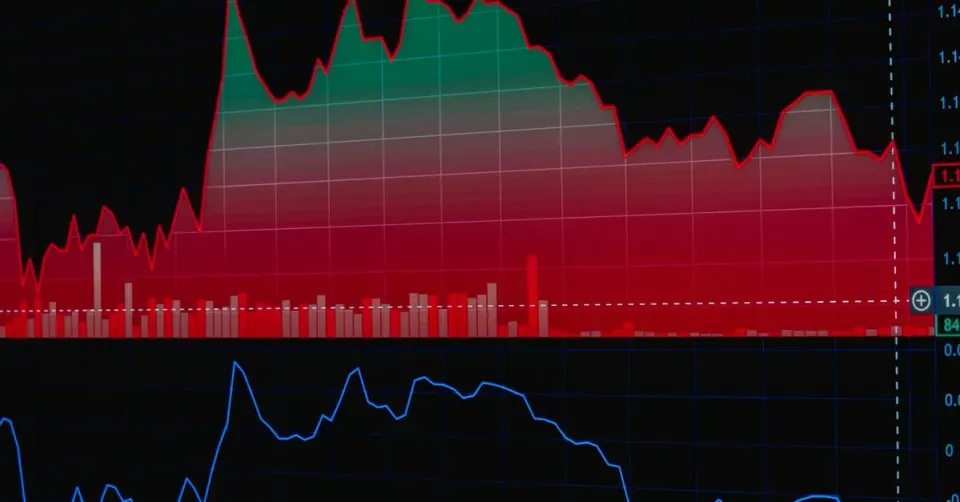
In the financial markets, the mood remains defensive. Gold has emerged as the primary beneficiary of global instability, with the 18k gram price in Tehran rising by 1.3% to reach 25,762,962 Toman, while the international ounce price holds strong at $4,107.60. This surge is mirrored by warnings from UN climate negotiators at Cop31 in Turkey, who described high fossil fuel prices as a "cancer" spreading inflation across the globe. As energy costs remain elevated and liquefied natural gas (LNG) markets face a winter of extreme uncertainty, investors are increasingly fleeing to safe-haven assets to protect their purchasing power against a backdrop of persistent consumer price hikes.
In the domestic Iranian market, the currency showed a slight correction. The USD sell rate moved from 265,500 to 264,200 Toman, a modest decrease of 0.5%. However, this minor strengthening of the Toman is overshadowed by the broader inflationary pressures seen in the gold and coin sectors. With the Federal Reserve expected to keep interest rates high to combat stubborn U.S. inflation, the global cost of borrowing is unlikely to drop before the end of the year. This high-rate environment, combined with the geopolitical shocks in Europe and the tech sector, suggests a volatile closing quarter for 2026, where liquidity will remain tight and risk appetite low.

Cultural and Legal Reckonings: From UK Politics to Southwark Crown Court
Beyond the markets, a series of high-profile legal decisions are shaping the social landscape. In the United Kingdom, Glenn Gibbins, a councillor for the Reform UK party, was handed a community order for racist comments made on social media. The court’s decision to sentence him to 150 hours of unpaid work highlights the increasing legal scrutiny of online hate speech and the internal tensions within Britain's rising right-wing movements. Simultaneously, the Home Office faces criticism over its "ICE-style" immigration raids, with data revealing that two-thirds of these operations result in no arrests, leading to accusations of wasteful and politically motivated "fishing expeditions."
Perhaps the most significant cultural headline of the hour is the sentencing of disgraced entertainer Russell Brand. A London court has sentenced Brand to 10.5 years in prison for rape and sexual assault following a high-profile trial. This verdict marks a definitive end to the career of a figure who once dominated both the entertainment and alternative political spheres. For the public, these cases collectively represent a period of intense accountability, where both political figures and celebrities are being held to the letter of the law, reflecting a broader societal demand for transparency and justice in an era of deep institutional distrust.
Frequently Asked Questions
Why is France accusing Iran of a cyberattack on supermarkets?
What happened to Nvidia's stock price today?
How did the Iranian gold market react to global news?
What was the legal outcome for Russell Brand?
Understanding Economic Sanctions: A Geopolitical Tool
Economic sanctions are a powerful and frequently employed tool in international relations, used by countries or multilateral organizations to influence the behavior of other states, non-state actors, or individuals. At their core, sanctions aim to achieve specific foreign policy objectives without resorting to military force. These objectives can range from deterring aggression, countering terrorism, promoting human rights, or preventing nuclear proliferation, as seen in the context of international pressures on Iran regarding its nuclear program and alleged cyber activities. By imposing economic costs, the sanctioning body seeks to compel the target to change its policies or actions.
Sanctions come in various forms, each designed to exert pressure differently. Common types include trade embargoes, which restrict imports and exports; asset freezes, which block access to financial resources; travel bans on specific individuals; and financial sanctions, which limit access to international banking systems. More targeted sanctions might focus on specific sectors, such as energy, finance, or technology, aiming to disrupt key revenue streams or strategic capabilities. For instance, restrictions on Iran's oil exports or its access to the global financial system are classic examples of such measures, directly impacting the nation's economy and, consequently, its currency's exchange rate or the price of commodities like gold within its borders.
While intended to be a non-military means of coercion, economic sanctions are a subject of extensive debate regarding their effectiveness and ethical implications. Proponents argue they can be a vital instrument for upholding international norms and preventing conflicts. Critics, however, point to their potential for unintended consequences, including humanitarian crises, the disproportionate impact on ordinary citizens rather than ruling elites, and the fostering of black markets. Furthermore, sanctions can sometimes push target nations towards greater self-sufficiency or closer ties with other non-sanctioning states, potentially undermining the original intent. The ongoing discourse around sanctions on Iran highlights these complex trade-offs between geopolitical objectives and the broader economic and social ramifications.
Topics
Related Articles