Nvidia’s AI Empire Shaken by Spy Scandal as French Police Brutality Trial Reopens Deep Social Wounds
زلزله در امپراتوری انویدیا با رسوایی جاسوسی؛ دادگاه جنجالی پلیس فرانسه زخمهای اجتماعی را باز کرد
Nvidia shares tumble following a high-stakes investigation into CEO Jensen Huang's alleged ties to Chinese intelligence, while a landmark trial in France tests the accountability of state power. Meanwhile, gold prices in Iran climb 1.3% as global energy costs hit four-year highs.
At time of publishing
USD
263,900
Toman
Gold 18K
25.76M
Toman / gram
Bitcoin
$74,888
US Dollar
Tether
264,395
Toman
The Trial of Michel Zecler: A Test for French Justice
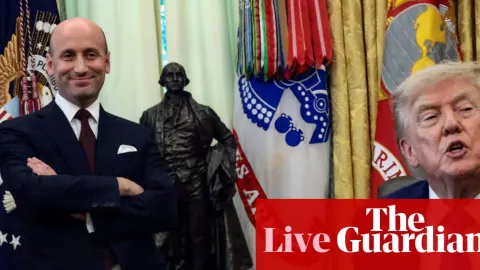
On Monday, November 9, 2026, the French judicial system began one of its most high-profile trials in recent years. Three police officers are facing judgment for the 2020 assault on Michel Zecler, a Black music producer who was brutally beaten in his own studio. The officers initially claimed Zecler was not wearing a Covid-19 mask, but leaked security footage told a different story, showing a sustained physical assault that shocked the nation. This case is not merely about an individual incident; it represents a rare moment where police brutality actually reaches the courtroom in a country where such violence is often dismissed as isolated behavior.
For the Iranian reader, this trial serves as a significant case study in how democratic institutions manage internal crises of authority. While the French government has often faced criticism for its handling of social unrest, the fact that this case has proceeded to a full trial highlights the role of independent media and video evidence in holding state actors accountable. The outcome of this trial is expected to influence future legislation regarding police powers and the rights of citizens to film law enforcement, a topic that remains deeply relevant to global discussions on human rights and state overreach.

Nvidia’s $4.5 Trillion Crisis: Spying Allegations and Market Turmoil
The technology world was rocked this hour as Nvidia, the undisputed leader of the AI revolution, saw its shares tumble following an internal probe into CEO Jensen Huang. Reports suggest that Huang had a close relationship with a Chinese businesswoman, Alice Huang, who is suspected by US intelligence of passing sensitive information to Beijing. While Jensen Huang has admitted to an extramarital affair, he has categorically denied compromising the company’s security or technological secrets. Nevertheless, the mere suggestion of a security breach at a firm central to global AI infrastructure has sent shockwaves through the Nasdaq and international markets.
This scandal comes at a precarious time for the tech sector, which is already navigating a complex "tech cold war" between Washington and Beijing. If the investigation reveals any leak of proprietary chip architecture or AI algorithms, the consequences for Nvidia’s $4.5 trillion valuation could be catastrophic. For investors in Iran and elsewhere, this volatility highlights the fragility of even the most dominant tech giants when caught in the crosshairs of geopolitical espionage. The situation has already impacted broader market sentiment, contributing to a cautious atmosphere where safe-haven assets like gold are seeing increased demand.

Europe’s Energy Crunch and the COP31 Climate Summit
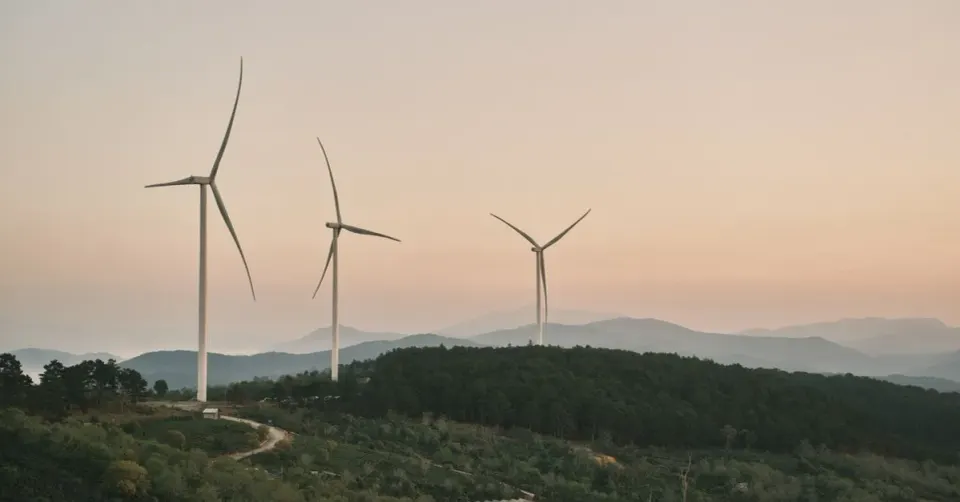
As the COP31 climate summit opens in Antalya, Turkey, Europe is facing a harsh reminder of the challenges inherent in the green energy transition. Electricity prices across the UK, Germany, and France have surged to their highest levels since the 2022 energy crisis. This spike is largely attributed to a weather phenomenon known as "dunkelflaute"—a period of still, cloudy weather that has caused wind and solar power generation to plummet. With renewable output failing to meet demand, these nations have been forced to rely on expensive natural gas and coal, driving peak evening prices to record highs.
This energy reality check provides a sobering backdrop for the UN leaders meeting in Turkey, who are pushing for even faster climate action. The host nation, Turkey, is expected to launch an ambitious initiative to electrify a third of the world economy, but the current crisis in Europe highlights the need for more resilient energy storage and diverse power grids. For the Iranian economy, which is currently showcasing its own industrial achievements at the 26th International Electricity Exhibition in Tehran, these global trends underscore the strategic importance of energy infrastructure and the potential for regional energy diplomacy in an increasingly volatile global market.
Domestic Market Reaction: Gold Gains as USD Retreats
In the Iranian domestic market, the 24-hour period ending Monday evening saw a notable divergence between currency and precious metals. The US Dollar (USD/IRR) experienced a slight cooling, moving from 265,500 to 263,900, representing a -0.6% decrease. This minor retreat in the dollar provides some temporary relief for importers, though the market remains sensitive to the broader geopolitical tensions in the Strait of Hormuz and the ongoing fallout from the Nvidia scandal which has rattled global risk appetite.
Conversely, gold has continued its upward trajectory as a preferred hedge against uncertainty. The price of 18k gold per gram rose from 25,444,388 to 25,762,962, a gain of +1.3%. The Emami coin remained stable at 259,000,000 Toman, showing no change (0.0%) over the last 24 hours. This rise in gold prices reflects a broader global trend where investors are moving away from volatile tech stocks and toward tangible assets, especially as energy prices and geopolitical risks continue to dominate the headlines.
Frequently Asked Questions
چرا اتهام جاسوسی علیه مدیرعامل انویدیا برای بازارها مهم است؟
دلیل اصلی افزایش قیمت طلا در ایران با وجود کاهش قیمت دلار چیست؟
بحران انرژی اروپا چه تاثیری بر بازارها دارد؟
Understanding Technological Sovereignty in a Connected World
In an increasingly interconnected yet competitive world, the concept of Technological Sovereignty has emerged as a critical concern for nations. At its core, technological sovereignty refers to a country's ability to develop, control, and use its own technology and digital infrastructure without undue external influence or dependence. This isn't just about having local companies; it's about ensuring that a nation can autonomously manage its technological destiny, from the foundational research and development to the manufacturing and deployment of critical systems.
The drive for technological sovereignty stems from several strategic imperatives. Firstly, national security is paramount; reliance on foreign technology for defense, intelligence, or critical infrastructure (like energy grids or communication networks) can create vulnerabilities. Secondly, economic competitiveness is a major factor, as control over cutting-edge technologies like artificial intelligence (AI) and advanced semiconductors is seen as a key determinant of future economic power and innovation. Data privacy and control also play a significant role, as nations seek to protect their citizens' information from foreign access or manipulation.
This pursuit manifests in various ways, including massive state investments in domestic research and development, efforts to build resilient supply chains, and policies aimed at fostering local tech champions. The current global landscape, often characterized as an "AI Tech War," underscores this competition, where nations vie for dominance in areas like chip manufacturing, quantum computing, and AI algorithms. Allegations of corporate espionage or intellectual property theft, such as those alluded to in the headline, are often symptoms of this intense geopolitical struggle for technological advantage.
While complete technological independence is challenging in a globally integrated economy, the emphasis on sovereignty reflects a strategic shift towards reducing critical dependencies and safeguarding national interests in the digital age. Understanding this concept helps explain many contemporary geopolitical and economic tensions, from trade disputes over technology to national initiatives aimed at fostering domestic innovation.
Topics
Related Articles