AI Workforce Revolution Looms as Businesses Lag; G7 Grapples with Global Crises
انقلاب نیروی کار با هوش مصنوعی در راه است؛ جی۷ درگیر بحرانهای جهانی
Businesses are rushing to adopt AI-powered robots, but strategic implementation lags, posing workforce challenges. Meanwhile, G7 leaders convene in Paris to address escalating global crises, with significant disagreements over approaches to conflicts involving Iran and Ukraine.
At time of publishing
USD
257,000
Toman
Gold 18K
25.76M
Toman / gram
Bitcoin
$72,990
US Dollar
Tether
252,716
Toman
The AI Robot Revolution: Businesses Unprepared for an Automated Workforce
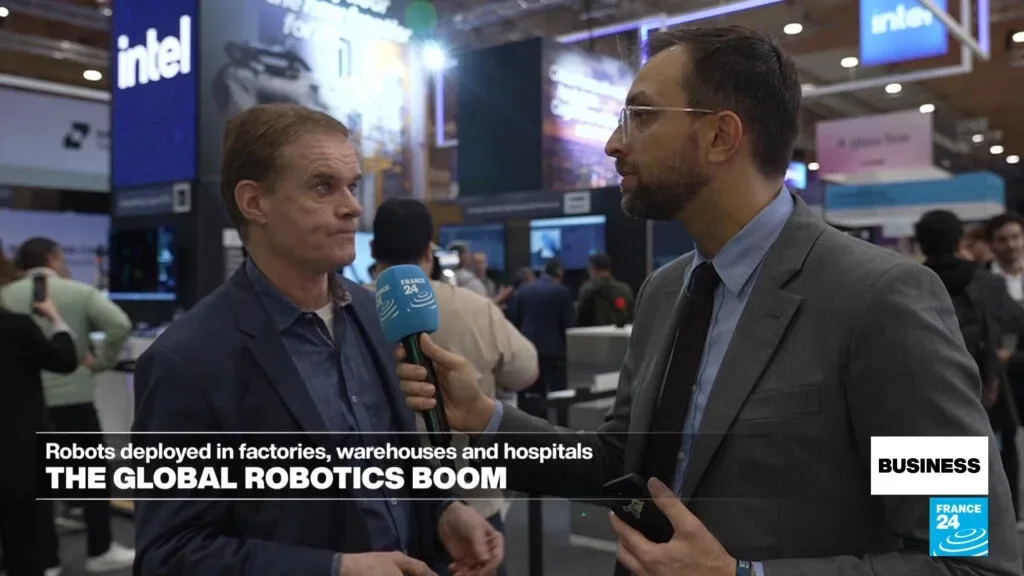
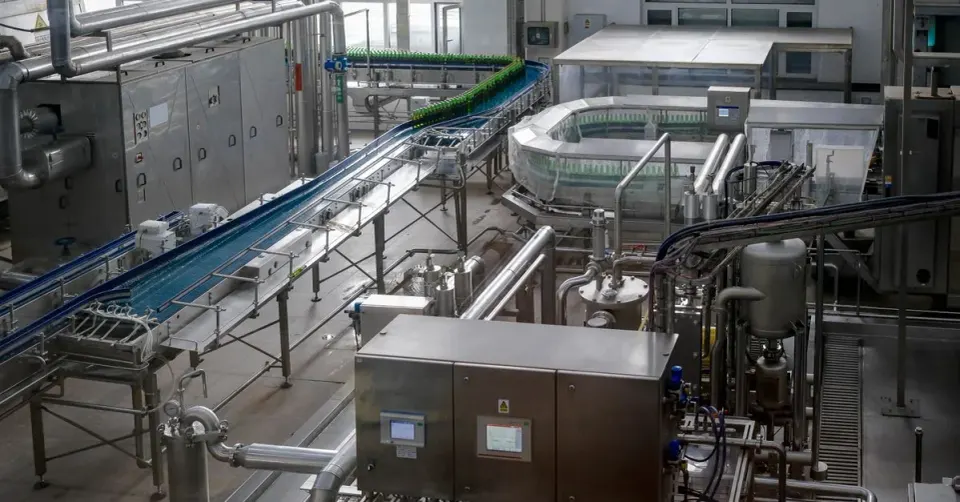
Businesses worldwide are accelerating their adoption of AI-powered robotics, envisioning a future where automated systems handle a significant portion of labor. Intel's VP of Robotics and Industrial Solutions, John Healy, highlighted this trend, noting that while executives anticipate deploying robot fleets, a clear strategic roadmap for integration is often missing. This gap between enthusiasm and execution presents a significant challenge, potentially leading to inefficient deployment, employee displacement, and missed opportunities for productivity gains. The rapid advancement of AI means machines are becoming increasingly capable and autonomous, blurring the lines between human and machine roles across various industries.
This burgeoning robot revolution has direct implications for the global workforce and economic structures. For Iran, this could translate into an intensified focus on high-tech sectors, potentially diverting resources or creating new export opportunities, but also raising concerns about job security for traditional industries. The disparity in readiness between developed and developing economies to integrate such advanced technologies could widen existing economic divides. Furthermore, as businesses grapple with the ethical and practical considerations of an AI-powered workforce, governments will face pressure to adapt labor laws, retraining programs, and social safety nets to accommodate this transformative shift. The race to harness AI's potential is on, but the path forward requires careful planning and a proactive approach to workforce adaptation.
---
G7 Summit: Deep Divisions Emerge Over Global Crises
Diplomats from the Group of Seven (G7) industrialized nations have convened in Paris amid significant global instability, revealing stark differences in their approaches to pressing international issues. The gathering, marked by uncertainty surrounding U.S. foreign policy under President Trump following midterm election losses, has exposed fault lines on critical matters including the war in Ukraine, the complex situation with Iran, and the role of the International Criminal Court. These divergent views raise questions about the G7's ability to forge a unified response to escalating geopolitical tensions.
U.S. Secretary of State Marco Rubio's press conference following the G7 meeting offered a glimpse into these divisions. Rubio indicated that major combat operations against Iran were deemed unnecessary, citing the effectiveness of economic restrictions – a stance that may not align with the priorities of all G7 members. He also characterized U.S.-mediated talks between Russia and Ukraine in Abu Dhabi as productive, suggesting an expansion to include European participation. However, the underlying disagreements, particularly concerning Iran and broader geopolitical strategies, suggest that consensus-building will be a formidable challenge throughout the summit. For Iran, the G7's deliberations, especially regarding sanctions and diplomatic engagement, directly impact its regional standing and economic outlook.
---
Markets React to Inflation Data and Geopolitical Uncertainty
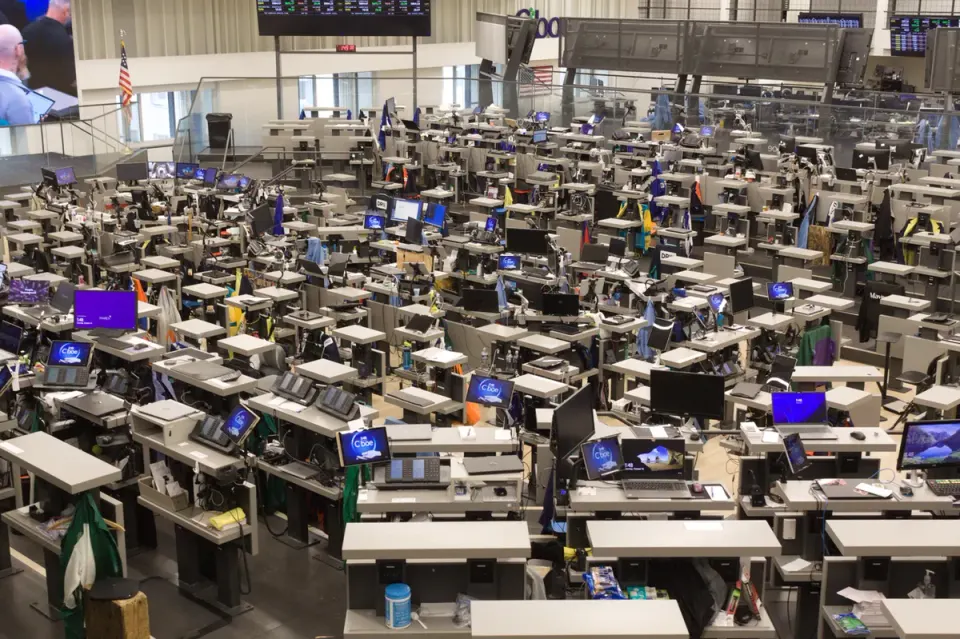
Global financial markets are experiencing volatility as investors digest a concerning U.S. inflation report and the ongoing geopolitical uncertainties stemming from the G7 summit and tensions involving Iran. The U.S. 10-year Treasury yield has climbed back near 5%, and stock markets have shown a downward trend following inflation data that exceeded forecasts. This has led traders to anticipate a potential quarter-point interest rate hike by the Federal Reserve in December, adding another layer of pressure on equities. The cryptocurrency market, particularly Bitcoin, has also felt the impact, dipping to near 11-week lows as risk appetite wanes.
This market turbulence has tangible consequences for Iranian readers. The strengthening USD/IRR exchange rate, which saw the dollar rise from 264,200 to 257,000 Toman (-2.7%) over the last 24 hours, reflects global risk aversion and may signal further pressure on the local currency. Similarly, the Emami coin price has fallen by 1.9% to 254,000,000 Toman, indicating a broader trend of declining asset values. The uncertainty surrounding international relations, particularly concerning Iran's role in global energy markets and the potential for renewed or intensified sanctions, contributes to this cautious market sentiment. Investors are weighing the prospect of continued high interest rates against the backdrop of a fragile global economic outlook, making strategic asset allocation a critical concern for individuals and institutions alike.
---
Iran's IRGC Boosts Missile Capabilities Amidst International Scrutiny
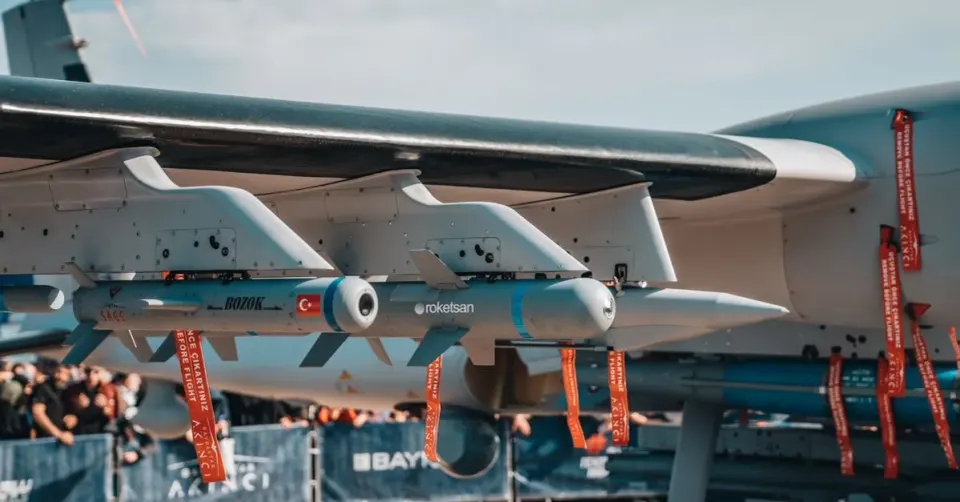
Iran's Islamic Revolution Guards Corps (IRGC) Aerospace Force has unveiled a new strategic missile city, showcasing advancements in its missile program. This development, reported by state media outlet IRNA, includes the display of various advanced missiles. The move comes at a time of heightened international scrutiny, with the G7 summit in Paris addressing global crises, including those involving Iran. Tehran has also strongly rejected allegations of cyberattacks leveled by the French government, labeling them as 'baseless and malicious.'
This unveiling of new missile capabilities by the IRGC occurs against a backdrop of significant geopolitical maneuvering. The U.S. Secretary of State's comments about the effectiveness of economic restrictions on Iran, while downplaying the need for direct military action, highlight the ongoing strategic focus on Tehran. The IRGC's display of advanced weaponry serves as a clear signal of its continued development and readiness, potentially influencing regional power dynamics and international diplomatic calculations. For Iran, such developments are often framed domestically as a sign of strength and resilience against external pressures, while internationally they contribute to the complex web of concerns that leaders at forums like the G7 are attempting to navigate. The juxtaposition of Iran's defensive and offensive capabilities with ongoing diplomatic dialogues underscores the persistent tensions in the region.
Watch
REPLAY: US Secretary of State Rubio holds press conference after G7 meeting • FRANCE 24 English
FRANCE 24 English
Frequently Asked Questions
How is the AI robot boom expected to affect the global workforce?
What are the main points of contention at the G7 summit in Paris?
How has the US inflation report impacted financial markets?
What is the significance of Iran's IRGC unveiling a new missile city?
How have currency and gold prices in Iran been affected by recent events?
Geopolitical Risk and its Economic Impact
Geopolitical risk refers to the potential for political events, conflicts, or instability between nations to disrupt global markets and economic activity. It encompasses a broad spectrum of factors, from armed conflicts and international sanctions to trade disputes, cyber warfare, and political leadership changes. Unlike traditional economic risks, geopolitical risks are often sudden, unpredictable, and can have far-reaching, non-linear consequences across various sectors and regions.
The economic reverberations of geopolitical risk are profound. For instance, tensions involving key energy producers, such as those related to Iran and missile developments, can directly impact global oil and gas prices, leading to inflationary pressures worldwide. Disruptions to vital shipping lanes or supply chains due to regional conflicts can increase production costs and create shortages, further fueling inflation and dampening economic growth. Moreover, investor confidence can plummet during periods of heightened geopolitical uncertainty, causing market volatility, capital flight, and reduced foreign direct investment.
In today's interconnected global economy, geopolitical risks are amplified. A crisis in one region can quickly cascade through international trade, finance, and commodity markets, affecting countries far removed from the initial event. This interconnectedness is why forums like the G7 summit frequently dedicate significant attention to geopolitical issues. These gatherings aim to coordinate diplomatic responses, impose sanctions, provide aid, or formulate strategies to mitigate the economic fallout from global crises, striving to maintain a semblance of stability in an increasingly volatile world.
Understanding geopolitical risk is crucial for businesses, investors, and policymakers alike. It requires not only monitoring political developments but also anticipating their potential economic ripple effects. While technological advancements like AI and robotics promise to reshape the workforce and boost productivity, their implementation and benefits can be severely hampered or redirected by the overarching shadow of geopolitical instability, emphasizing the complex interplay between technological progress and global security.
Topics
Related Articles