Toman Gains Ground as Caspian Diplomacy and Abu Dhabi Peace Talks Reshape Market Sentiment
بازگشت دلار به کانال ۲۵۸ هزار تومان؛ دیپلماسی خزر و مذاکرات صلح ابوظبی بازار را آرام کرد
The Iranian Toman strengthened by 2.3% as high-level meetings between Iran and Russia, combined with substantive peace talks in Abu Dhabi, reduced regional risk premiums. Meanwhile, Tehran dismisses French cyberattack claims as 'ridiculous' amidst a global AI espionage scandal involving Nvidia.
At time of publishing
USD
258,000
Toman
Gold 18K
25.76M
Toman / gram
Bitcoin
$73,350
US Dollar
Tether
254,793
Toman
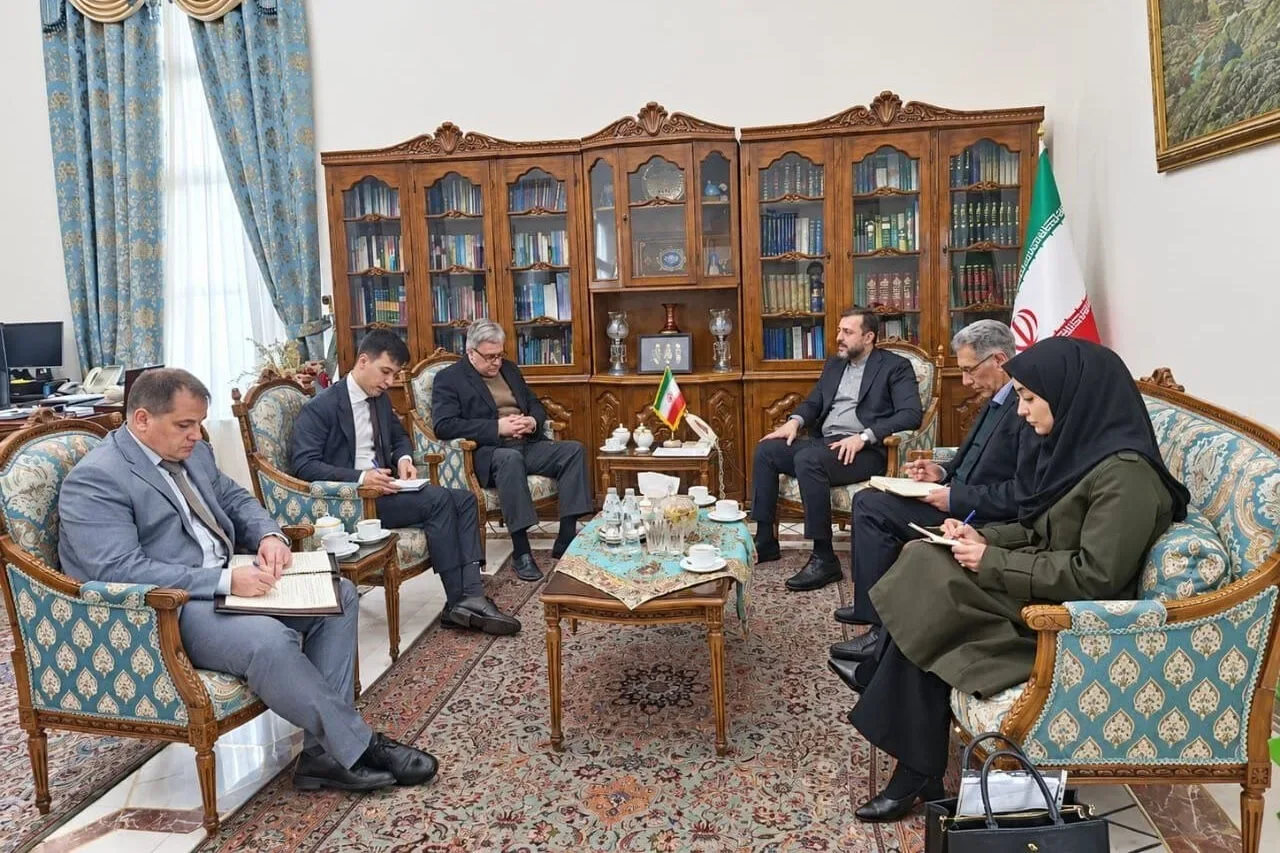
Caspian Shield: Iran and Russia Coordinate Against US Pressure
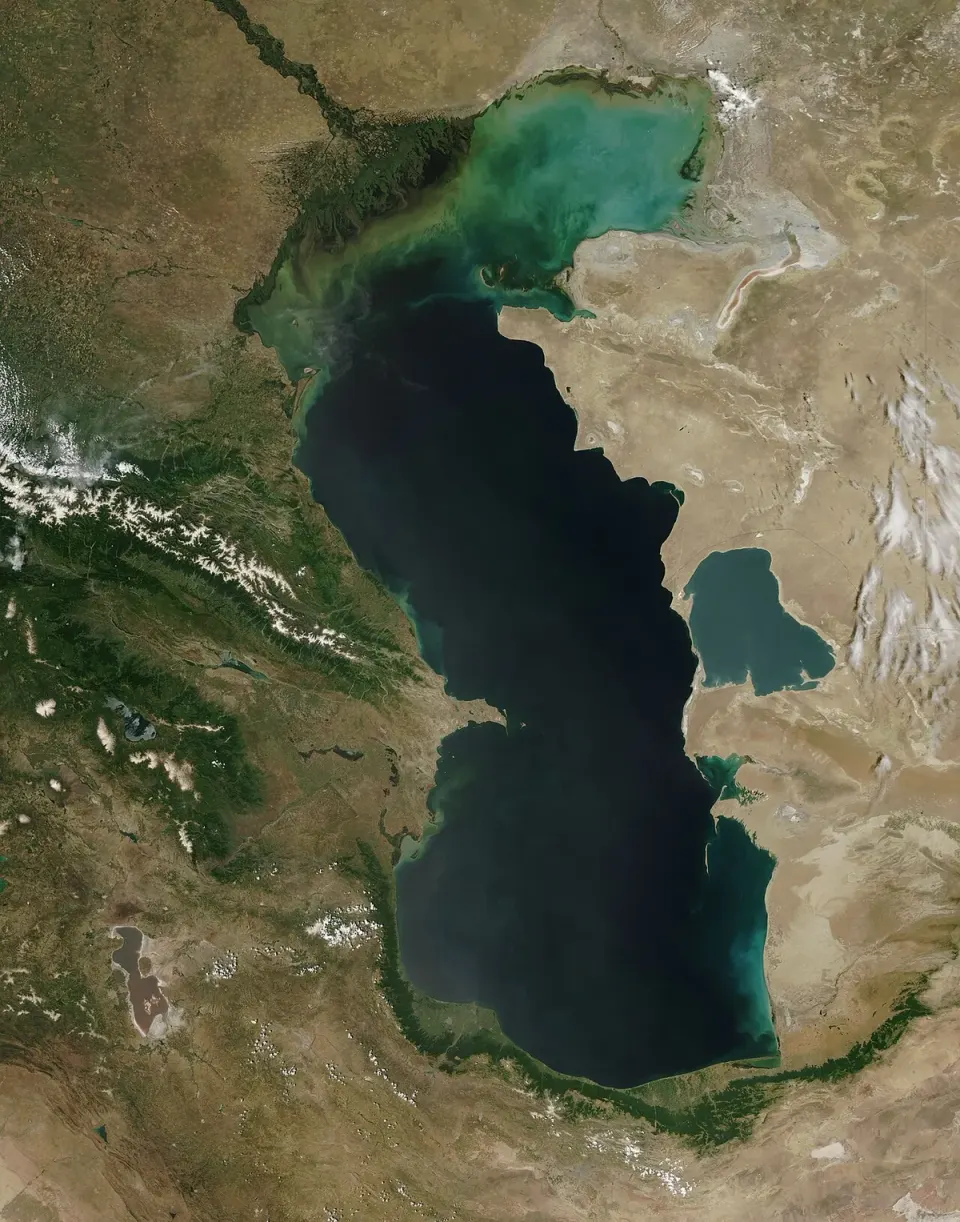
Iranian Deputy Foreign Minister Kazem Gharibabadi’s meeting with the Russian ambassador in Tehran marks a strategic pivot as the two nations attempt to formalize a unified front in the Caspian Sea. The discussions centered on countering "unilateral US actions," a term often used to describe sanctions and maritime restrictions that hinder trade in the resource-rich region. By strengthening ties with Moscow, Tehran aims to secure its northern trade routes and ensure that the Caspian remains a zone beyond the reach of Western naval or economic interference. This alignment is particularly critical as Iran seeks to diversify its export corridors away from traditional routes that are more susceptible to Western monitoring.
This diplomatic move comes at a critical juncture for Iran’s economy. As the Strait of Hormuz remains a flashpoint for international tension, the Caspian Sea represents a vital alternative for energy exports and logistical transit. For the average Iranian, these high-level talks are more than just geopolitics; they signal the government's attempt to find "sanction-proof" corridors that could eventually stabilize the national currency by securing consistent trade flows with Eurasian partners. The success of these northern corridors could provide a necessary buffer against the volatility of the Persian Gulf shipping lanes.
The "Cyber Fridge" Spat: Tehran Dismisses French Allegations
The diplomatic rift between Tehran and Paris has taken a bizarre turn, with Foreign Minister Abbas Araghchi publicly mocking French claims of an Iranian cyberattack targeting domestic appliances, specifically refrigerators. Araghchi dismissed the allegations as "ridiculous," suggesting that the French government is using Iran as a scapegoat to deflect from its own internal inadequacies. This exchange highlights the deteriorating relationship between Iran and the European Union, which has moved from nuclear negotiations to accusations of low-level digital sabotage. The tone of the response indicates a hardening of Tehran's stance toward European mediators.
While the idea of "hacked fridges" might seem trivial, the underlying tension is significant. France and its allies have been tightening the digital noose around Iranian entities, and such accusations often precede more formal sanctions on Iran's technology and telecommunications sectors. For the Iranian public, this escalation suggests that the path toward a "thaw" in relations with the West remains frozen, likely keeping the risk premium on foreign exchange high despite temporary market dips. The rhetoric from both sides suggests that any potential for a grand bargain is being replaced by petty diplomatic friction.
Toman Recovers as Abu Dhabi Peace Talks Soften Market Fear
In the domestic markets, the Toman showed unexpected resilience today, Tuesday, November 10, 2026. The USD sell rate dropped from 264,200 to 258,000, representing a 2.3% appreciation in just 24 hours. This shift is largely attributed to the start of substantive peace talks in Abu Dhabi between US and Russian officials regarding the Ukraine conflict. Markets generally interpret any sign of major power de-escalation as a reduction in the "war risk" that has plagued the Middle East, leading to a slight cooling of the dollar's frantic climb. Investors are moving away from the extreme panic buying seen in previous sessions.
Additionally, the gold market mirrored this cautious optimism. The Emami coin fell 1.9%, moving from 259,000,000 to 254,000,000 Toman. While the global gold price remains historically high at over $4,030 per ounce, the local "bubble" in Iran is shrinking as speculative demand for safe-haven assets eases. However, investors should remain wary; with US midterm election results creating a potential legislative gridlock for the Trump administration, the long-term direction of the Toman remains tethered to the outcome of these regional diplomatic marathons. Iraq's efforts to bypass the Strait of Hormuz via the Red Sea also suggest a structural shift in regional energy transit that could impact Iran's leverage.
AI Espionage and the Shifting Tech Landscape
The global technology sector is currently reeling from allegations of espionage surrounding Nvidia CEO Jensen Huang. As the US maintains its lead in the AI race, reports suggest that Huang and Nvidia have become primary targets for foreign intelligence, leading to internal turmoil that has seen the company's stock face unprecedented volatility. This instability has allowed competitors like AMD to briefly catch the eye of investors, though the market remains divided on whether AMD can capitalize on Nvidia's security distractions to secure lasting gains in the data center market. The security of the AI supply chain has now become a matter of national priority in Washington.
Beyond the corporate drama, the AI sector is bracing for the massive IPO of Anthropic, the maker of the Claude chatbot. Despite warnings of "catastrophic" risks associated with advanced AI, the company is seeking a valuation that could reach $1.3 trillion. For the global economy, this massive influx of capital into AI suggests that the tech-driven inflation era is far from over. As AI agents become more integrated into business—with OpenAI launching new "Business Profiles"—the divide between tech-heavy economies and those reliant on traditional commodities is expected to widen further, creating a new form of digital economic stratification.

Frequently Asked Questions
Why did the US dollar price drop in Iran today?
What was the result of the Iran-Russia meeting in Tehran?
What is the 'fridge' cyberattack controversy mentioned by Araghchi?
How is the Nvidia espionage scandal affecting global markets?
How Exchange Rate Regimes Shape Currency Movements in Turbulent Times
Exchange rates are the price of one currency expressed in terms of another, and they are governed by the exchange‑rate regime a country adopts. In a fixed (or pegged) regime, the central bank commits to keeping the domestic currency at a set level against a foreign anchor—often the US dollar—by buying or selling foreign reserves. In a floating regime, the market determines the rate, with the central bank intervening only to smooth extreme volatility. Many countries, including Iran, operate a managed float where the official rate is set by the government while a parallel market reflects supply‑and‑demand dynamics.
When geopolitical events such as the Caspian Sea diplomacy or Abu Dhabi peace talks signal a possible easing of sanctions or improved regional stability, investors reassess risk premiums on the affected currency. Positive diplomatic signals can boost confidence, prompting capital inflows and a stronger Toman (or rial) against the USD. Conversely, scandals like the Nvidia espionage case can spook technology‑heavy markets, indirectly affecting emerging‑market currencies that are sensitive to global risk sentiment.
Iran’s currency market illustrates these mechanisms vividly. The official USD/IRR rate is set by the Central Bank, but a robust black‑market rate often diverges sharply, reflecting real scarcity of foreign dollars and sanctions‑driven constraints. When the government announces diplomatic breakthroughs—such as renewed talks over Caspian energy projects or peace negotiations in Abu Dhabi—official statements may lead to a temporary narrowing of the official‑black‑market spread, as traders anticipate future easing of trade barriers and a potential inflow of foreign currency.
Understanding exchange‑rate regimes helps investors and policymakers gauge how much of a currency’s movement is driven by fundamentals (inflation, trade balances) versus sentiment (political news, market psychology). In managed floats, even modest diplomatic wins can produce outsized moves because the official rate is deliberately adjusted to signal confidence, while the parallel market reacts to the same news with its own speed.
For anyone watching the Toman’s recent gains, the key takeaway is that currency values are not just numbers; they are a barometer of how a nation’s political and economic narrative is being interpreted by the world. By tracking exchange‑rate regime choices and the geopolitical headlines that sway sentiment, you can better anticipate the next swing in the market.
Topics
Related Articles