
Pezeshkian Politicizes Climate at COP31; Bitcoin Slides Below $74k as US Inflation Fears Resurface
دیپلماسی محیطزیستی پزشکیان در ترکیه؛ ریزش بیتکوین به زیر ۷۴ هزار دلار در پی هراس از تورم آمریکا
President Pezeshkian arrives in Turkey for COP31, blaming Western aggression for regional environmental decay, while global markets reel from hot CPI data that sent Bitcoin tumbling.
At time of publishing
USD
257,700
Toman
Gold 18K
25.76M
Toman / gram
Bitcoin
$73,790
US Dollar
Tether
252,971
Toman
Pezeshkian’s Climate Diplomacy: Environment as a Geopolitical Tool
President Masoud Pezeshkian arrived in Turkey today, Wednesday, November 11, 2026, to attend the 31st United Nations Climate Change Conference (COP31). While the summit is ostensibly about global carbon targets and green transitions, the Iranian delegation has made it clear that their agenda is heavily focused on the geopolitical intersections of conflict and ecology. Pezeshkian announced upon arrival that he intends to highlight the environmental damage caused by United States and Israeli military actions in the Middle East. This narrative seeks to shift the international focus from Iran's own domestic environmental failures—such as chronic water mismanagement and severe air pollution—toward the external costs of regional instability.
This move coincides with statements from Gholamhossein Darzi, Iran’s UN envoy, who criticized the Security Council for what he termed "double standards." Darzi questioned why Western powers focus on the absence of nuclear inspectors in Iran while remaining silent about Israel’s nuclear capabilities. By linking environmental degradation to military aggression at COP31, the Pezeshkian administration is attempting to build a regional coalition of "aggrieved" nations, framing the West as not only a political adversary but also an ecological one. For the average Iranian, however, these high-level diplomatic maneuvers offer little immediate relief from the rising cost of energy or the recurring dust storms that plague the western provinces.

Bitcoin Retreats as Hot Inflation Data Rattles Investors
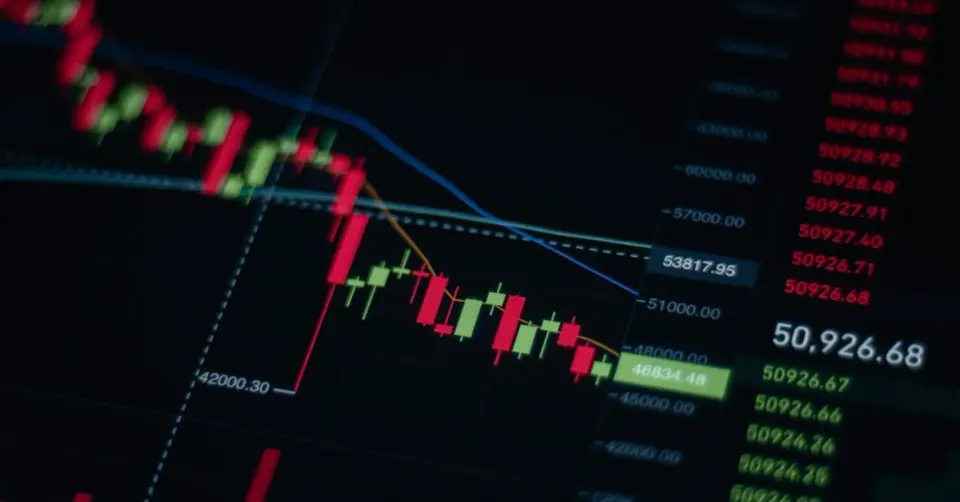
The global financial landscape shifted significantly this hour as Bitcoin (BTC) fell below the $74,000 threshold, currently trading near $73,790. This downward pressure followed the release of US Consumer Price Index (CPI) data that came in higher than analysts expected. The "hot" inflation report has immediately spurred bets that the Federal Reserve may be forced to maintain higher interest rates for longer, or even consider further hikes, dampening the appeal of risk-on assets like cryptocurrencies. The crypto market, which had been riding a wave of optimism, is now facing a reality check as liquidity concerns resurface.
In the domestic Iranian market, the reaction has been relatively muted but visible. The USD sell rate in Tehran moved slightly from 258,000 to 257,700 Toman, a minor decline of 0.1%. Meanwhile, the Emami gold coin saw a more pronounced drop, falling from 254,000,000 to 253,000,000 Toman (-0.4%). This suggests that while global volatility is rising, the local market is currently in a state of cautious observation, waiting to see if the Bitcoin slide is a temporary correction or the start of a broader deleveraging event. Investors are advised to watch the $72,500 support level for BTC, as a breach there could trigger a more significant liquidation cascade.
Global Economic Cracks: Australian Housing and the Energy Shift
Beyond the crypto and climate headlines, significant cracks are appearing in the global property market. In Australia, new lending to property investors has fallen at its fastest pace on record during the quarter ending in September. The Commonwealth Bank of Australia (CBA) reported that mortgage stress has reached a 12-year high, with more households struggling to meet repayments amid high interest rates and plunging property prices. This is a stark reminder that the era of cheap credit is firmly over, and the lag effect of aggressive central bank tightening is finally hitting the real economy. For global investors, the Australian situation serves as a canary in the coal mine for other over-leveraged housing markets, including parts of Europe and North America.
Simultaneously, the energy sector is seeing a historic realignment. Poland’s state-owned energy firm, Orlen, has become the first long-term client to cancel a major LNG supply contract with QatarEnergy. Citing a continued force majeure on exports, the cancellation of the 1-million-ton annual deal marks a significant pivot in European energy security. As Poland looks for alternative suppliers, likely in North America or via expanded Baltic infrastructure, the influence of Middle Eastern gas giants is being tested. This shift underscores a broader trend where geopolitical reliability is becoming as important as price in the global energy trade, a development that Iran, currently struggling to modernize its own gas infrastructure under sanctions, will be watching with extreme concern.

The Bottom Line for the Iranian Market
As of 11:00 Tehran time on چهارشنبه ۲۰ آبان ۱۴۰۵, the convergence of Pezeshkian’s diplomatic push in Turkey and the global market volatility creates a complex backdrop for local traders. While the slight dip in the USD/IRR rate offers a moment of stability, the underlying pressure from global inflation and the Bitcoin sell-off suggests that risk appetite is waning. Gold prices remain elevated globally at $4,064 per ounce, providing a floor for domestic gold values despite the minor correction in coin prices. The primary takeaway for the hour is one of transition: from the high-growth expectations of the past month to a more defensive posture as inflation proves stickier than hoped.
Frequently Asked Questions
چرا سفر پزشکیان به اجلاس COP31 اهمیت سیاسی دارد؟
علت اصلی سقوط بیتکوین به زیر ۷۴ هزار دلار چه بود؟
لغو قرارداد گاز لهستان با قطر چه پیامی برای بازار انرژی دارد؟
How the Consumer Price Index (CPI) Drives Market Sentiment and Bitcoin Volatility
The Consumer Price Index (CPI) is the most widely watched gauge of inflation. Compiled each month by statistical agencies, it measures the price change of a basket of goods and services that a typical household buys – from food and housing to transportation and medical care. When the CPI rises faster than expected, it signals that purchasing power is eroding, prompting central banks such as the U.S. Federal Reserve to consider tightening monetary policy by raising interest rates.
Higher interest rates increase the cost of borrowing and make safe‑haven assets like Treasury bonds more attractive relative to riskier investments. This shift can depress the price of speculative assets, including cryptocurrencies. Bitcoin, which lacks intrinsic cash flow and is highly sensitive to risk appetite, often reacts sharply to CPI surprises. In June 2026, a stronger‑than‑forecast CPI report reignited fears of a Fed rate hike, and Bitcoin slid below $74,000 as investors fled to lower‑risk holdings.
The link between CPI and Bitcoin is not a direct causal chain but rather a reflection of broader market psychology. Inflation data influences expectations about future monetary policy, which in turn shapes the discount rate applied to all assets. When the discount rate rises, the present value of future cash flows – even the speculative future utility of Bitcoin – falls, leading to price drops. Conversely, a softer CPI reading can buoy sentiment, as lower inflation expectations keep rates low and risk appetite high.
Understanding CPI is therefore essential for anyone watching the crypto market or broader financial markets. It provides a real‑time snapshot of inflation pressures, informs central‑bank decisions, and ultimately helps explain why seemingly unrelated assets move together in response to a single piece of economic data.
Topics
Related Articles