
US Treasury Chief Relocates to Military Base Amid Iranian Threats; Tehran Blacklists Argentina’s Military
انتقال وزیر خزانهداری آمریکا به پایگاه نظامی در پی تهدیدات ایران؛ تهران ارتش آرژانتین را تروریست اعلام کرد
US Treasury Secretary Scott Bessent has reportedly moved to a military base following credible threats from Iran, marking a sharp escalation in the shadow war between Washington and Tehran. Meanwhile, Iran has retaliated against Argentina's recent sanctions by designating its entire navy and air force as terrorist organizations.
At time of publishing
USD
258,500
Toman
Gold 18K
25.76M
Toman / gram
Bitcoin
$73,649
US Dollar
Tether
258,445
Toman
The 'Economic Asphyxiation' Architect Under Guard
In an unprecedented security shift for a civilian financial official, US Treasury Secretary Scott Bessent has reportedly relocated his residence from the Washington D.C. area to a secure military base. This move follows what intelligence officials describe as credible threats against his life originating from Iran. Bessent has been the primary architect of the current US administration's 'economic asphyxiation' policy, a strategy designed to completely sever the Islamic Republic’s access to international financial systems. His relocation underscores the extreme volatility of the current geopolitical climate, where financial policy leaders are now finding themselves on the front lines of physical security risks normally reserved for defense and intelligence chiefs.
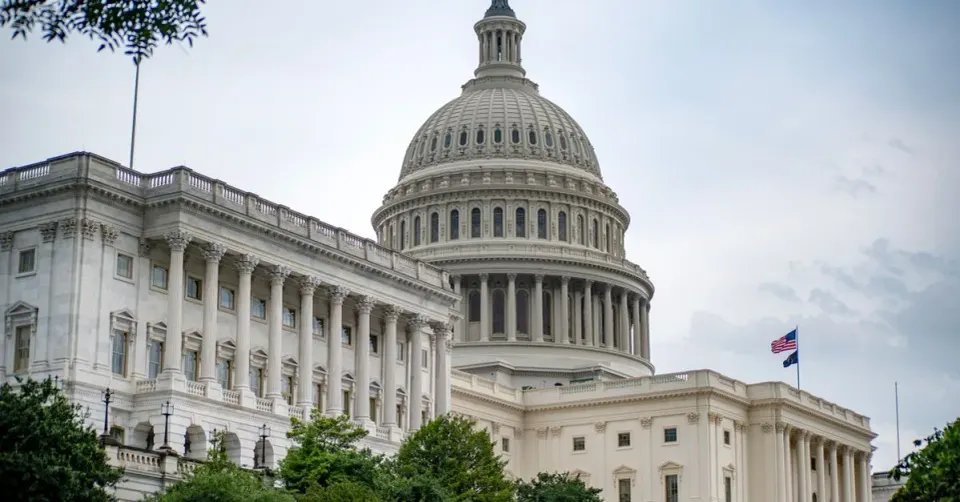
This development is more than just a security headline; it signals a total breakdown in the potential for diplomatic backchannels. By forcing the head of the Treasury into military protection, the threat effectively validates the effectiveness of the sanctions regime in the eyes of Washington hawks, likely leading to even tighter restrictions. For the Iranian economy, this suggests that the 'maximum pressure' environment is not only staying but will likely intensify as Bessent continues to lead the sanctions charge from behind the wire of a military installation. The psychological impact on the markets is already being felt, as the risk premium on regional trade continues to climb.
Tehran’s Reciprocal Fire: Argentina and the Hormuz Incident
Diplomatic relations between Tehran and the West took another sharp turn for the worse this Wednesday, November 11, 2026. The Iranian Foreign Ministry officially designated the navy and air force of Argentina as terrorist organizations. This move is a direct, eye-for-an-eye response to Argentina's earlier decision to blacklist the Islamic Revolutionary Guard Corps (IRGC). While largely symbolic, such designations complicate international maritime cooperation and signal that Iran is willing to extend its diplomatic warfare to any nation that aligns with Washington's security framework. This 'tit-for-tat' diplomacy creates a fragmented international legal landscape where state actors are increasingly treating each other's military branches as criminal entities.

Compounding these tensions, the Iranian Army reported a significant incident east of the Strait of Hormuz involving an oil tanker. According to state media, the vessel—which was allegedly violating navigation restrictions—caught fire after a collision with a sea mine. While the specifics of the 'violation' remain murky, the event has sent ripples through the energy markets. Any kinetic incident near the world’s most vital oil chokepoint reinforces the narrative of high risk, keeping insurance premiums for shipping elevated and ensuring that the regional security apparatus remains on a hair-trigger alert. This combination of diplomatic blacklisting and maritime incidents suggests a coordinated effort to project strength amidst mounting external pressure.
Market Reaction: Toman Under Pressure as Gold Stagnates
In the wake of these escalating security concerns, the Iranian currency market has shown signs of renewed anxiety. The US Dollar (USD) in the Tehran free market rose from 258,000 to 258,500 Toman, a 0.2% increase over the last 24 hours. While the percentage move is modest, the direction reflects a 'flight to safety' among local investors who view the Bessent security news as a harbinger of more aggressive sanctions. The gold market, traditionally a hedge against such volatility, remained oddly flat today, with 18k gold holding steady at 25,762,962 Toman per gram. This stagnation suggests that while there is fear, there is also a liquidity squeeze preventing a massive rally in precious metals.
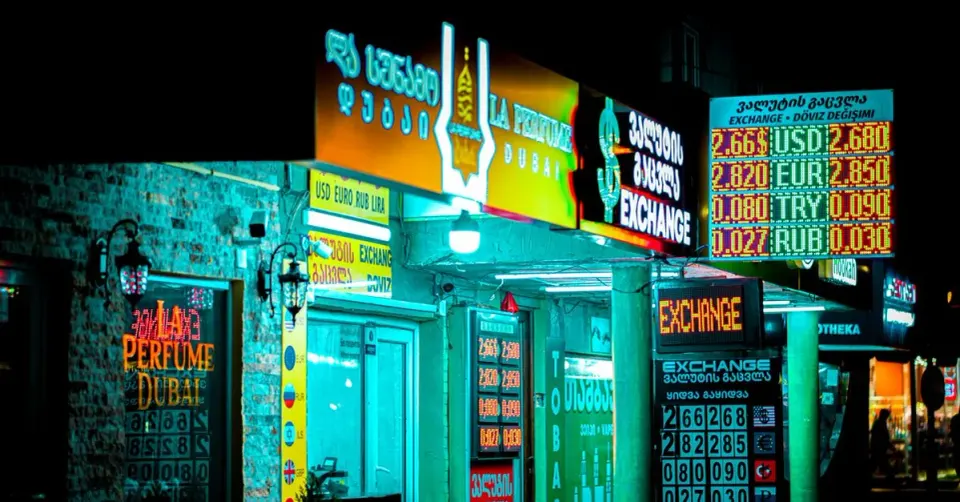
Meanwhile, the coin market saw a slight correction, with the Emami coin dropping from 254,000,000 to 253,500,000 Toman, a decrease of 0.2%. This divergence between the dollar and gold coins can be attributed to profit-taking after recent highs and a cautious approach by traders waiting for more clarity on the US response to the Iranian threats. For the average consumer in Iran, these fluctuations continue to erode purchasing power. The looming threat of 'economic asphyxiation' mentioned by Bessent is no longer a theoretical policy; it is a lived reality reflected in the daily struggle to maintain the value of savings against a backdrop of geopolitical brinkmanship and military-grade security measures for financial regulators.
Global Unrest: Spain’s Housing Strike and the Cost of Living
Beyond the Middle East, the theme of economic instability is manifesting in Western Europe through civil unrest. Millions of Spanish workers have launched a general strike this Wednesday, bringing public transport and major businesses to a standstill. The core of the grievance is a crippling housing crisis and the skyrocketing cost of living, which has become the focal point of the upcoming snap elections. This strike is the largest of its kind in over a decade and signals a growing trend where domestic economic failures are creating political vacuums that far-right movements are eager to fill.
The situation in Spain serves as a reminder that the current global era is defined by a dual-track crisis: geopolitical conflict on one hand and internal economic decay on the other. Just as Iranian citizens grapple with sanctions-induced inflation, European citizens are facing the consequences of post-pandemic structural failures and energy costs. For global markets, this widespread domestic instability in a major Eurozone economy adds another layer of complexity, potentially weakening the Euro and driving more capital toward the US Dollar, despite the security risks surrounding its Treasury chief. The interconnectedness of these events—from a military base in the US to the streets of Madrid—highlights a world in deep transition.
Frequently Asked Questions
Why did Scott Bessent move to a military base?
What is the significance of Iran blacklisting the Argentine military?
How did the Tehran market react to these security escalations?
Understanding Economic Sanctions: A Tool of Geopolitical Pressure
Economic sanctions are a powerful foreign policy tool, often employed by one or more countries against another to compel a change in behavior without resorting to military force. They involve various restrictions, such as limiting trade, freezing financial assets, imposing travel bans, or restricting access to international financial systems. The headline's mention of an "economic asphyxiation policy" accurately describes the intent behind severe sanctions: to exert such immense economic pressure that the target country's economy struggles to function, thereby forcing its leadership to reconsider its policies or actions.
These measures operate through several mechanisms. Trade sanctions might block exports of critical goods or imports of essential resources, disrupting supply chains and domestic industries. Financial sanctions can prevent a country, its entities, or individuals from accessing international banking, making it difficult to conduct business, receive payments, or manage foreign currency reserves. For instance, the impact on the USD/IRR price, as mentioned in the keywords, illustrates how financial isolation can directly affect a nation's currency stability and its ability to engage in global commerce, leading to inflation and economic hardship for its citizens.
While the primary goal of sanctions is to achieve specific policy objectives—like deterring nuclear proliferation, combating terrorism, or upholding human rights—their effectiveness is a subject of ongoing debate. They can indeed inflict significant economic pain, but they also carry risks of unintended consequences. These include humanitarian crises, the rise of black markets, or even strengthening the resolve of the targeted regime and fostering anti-Western sentiment. The decision to impose sanctions, and their subsequent enforcement by bodies like the U.S. Treasury, involves complex geopolitical calculations, balancing the desired outcome against the potential for adverse effects on global stability and regional populations.
Topics
Related Articles