UK Seals £12bn Green Power Deal as US Treasury Chief Relocates Amid Iranian Threats
سرمایهگذاری ۱۲ میلیارد پوندی بریتانیا در انرژیهای تجدیدپذیر و انتقال وزیر خزانهداری آمریکا به پایگاه نظامی
Britain secures a massive offshore wind investment to bolster energy independence while US Treasury Secretary Scott Bessent moves to a military base following threats linked to his 'economic asphyxiation' policy against Iran. Meanwhile, Lebanon's economy teeters on the brink of total collapse.
At time of publishing
USD
261,800
Toman
Gold 18K
25.76M
Toman / gram
Bitcoin
$73,883
US Dollar
Tether
261,369
Toman
Britain’s £12bn Windfall: A Shift in Global Energy Power
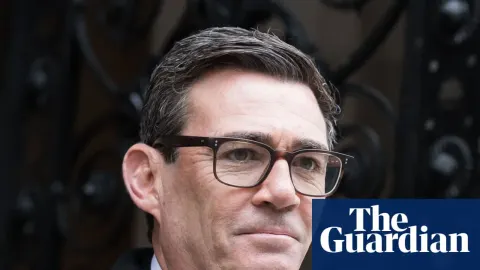
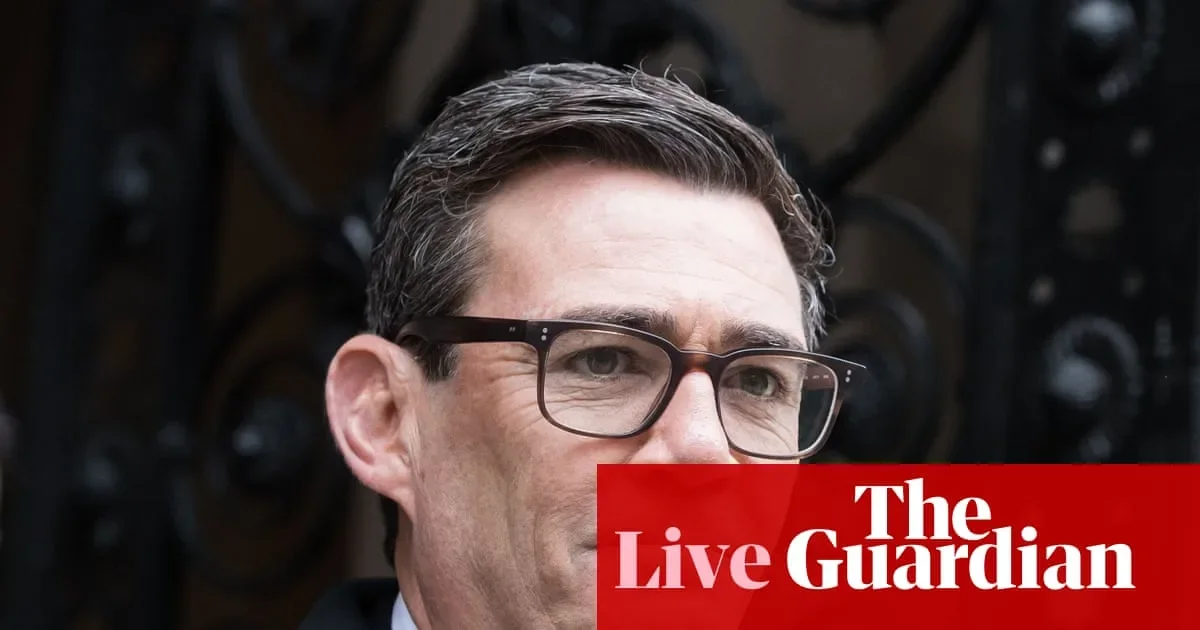
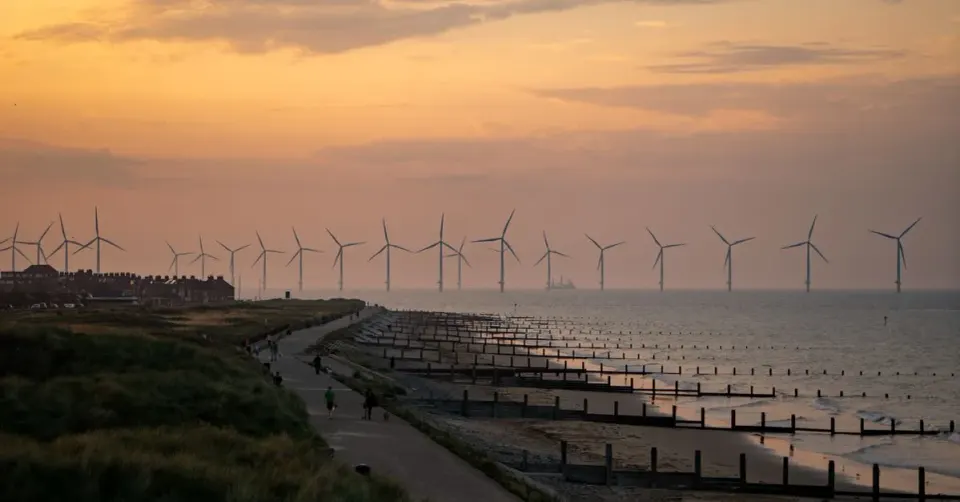
In a move that signals a decisive pivot away from traditional fossil fuel reliance, British politicians have hailed a record-breaking £12 billion investment in offshore wind projects. Andy Burnham and other key figures highlighted the approval of two massive windfarms off the Norfolk coast, funded by German energy giant RWE and US private equity firm KKR. This development is not merely a domestic victory for the UK; it represents a broader structural shift in the European energy market as nations race to secure 'power under domestic control.' By building out this infrastructure, the UK aims to insulate itself from the price volatility often associated with Middle Eastern energy supplies and the geopolitical risks of the North Sea gas fields.
For global markets and Iranian observers, this transition is a clear indicator of the long-term trajectory for oil-dependent economies. As Western nations invest heavily in renewable grids, the strategic leverage of oil-producing states is gradually being diluted. The prime minister is expected to carry this momentum into the COP31 climate summit in Turkey, positioning the UK as a leader in green finance. This massive capital injection also serves as a stabilizing force for the British Pound, providing a counter-narrative to recent concerns over domestic industrial policy and electric vehicle targets.
---
Economic Warfare Escalates: US Treasury Chief Under Guard
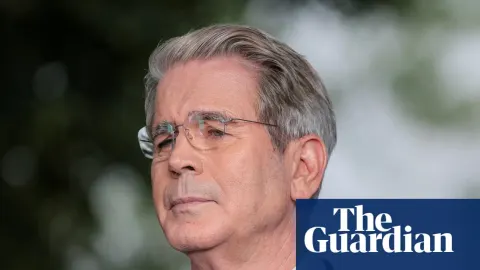
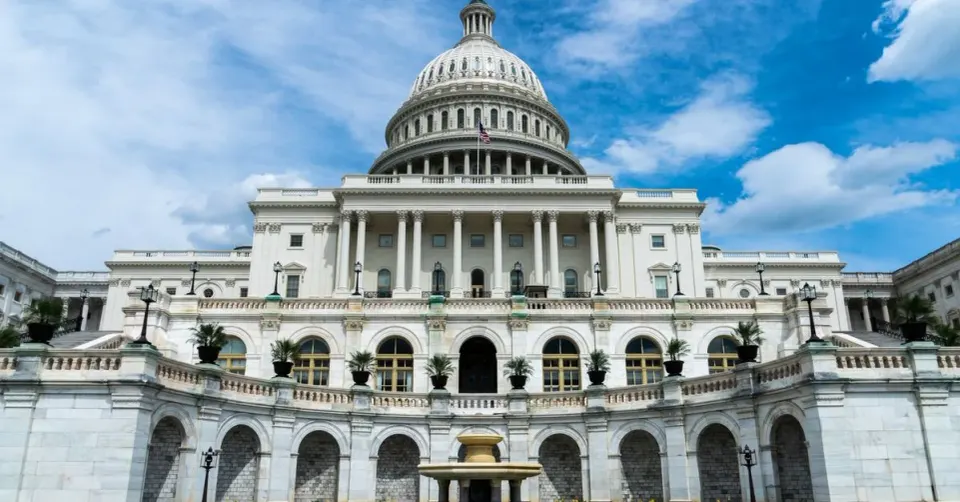
In a stark escalation of the shadow conflict between Washington and Tehran, US Treasury Secretary Scott Bessent has reportedly relocated his primary residence to a military base. This move follows what intelligence officials describe as credible threats against his life, linked to his role as the architect of the current administration's 'economic asphyxiation' strategy. Bessent has been the driving force behind a new, more aggressive web of sanctions designed to cripple the Iranian financial system and halt oil exports entirely. The relocation underscores the personal risks faced by officials executing high-stakes financial diplomacy and suggests that the pressure campaign is reaching a critical inflection point.
This development has immediate psychological impacts on the currency markets. When the primary enforcer of sanctions is forced into hiding, it signals to the market that the confrontation is entering a more volatile phase. In Tehran, the USD rose from 258,000 to 261,800 Toman (+1.5%) over the last 24 hours, partly reflecting the growing anxiety over renewed US pressure. The 'asphyxiation' policy is not just about numbers on a spreadsheet; it is a total-war approach to finance that seeks to isolate the Iranian economy from global banking networks, and the current security measures suggest Washington has no intention of easing this grip.
---
Regional Instability: Lebanon’s Catastrophe and Market Reactions
While the US and UK focus on energy and sanctions, Lebanon is facing what experts call an economic 'catastrophe.' A combination of years of systemic mismanagement and the spillover effects of the ongoing conflict between Hezbollah and Israel has pushed the Lebanese economy to the breaking point. The cost of living has soared to levels that have driven a significant portion of the population into poverty, with essential services like electricity and clean water becoming luxuries. This regional instability acts as a drag on Middle Eastern markets, complicating trade routes and increasing the risk premium for any investment in the Levant.
Domestically, the Iranian market remains sensitive to these regional tremors. The Emami coin rose from 254,000,000 to 255,500,000 Toman (+0.6%), as investors continue to seek refuge in gold amid the chaos. While gold 18k remained flat at 25,762,962 Toman per gram, the demand for minted coins suggests a preference for liquid, portable assets. In the crypto space, Bitcoin has slipped slightly below the $74,000 mark, currently trading at $73,883, as hot US inflation data (CPI) spurs bets that the Federal Reserve may keep interest rates higher for longer, dampening the appetite for riskier digital assets.

---
Cultural Geopolitics: A Stolen Legacy Returns to France
In a rare piece of positive news amidst the geopolitical tension, the Orléans Fine Arts Museum in France has successfully recovered a painting looted during World War II. The recovery was the result of a unique 'Wanted' poster campaign that leveraged public help to track down hundreds of works stolen during the Nazi occupation. This event highlights the growing power of public transparency and digital archives in resolving decades-old international disputes over cultural property. It serves as a reminder that even in times of intense modern conflict, the mechanisms of international law and cultural heritage remain active.
For the broader world, this story emphasizes the importance of provenance and the ethical responsibilities of museums and private collectors. As global standards for asset tracking improve—whether in the world of fine art or digital finance—the ability to hide 'looted' or illicitly obtained assets is shrinking. This trend toward transparency is mirrored in the financial world by the increasing sophistication of blockchain monitoring and international banking oversight, making it harder for sanctioned entities or criminal organizations to move value across borders without detection.
Frequently Asked Questions
Why did Scott Bessent move to a military base?
How does the UK's £12bn wind investment affect global oil prices?
What is driving the 1.5% increase in the USD/IRR rate today?
Why is Lebanon's economic situation described as a 'catastrophe'?
Understanding Economic Sanctions
Economic sanctions are non-military measures imposed by one or more countries, or international bodies, on another country to achieve specific foreign policy objectives. These objectives can range from compelling a regime to change its behavior (e.g., regarding human rights, nuclear proliferation, or support for terrorism) to destabilizing its economy. Unlike military intervention, sanctions aim to exert pressure through financial and trade restrictions, making it difficult for the target country to access global markets, finance, and technology.
Sanctions come in various forms, including trade embargoes, asset freezes, travel bans, and financial restrictions. Financial sanctions, in particular, can be potent, cutting off a country's access to international banking systems, such as SWIFT, or limiting its ability to conduct transactions in major global currencies like the U.S. dollar. This often involves targeting specific sectors of an economy, key individuals, or state-owned enterprises, rather than imposing a blanket ban on all trade, to minimize harm to innocent civilians while maximizing pressure on the regime.
The impact of economic sanctions on a targeted nation can be profound. They often lead to significant currency depreciation, as seen with the Iranian Rial/Toman, hyperinflation, reduced foreign investment, and a general decline in living standards for its citizens. Faced with such restrictions, countries might seek alternative financial avenues, including black markets or the adoption of cryptocurrencies like Bitcoin, to facilitate trade and bypass conventional financial systems. These measures can create complex challenges for both the enforcing nations and the targeted economies.
The enforcement of economic sanctions is a complex undertaking, often spearheaded by entities like the U.S. Treasury Department's Office of Foreign Assets Control (OFAC). While proponents argue that sanctions are a crucial tool for promoting international peace and security, critics often point to their potential for unintended humanitarian consequences, their limited effectiveness in achieving long-term policy goals, and their capacity to inadvertently strengthen authoritarian regimes by fostering economic isolation and self-reliance. The debate over their efficacy and ethical implications continues to be a central theme in international relations.
Topics
Related Articles