Tehran Warns of 'War Crimes' as Security Council Threatens US Bases; Toman Holds Steady at 264,200
هشدار تهران درباره «جنایات جنگی» و تهدید پایگاههای آمریکا؛ دلار در مرز ۲۶۴ هزار تومان آرام گرفت
Iran's Foreign Ministry has dismissed international pressure as 'media frenzy' while the SNSC warns that U.S. bases as far as Europe are now legitimate targets. Amid a deadly strike on a Gaza hospital and a critical incident in Sydney, the Iranian Toman remains stable at 264,200.
At time of publishing
USD
264,200
Toman
Gold 18K
25.76M
Toman / gram
Bitcoin
$73,557
US Dollar
Tether
264,027
Toman
Tehran Dismisses 'Media Frenzy' Amid War Crime Allegations
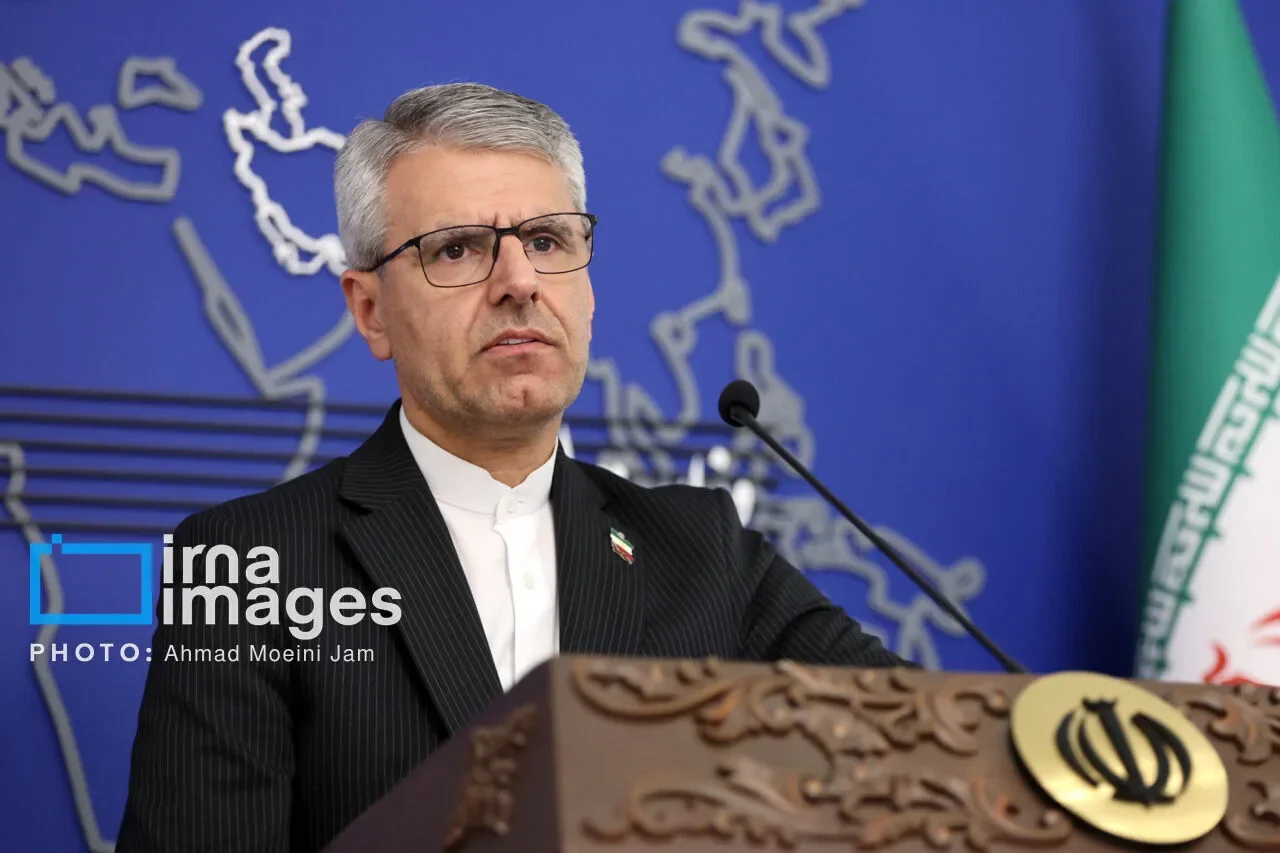
In a sharp diplomatic rebuttal, Iranian Foreign Ministry spokesperson Esmaeil Baqaei stated on Thursday that no amount of "media frenzy" could obscure the identity of those responsible for what he termed war crimes and terrorism against Iran. Baqaei’s comments come at a time of heightened international scrutiny and a flurry of reports regarding Iran’s regional activities. By framing the current narrative as a coordinated media campaign, the Ministry is attempting to solidify its domestic stance and signal to international observers that Tehran will not be swayed by public pressure or external accusations.
This rhetoric is significant because it suggests a hardening of Iran's diplomatic shell. Rather than engaging with specific allegations, the focus has shifted toward the "identity" of the accusers, a common tactic used to deflect criticism toward the geopolitical interests of Western powers. For the average Iranian reader, this translates to a continued stalemate in international relations, which often precedes further economic sanctions or a lack of progress in frozen asset negotiations. As the diplomatic war of words intensifies, the direct impact on market confidence remains a primary concern for those watching the Toman's stability.
Security Council Warns of Expanding Target List to Europe
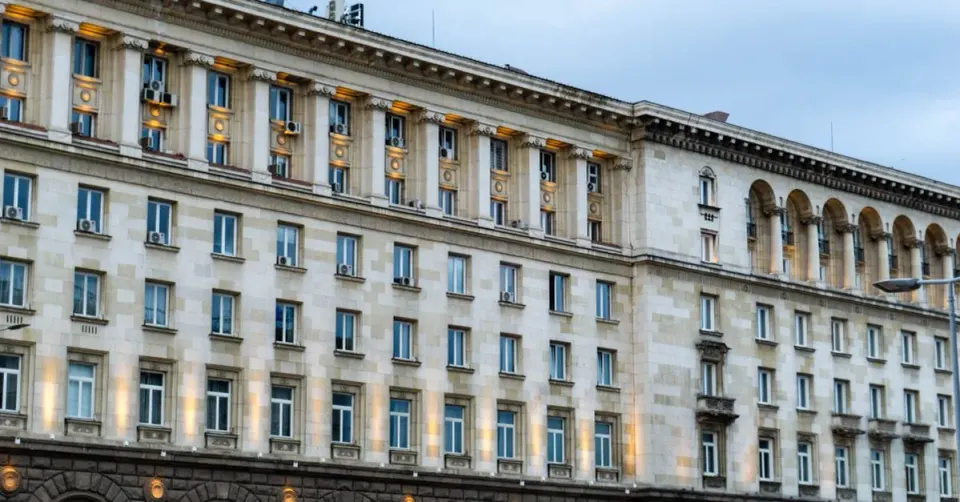
Adding a more aggressive layer to Iran’s current stance, Major General Mohsen Rezaei, Secretary of the Supreme National Security Council, issued a sweeping warning on Thursday. Rezaei claimed that all U.S. military bases, spanning from West Asia to Europe, would become "legitimate targets" for Iranian retaliation if Washington were to launch any aggression against the country. This expansion of the perceived target zone to include European-based U.S. assets marks a notable escalation in deterrent rhetoric, moving beyond the traditional focus on the immediate Persian Gulf and Middle Eastern theaters.
---
Gaza Hospital Strike Deepens Regional Crisis
The humanitarian situation in Gaza took another devastating turn as a strike hit the surgery department of Nasser Hospital in Khan Younis. According to local rescuers and health officials, the attack killed at least six people, including a surgeon and a disabled patient, while injuring 20 others. The Israeli military stated that the operation was a targeted strike against a "senior Hamas terrorist" allegedly operating within the facility. However, the destruction of critical medical infrastructure continues to fuel international condemnation and raises the risk of a wider regional spillover that could involve other actors in the 'Axis of Resistance.'
For global markets, the persistence of high-intensity conflict in Gaza maintains a permanent "risk premium" on oil and regional currencies. Every strike on civilian or medical infrastructure increases the likelihood of a diplomatic breakdown, making any potential peace talks—which Iran’s chief negotiator recently said the "ball is in the US court" for—seem increasingly distant. This environment of perpetual uncertainty is why the Iranian Toman, despite its current stability, remains highly sensitive to any news of escalation that might draw Iran closer to a direct military confrontation.
Global Incidents: From Sydney Tracks to Australian Courts
Beyond the geopolitical arena, several high-profile incidents have captured global attention this Thursday. In Sydney, a 17-year-old boy remains in critical condition after a suspected "train surfing" incident on the iconic Sydney Harbour Bridge. The teenager suffered severe injuries to his head, chest, and pelvis after falling from a northbound Tangara train. Authorities have used the tragedy to issue a stern warning against the growing trend of dangerous stunts on public transport, emphasizing that a 400-tonne train is not a plaything. This incident has caused significant disruptions to the Sydney rail network, highlighting the fragility of urban infrastructure when faced with public safety crises.
Meanwhile, in an Australian courtroom, the trial of former police officer Beau Lamarre-Condon took a bizarre turn. Lamarre-Condon, accused of high-profile murders, claimed he was diagnosed with cancer by a naturopath whose name and location he could not recall. The defendant's testimony, which included claims that the naturopath's office had been "cleared out," was met with skepticism by prosecutors. These stories, while geographically distant from Tehran, contribute to a global sense of instability and social friction that mirrors the broader political tensions seen in the Middle East, reminding readers that domestic crises and human tragedies are unfolding alongside the macro-political shifts.
Market Snapshot: Toman Holds the Line as Gold Inches Up
As of 10:00 AM Tehran time on Thursday, November 12, 2026 (21 Aban 1405), the Iranian currency market is exhibiting a rare moment of stillness. The USD sell rate is holding firm at 264,200 Toman, showing 0.0% change over the last 24 hours. This stability suggests that the market has already priced in the current level of regional tension, or perhaps that traders are awaiting a more definitive signal from the ongoing diplomatic exchanges. However, the Emami gold coin saw a slight uptick, moving from 255,000,000 to 256,000,000 Toman (+0.4%), reflecting a minor shift toward safe-haven assets among domestic investors.
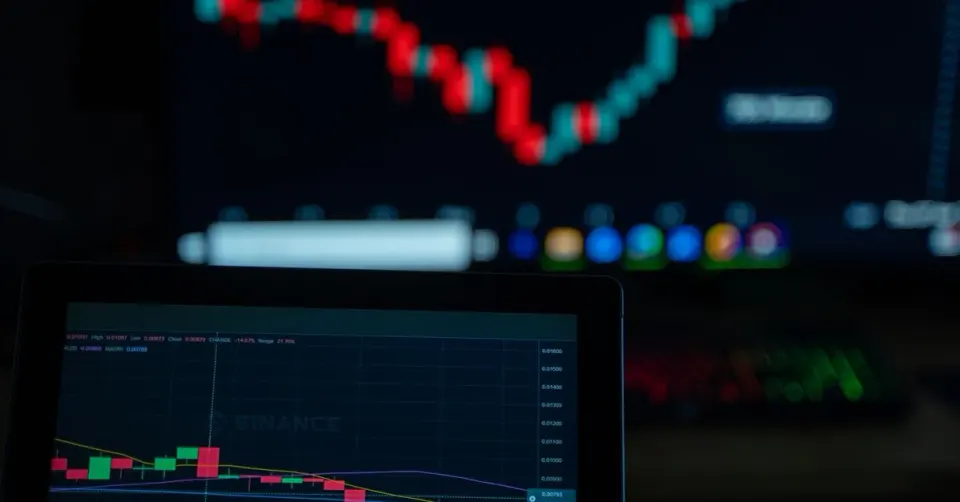
In the cryptocurrency world, Bitcoin is currently trading at $73,557, hovering near its recent highs but facing resistance as some traders raise the odds of a "sub-$70,000 Christmas." The crypto market is also reacting to news out of South Korea, where authorities will now permit the freezing of crypto withdrawals during hacking threats to prevent mass losses. For Iranian investors, who often use Tether (USDT) as a bridge to global markets, the USDT price in Toman mirrors the stable dollar at 264,027, providing a consistent, albeit expensive, entry point for those looking to diversify away from the local currency amid the current geopolitical storm.
Frequently Asked Questions
Why is the USD price stable despite the aggressive rhetoric from Iranian officials?
What caused the 0.4% increase in the Emami gold coin?
Is Bitcoin likely to drop below $70,000 soon?
Understanding Iran’s Currency Peg and Black‑Market Exchange Rates
Iran’s official exchange rate for the US dollar is set by the Central Bank of the Islamic Republic of Iran (CBI) through a managed float that often resembles a currency peg. In a peg, the authorities commit to buying and selling foreign currency at a predetermined rate, using foreign reserves to keep the market price close to the official figure. This is why the headline cites the Toman holding steady around 264,200 IRR per USD – the CBI is actively intervening to prevent large swings that could destabilise the economy.
However, because sanctions limit Iran’s access to hard currency and the official rate often diverges from market realities, a parallel or black‑market rate emerges. Traders, importers, and ordinary citizens turn to unofficial channels where the dollar can fetch a much higher price, sometimes exceeding 300,000 IRR. The gap between the official and black‑market rates reflects the scarcity of foreign reserves, the impact of sanctions on trade, and expectations about future inflation. Understanding this dual‑rate system is essential for interpreting price signals such as the Emami gold‑coin price or Bitcoin valuations in local terms.
The mechanics of a currency peg involve the central bank standing ready to buy foreign currency at the peg level, which can drain reserves if demand for the foreign currency is sustained. When reserves run low, the peg becomes vulnerable, leading to a sudden devaluation or a shift to a more flexible exchange‑rate regime. Iran has oscillated between strict peg, multiple official rates, and a more market‑determined system over the past decades, each shift accompanied by sharp economic adjustments.
For investors and analysts, the key takeaway is that the official rate is a policy tool, while the black‑market rate captures the true supply‑and‑demand balance under sanctions. Monitoring both rates provides a clearer picture of inflation pressures, purchasing power, and the feasibility of cross‑border transactions such as cryptocurrency trades, which often use the black‑market rate to calculate local value.
Topics
Related Articles