IRGC Defies Sanctions on Missile Growth; Oil Prices Soften Amid Fragile Peace Hopes and ASEAN Hedging
تأکید فرمانده کل سپاه بر تداوم برنامه موشکی؛ ریزش قیمت نفت در سایه خوشبینی به صلح و ذخایر اضطراری آسیا
IRGC Commander-in-Chief Major General Vahidi asserts that missile development remains unstoppable despite international pressure. Meanwhile, global oil prices dip on peace optimism, even as ASEAN nations move to build emergency reserves against potential supply shocks.
At time of publishing
USD
264,200
Toman
Gold 18K
25.76M
Toman / gram
Bitcoin
$73,434
US Dollar
Tether
264,027
Toman
IRGC Commander Asserts Missile Independence Amid Sanctions
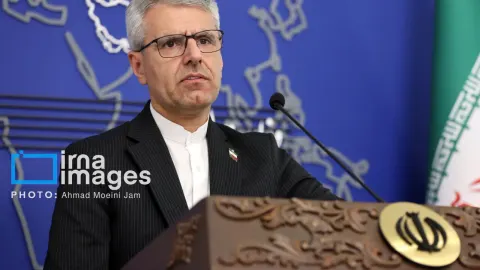
In a defiant address on Thursday, November 12, 2026, the Commander-in-Chief of the Islamic Revolution Guards Corps (IRGC), Major General Ahmad Vahidi, declared that Iran’s missile development program remains immune to external threats and international sanctions. Speaking at a commemorative event for the late missile pioneer Hassan Tehrani Moghaddam, Vahidi emphasized that the path of strengthening Iran’s military deterrent is a sovereign priority that will not be halted by diplomatic or economic pressure. This rhetoric comes at a time of heightened regional scrutiny, as Western powers continue to monitor Tehran’s technical advancements in long-range ballistic capabilities.
The IRGC chief’s statements serve as a clear signal to both domestic and international audiences that the military establishment remains committed to its strategic doctrine, regardless of ongoing negotiations or shifting geopolitical alliances. By invoking the legacy of Tehrani Moghaddam, Vahidi is reinforcing a narrative of self-sufficiency and technological resilience. For the average Iranian citizen, this stance often translates into a complex economic reality; while military officials tout security through strength, the persistent threat of further sanctions continues to weigh heavily on the long-term stability of the Toman and the broader national economy.
Global Oil Markets Soften on Peace Optimism and ASEAN Strategy
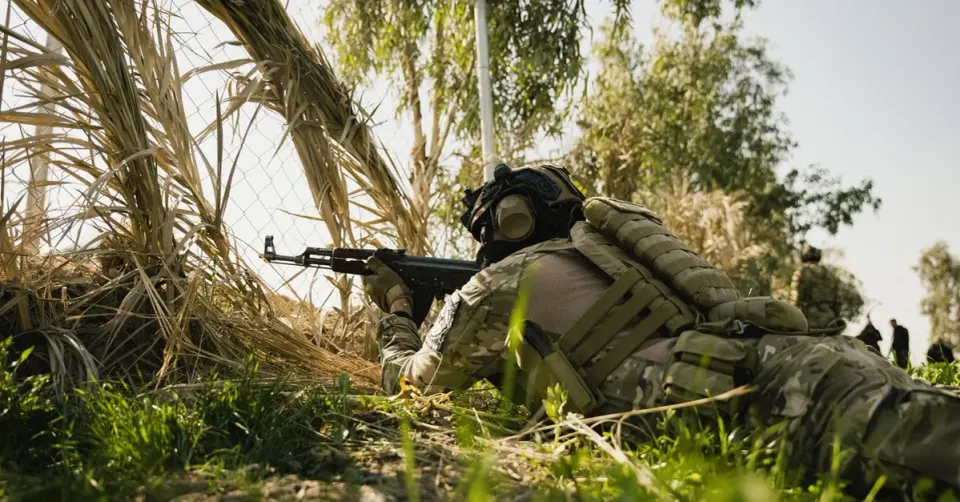
Global energy markets witnessed a notable shift this morning as crude oil prices extended their decline. Brent crude was trading at $91.32 per barrel, while West Texas Intermediate (WTI) fell to $85.32 per barrel. This downward movement is largely attributed to growing, albeit fragile, optimism regarding potential peace breakthroughs in both the Ukraine conflict and the ongoing tensions involving Iran. Negotiators have reportedly made incremental progress in recent meetings, leading traders to price in a reduction in the "geopolitical risk premium" that has kept prices elevated for months.
However, the narrative of peace is being met with pragmatic caution by regional neighbors. The Association of Southeast Asian Nations (ASEAN) has officially moved to establish a joint crude oil stockpiling scheme. This initiative, involving major storage hubs in Indonesia and Thailand, is a direct response to the supply disruptions caused by the protracted crisis in Iran. By creating a "ticket system" for emergency withdrawals, ASEAN members are effectively hedging against the risk that current peace hopes may be premature. This duality—short-term price drops vs. long-term emergency planning—suggests that while the market is hopeful, the underlying infrastructure of global energy remains on high alert.
Nvidia Leadership Crisis Shakes the AI Ecosystem
The technology sector is currently reeling from reports that the board of Nvidia, the world’s most valuable chipmaker, is considering the ouster of its iconic CEO, Jensen Huang. The crisis stems from Huang’s admission of a romantic relationship with Alice Huang, a Shanghai-based executive who US intelligence agencies allege is an asset for Chinese intelligence. The scandal has sent shockwaves through Silicon Valley, raising fundamental questions about the security of the AI supply chain and the potential for corporate espionage at the highest levels of American industry.
Nvidia’s stock has already felt the impact, sliding significantly in after-hours trading as investors weigh the possibility of a leadership vacuum. Jensen Huang has been the primary architect of the current AI boom, and his departure could jeopardize critical supply chain deals and strategic partnerships. For global markets, this is more than a tabloid scandal; it represents a systemic risk to the technology sector’s growth projections. If the board decides to remove Huang, it could trigger a broader reassessment of AI valuations and a tightening of security protocols across all major tech firms dealing with sensitive dual-use technologies.
Market Update: Toman Stability and Crypto Volatility
On the domestic front, the Iranian Toman has shown remarkable stability during the morning sessions of Thursday, November 21, 1405. The USD sell rate is currently holding steady at 264,200 Toman, showing no change (0.0%) over the last 24 hours. While the currency remains flat, the gold market saw minor movements, with the Emami coin rising 0.2% to reach 255,500,000 Toman. This relative calm in the foreign exchange market suggests that local traders are in a "wait and see" mode, perhaps anticipating the outcomes of the regional diplomatic maneuvers mentioned in earlier reports.
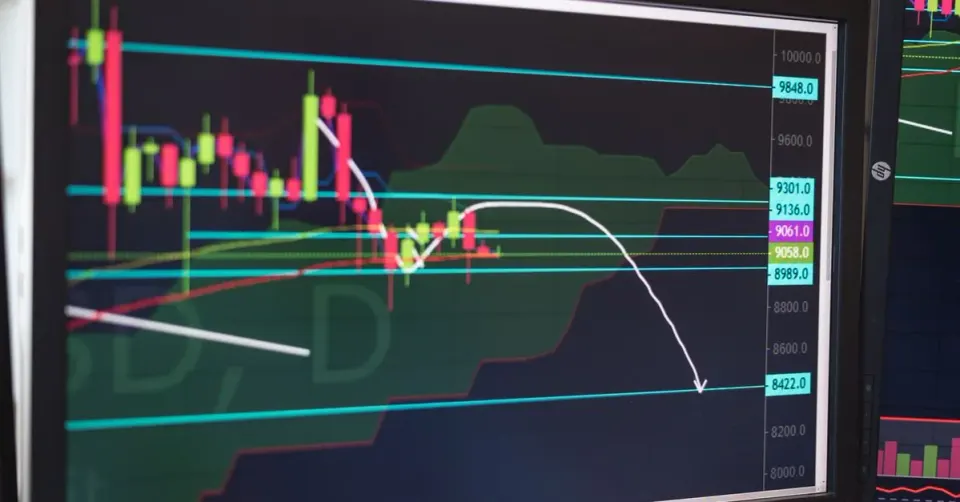
In the cryptocurrency space, Bitcoin (BTC) has slipped to $73,434, influenced by broader market shifts including the removal of MicroStrategy from certain MSCI indices. This technical adjustment has caused a ripple effect among institutional investors, leading to a slight pullback from the recent highs. Meanwhile, the Ethereum community is debating a proposal from Ethlabs to accelerate post-quantum cryptographic upgrades by 2027. This move is seen as a proactive defense against the rapid advancement of AI-driven hacking capabilities, ensuring that the blockchain remains resilient in an increasingly automated threat landscape.
Frequently Asked Questions
چرا قیمت نفت با وجود تنشها کاهش یافته است؟
تأثیر برکناری احتمالی مدیرعامل انویدیا بر بازار چیست؟
طرح جدید کشورهای آسیایی (ASEAN) برای ذخیره نفت چیست؟
Understanding Secondary Sanctions: How They Target Iran’s Missile and Oil Sectors
Secondary sanctions are punitive measures imposed by a country—most often the United States—against non‑U.S. entities that engage in prohibited activities with a sanctioned target. Unlike primary sanctions, which directly forbid U.S. persons and companies from dealing with the listed target, secondary sanctions extend the reach of the embargo by threatening to cut off foreign firms from the U.S. financial system if they continue the disallowed trade. This tool allows sanctioning powers to pressure third‑party countries and corporations to comply without having direct jurisdiction over them.
In the case of Iran, the U.S. Treasury’s Office of Foreign Assets Control (OFAC) has used secondary sanctions to choke off the Islamic Revolutionary Guard Corps (IRGC) missile program. Companies that supply dual‑use technologies—such as precision machining tools, electronics, or aerospace components—to IRGC‑controlled entities can be designated for sanctions, freezing any assets they hold in U.S. banks and barring them from U.S. markets. The threat of being cut off from the world’s largest financial hub forces many European, Asian, and Middle‑Eastern firms to either halt shipments or risk severe penalties.
The ripple effects are felt in global oil markets as well. Iran’s ability to export crude and refined products is curtailed not only by primary sanctions on its oil sector but also by secondary measures that deter buyers, insurers, and shipping companies from handling Iranian cargo. When the risk premium drops—because fewer parties are willing to engage—the price of oil can soften, as seen in the November 2026 dip. ASEAN member states, which maintain strategic petroleum reserves to buffer regional supply shocks, closely monitor such developments and often hedge their exposure through futures contracts and diversified import sources.
Critics argue that secondary sanctions can undermine multilateral trade norms and push sanctioned countries toward illicit networks, fostering a shadow economy. Iran, for instance, has pursued evasion tactics ranging from ship‑to‑ship transfers in the Gulf of Oman to the use of front companies in third countries. Understanding how secondary sanctions operate helps investors, policymakers, and the public gauge the broader geopolitical stakes and anticipate how future diplomatic moves—such as renewed negotiations on Iran’s missile activities—might reshape both regional security and energy prices.
Topics
Related Articles